
The History and Evolution of Pilates Equipment
In the early 20th century, Joseph Pilates began to develop his unique system of physical fitness, integrating elements of yoga, martial arts, and rehabilitation techniques. He crafted specialized equipment designed to enhance strength, flexibility, and posture. One of the pioneering apparatuses he created was the Reformer, a spring-based machine that allowed individuals to perform a variety of exercises with controlled resistance. Pilates’ original apparatus laid the foundation for modern Pilates equipment, which would continue to evolve, embracing innovative designs and materials. As the demand for Pilates grew, so too did the need for new equipment options to accommodate diverse training methods and personal preferences. This led to the creation of various machines, each tailored to target specific muscle groups and movement patterns. Over the decades, the principles of Pilates – concentration, control, centering, precision, breath, and flow – remained integral to the design of each new piece of equipment. As Pilates transitioned from a niche practice to a mainstream fitness phenomenon, manufacturers began producing equipment catering to both studios and at-home users, further popularizing the practice and its benefits.
Key Early Equipment Innovations
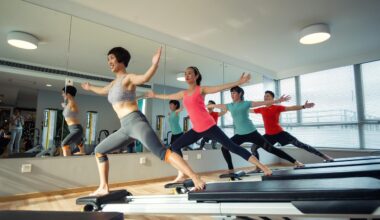
The early innovations in Pilates equipment were primarily focused on creating tools that mirrored Joseph Pilates’ vision of mindful movement. After the Reformer, another essential piece of equipment developed was the Cadillac, also known as the Trapeze Table. This versatile apparatus featured a flat bed with vertical posts and a variety of attachments, enabling practitioners to perform numerous exercises for strength and flexibility. The Cadillac allowed for extensive modifications, catering to varying skill levels, thus making it a staple in many studios. Additionally, the Wunda Chair emerged as a compact addition to the arsenal of Pilates equipment. It was designed for both strength training and rehabilitation purposes, allowing users to perform high- and low-resistant workouts within a small footprint. Other essential pieces, like the Ladder Barrel and Spine Corrector, were designed to support spinal alignment and improve flexibility. These early innovations not only expanded the range of exercises available to practitioners but also contributed significantly to the rehabilitation of individuals recovering from injuries. With each innovation, the Pilates method became more accessible and effective at addressing individual fitness goals.
As the Pilates method gained popularity, professionals began to experiment with materials and technologies to enhance the equipment. Initially crafted from wood and metal, modern Pilates apparatus are now often made with lightweight, durable materials like aluminum and high-grade fabrics. This evolution in materials has made it possible for manufacturers to develop more ergonomic designs, enhancing comfort and usability for a wider audience. In addition, with the rise of global awareness of fitness and wellness, the demand for Pilates equipment surged exponentially, causing a higher level of competition among manufacturers. Innovations in spring technology and adjustability allowed for more customized resistance levels, giving users the ability to tailor their workouts. Moreover, the incorporation of aesthetics in design transformed the appearance of Pilates equipment, making it visually appealing and easier to integrate into home environments. Successful equipment design now attunes not only to the functional training needs but also to the consumer’s preference for style and elegance. Consequently, Pilates equipment has become not only a tool for physical wellness but also a statement piece in modern fitness studios and homes.
Modern Adaptations and Trends
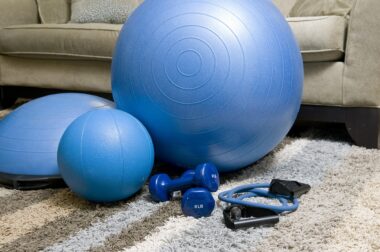
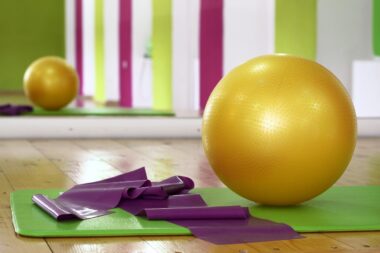
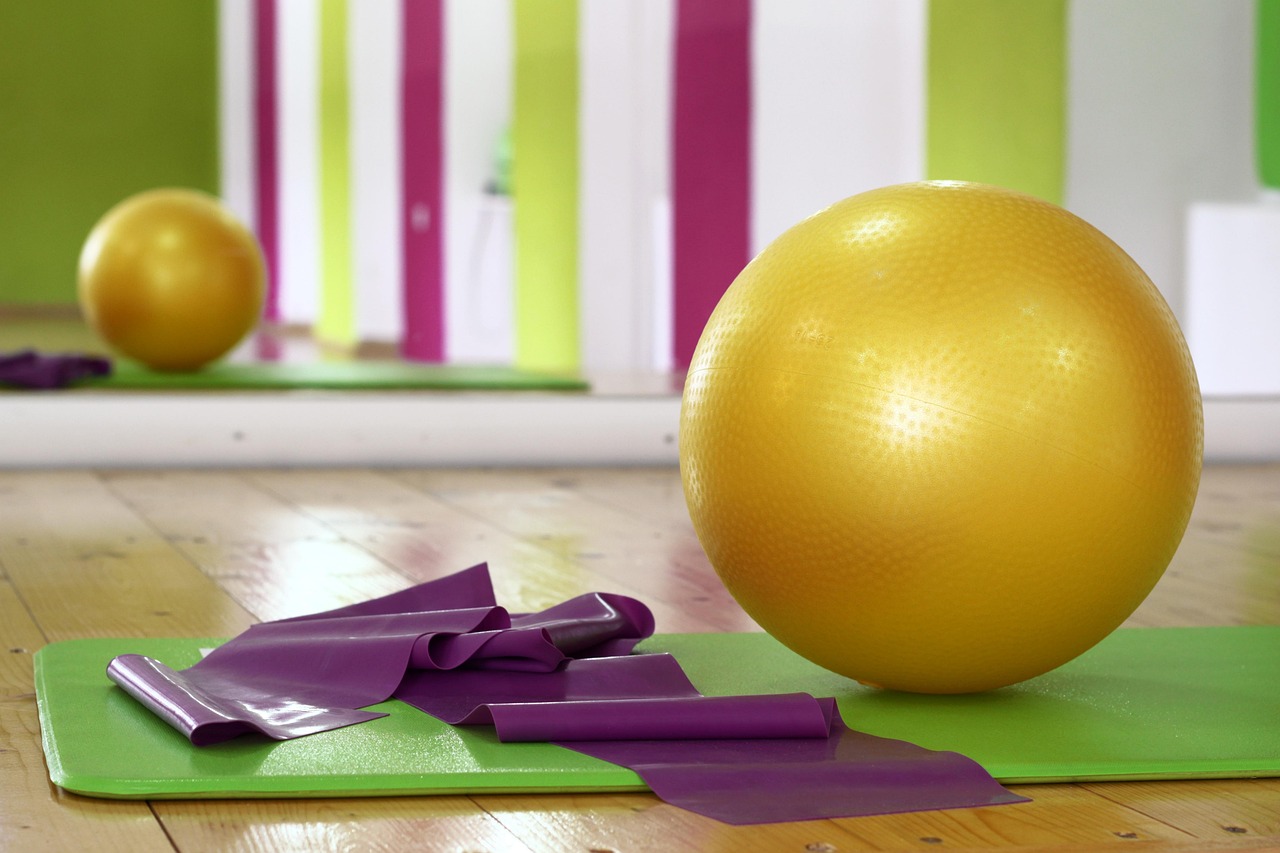
In recent years, Pilates equipment has seen significant adaptations, reflecting the ongoing evolution of fitness trends. The introduction of hybrid equipment that combines various training modalities has gained traction. For instance, the reformer now often includes additional features allowing for resistance training, circuit training, and even cardio workouts. This multifaceted approach caters to diverse fitness enthusiasts seeking efficient and effective ways to engage multiple muscle groups. Furthermore, small props such as resistance bands, fitness balls, and foam rollers have also entered the Pilates scene, allowing for multiple dimension training within traditional routines. These modifications make Pilates more adaptable, promoting inclusion for all abilities and expanding its reach. Streaming services and online classes have also popularized Pilates equipment, as individuals seek convenience and flexibility in their workout routines. This has led to the rise of creating compact, multifunctional equipment tailored for home use, allowing users to experience the benefits of Pilates without the need for expansive studios or premium memberships. In this modern age of convenience and efficiency, the Pilates landscape continues to thrive as it embraces innovation without compromising its core principles.
The global pandemic that began in 2020 greatly impacted the Pilates industry, forcing many studios to pivot to online classes. As a result, demand for home-compatible Pilates equipment skyrocketed. Consumers sought compact, affordable options, sparking a surge in the production and sale of portable reformers, resistance bands, and other equipment conducive to at-home training. Pilates equipment manufacturers responded quickly to meet these needs, leading to innovative designs that allowed for a full body workout in limited spaces. Increasingly, the use of technology in Pilates is becoming commonplace. Many contemporary reformers now include built-in screens for guided workouts, enhancing user experience and engagement. With a focus on digital fitness, instructors began offering virtual sessions incorporating various equipment, enabling participants to retain the benefits of guided classes. This significant shift in how Pilates is delivered represents just another chapter in its ongoing evolution, making Pilates accessible regardless of geographical constraints. As trends continue to merge with technological advancements, Pilates equipment will undoubtedly further adapt to meet contemporary needs, ensuring its relevance for future generations of fitness enthusiasts, practitioners, and instructors alike.
The Future of Pilates Equipment
Looking ahead, the future of Pilates equipment is poised for further innovation, influenced by a blend of technology, personalization, and a growing understanding of fitness science. Manufacturers are likely to explore the integration of smart technologies, enabling users to track their workouts, monitor performance, and receive real-time feedback on their progress. Such advancements could enhance the effectiveness of home workouts, catering to individuals’ unique goals, from rehabilitation to performance improvement. Additionally, sustainability is becoming an increasingly significant factor in equipment production. Eco-friendly materials and energy-efficient manufacturing processes are trends that are likely to shape future product ranges. As awareness regarding environmental issues grows, consumers are expected to prioritize products that reflect their values, demanding transparency in sourcing and construction. Furthermore, the democratization of accessibility in fitness cannot be understated. Continued efforts to enhance Pilates equipment for use by people of varying abilities will likely enhance its inclusivity, ensuring that everyone can benefit from the practice. The evolving landscape of Pilates equipment will continue to mirror societal changes, making mindfulness and fitness an integral part of life for a broader audience.
In conclusion, the journey of Pilates equipment reflects not only the evolution of Joseph Pilates’ original vision but also the wider shifts within the fitness industry over the decades. The early apparatus designed by Pilates laid the groundwork for a rich tapestry of innovative equipment catering to various needs, promoting strength, flexibility, and well-being for practitioners. As the evolution unfolds, the advancements in technology, aesthetics, and material utilization are transforming how Pilates is practiced today. The incorporation of modern trends such as hybrid training and online accessibility further underscores the adaptability of Pilates equipment to meet diverse demands. This journey, filled with ingenuity and creativity, illustrates how Pilates is not merely a method of exercise but an evolving philosophy encompassing physical health and mind-body connection. As we move forward, Pilates will undoubtedly continue to grow in popularity, solidified by ever-evolving equipment suited for practitioners worldwide. With its commitment to inclusivity and progress, the future of Pilates looks brighter than ever. This enduring legacy is a testament to the power of thoughtful design in enhancing physical well-being and shaping healthier lifestyles.
,