
The Importance of Warm-Ups and Cool-Downs in Virtual Personal Training
In the realm of virtual personal training, the significance of warm-ups and cool-downs cannot be overstated. These practices prepare both your body and mind for exercise, reducing the risk of injury and enhancing performance. A proper warm-up increases blood flow to the muscles, making them more pliable and ready for intense activity. It involves dynamic stretches and movements that raise your heart rate and improve flexibility. Engaging in a warm-up routine allows individuals to mentally transition into workout mode, setting the tone for an effective session. During virtual training, personal trainers can guide clients through tailored warm-up exercises suited to their fitness levels. Additionally, cool-downs are equally essential for recovery. After a virtual workout, taking the time to cool down helps the heart rate gradually return to normal, promoting relaxation. Stretching during the cool-down phase can alleviate muscle tightness and improve overall flexibility. Notably, integrating warm-ups and cool-downs into virtual training sessions fosters better long-term results and builds an enduring fitness habit. Those engaging in regular exercise must prioritize these elements for a balanced workout experience and optimal training outcomes.
Furthermore, incorporating warm-ups and cool-downs into virtual personal training sessions supports mental well-being. Physical activity can trigger various emotions ranging from excitement to frustration. Having a structured warm-up allows clients to ease into their sessions, cultivating a positive mindset. This mental preparation can significantly influence overall workout motivation and consistency. With the added challenges of virtual training, establishing a consistent routine can make all the difference. Trainers can be instrumental in this process by emphasizing the mental and physical benefits of proper warm-ups. For participants, understanding these components fosters a more profound respect for their physical limitations and encourages progression at a safe pace. The time spent warming up and cooling down reinforces the necessity of self-care routines within fitness practices. Clients often overlook these crucial aspects, treating them as optional. However, recognizing them as vital components can encourage adherence to fitness plans and long-term success. In summary, prioritizing warm-ups and cool-downs in virtual personal training sessions represents a commitment to a holistic approach towards health and fitness that is both effective and rewarding.
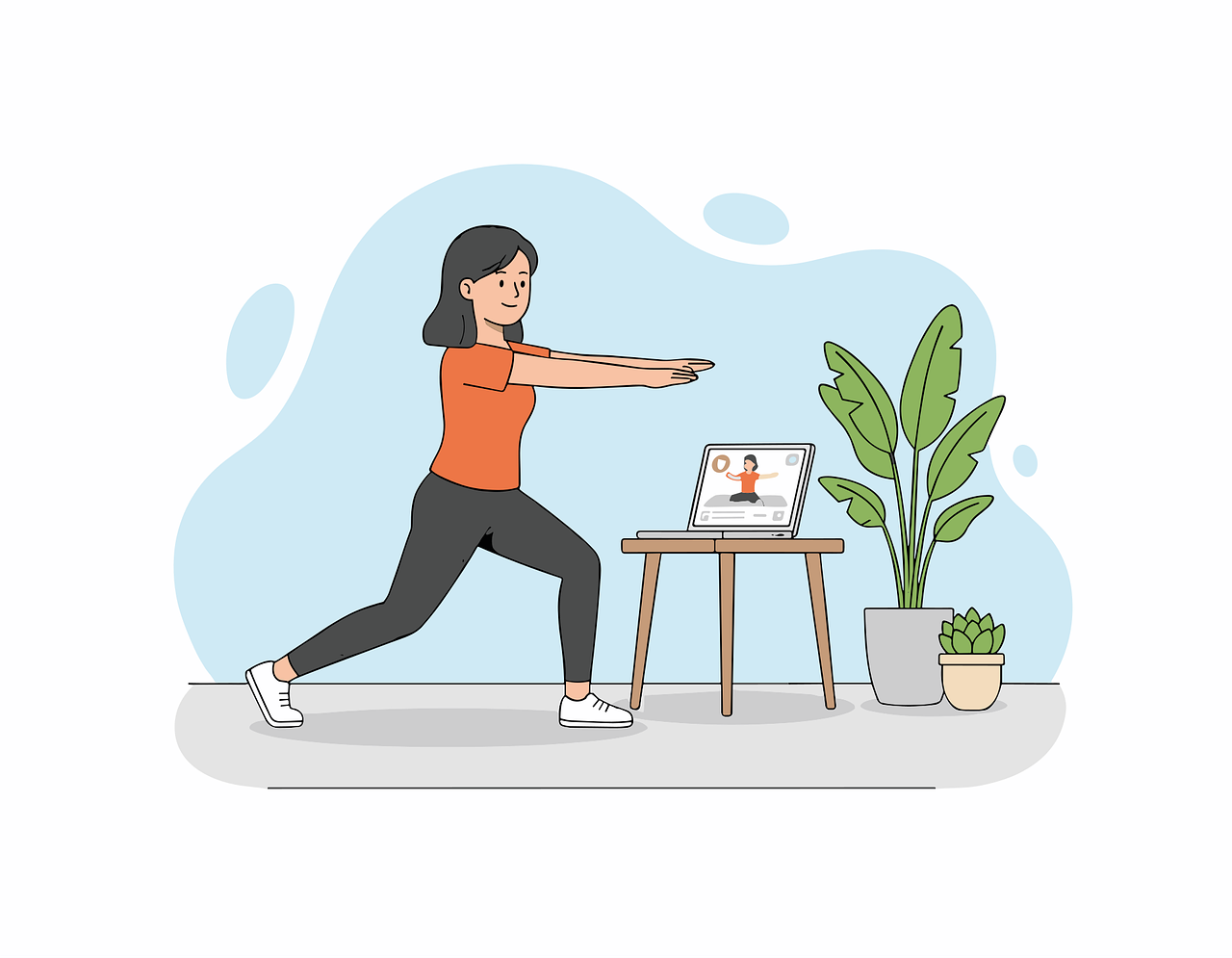
When transitioning to virtual personal training, adaptability is vital to maintain effective warm-up and cool-down strategies. Trainers can utilize technology to demonstrate exercises, showcase mobility drills, and explain their importance in real-time. Online platforms provide opportunities to share instructional videos and articles that emphasize the role of warm-ups and cool-downs. In addition, utilizing interactive tools can enhance the experience of virtual warming and cooling down. Clients who are educated on the necessity of these practices are more likely to engage enthusiastically in their fitness routines. By emphasizing the science behind warming up, trainers can instill a greater appreciation for this integral part of the exercise process. For interactive sessions, using video calls to correct form skillfully can prove beneficial, allowing trainers to ensure clients are performing exercises correctly. Moreover, tracking clients’ progress can also help them recognize improvements, encouraging them to stick with their warm-up and cool-down routines. Ultimately, a seamless transition into virtual training makes these essential practices accessible, engaging, and effective adaptations to traditional fitness routines.
Moreover, the impact of virtual personal training on how clients perceive warm-ups and cool-downs is noteworthy. Many individuals lacking experience might view warm-ups as tedious or unnecessary, yet trainers can alter this perception through engaging and fun routines. By incorporating various techniques, such as music or themed workouts, clients can find excitement in their warm-up and cool-down exercises. Additionally, infusing a personal touch during online sessions can motivate clients to perceive these routines differently. Trainers can integrate competitive elements, gamifying the process to further elevate engagement levels. As participants experience positive outcomes, such as improved performance and reduced soreness, their respect for these crucial components will grow. Ultimately, cultivating an appreciation for warm-ups and cool-downs can empower clients to advocate for these practices, fostering a culture that values injury prevention and effective training. Achieving desired results in virtual training often hinges on these foundational practices. Establishing this understanding leads to a well-rounded approach toward fitness that transcends the limitations of conventional training methods.
Additionally, considering the flexibility of virtual personal training sessions, warm-ups and cool-downs can be uniquely tailored to each individual’s needs. This personalized approach ensures that clients can engage in routines that resonate with their specific goals and preferences. For instance, someone preparing for a high-intensity interval training (HIIT) session might prioritize cardiovascular warm-ups, while another individual gearing up for strength training may focus on mobility and joint-specific movements. The adaptability of virtual training allows coaches to modify warm-up sequences explicitly catered to participants’ needs based on their fitness levels, age, and existing injuries. This tailored approach leads to a greater sense of ownership over workouts, subsequently boosting motivation and adherence. Similarly, recovery strategies during cool-downs can also be personalized. These may include different stretches, foam rolling techniques, or relaxation practices that cater to each client’s unique recovery requirements. Ultimately, this customization enhances the training experience and establishes a client-trainer bond founded on understanding and support. In virtual personal training, individualizing warm-ups and cool-downs can significantly elevate the quality of one’s fitness journey.
Moreover, tracking progress within virtual personal training sessions becomes increasingly seamless through well-structured warm-up and cool-down practices. By documenting improvements during warm-ups, such as increased flexibility or enhanced range of motion, clients can visualize their progress. This tracking fosters accountability, motivating individuals to engage consistently in their training. Likewise, monitoring recovery during cool-downs also provides valuable feedback. Participants can observe how their bodies respond to various workouts, enabling adjustments before future sessions. Thus, the combination of knowledge, awareness, and engagement through warm-ups and cool-downs promotes a deeper understanding of physical fitness. This knowledge fosters a sense of accomplishment and encourages individuals to embrace their journeys. Moreover, highlighting an ongoing relationship between preparation and recovery strengthens participants’ commitment to their routines. When clients prioritize warm-ups and cool-downs consistently, they pave the way for sustainable fitness practices that transcend individual workout sessions. Consequently, incorporating structured warm-ups and cool-downs leads to improved performance, reduced injury risks, and an enhanced overall fitness experience within the realm of virtual personal training.
Finally, the role of community in virtual personal training significantly enhances the effectiveness of incorporating warm-ups and cool-downs. Engaging with fellow participants creates an environment of support and camaraderie, making the training experience more enjoyable. Group warm-up sessions can foster motivation as individuals encourage one another while engaging in movements. This shared atmosphere helps promote consistency and fosters a positive association with warm-ups and cool-downs. Participants can benefit from collective experiences and shared insights regarding the effectiveness of these practices. In this respect, trainers might facilitate discussions or share success stories related to warm-up and cool-down routines. Such exchanges instill a sense of belonging and reinforce the idea that these practices hold value. As individuals commit to their sessions, they further inspire one another to prioritize essential warm-ups and cool-downs within their fitness journeys. Furthermore, social interactions within the virtual fitness community can serve as powerful motivators, encouraging healthy competition and continued engagement. Overall, fostering a sense of community in virtual personal training enhances the understanding and appreciation of warm-ups and cool-downs, emphasizing their importance for lasting success and continuous improvement.
In conclusion, the significance of integrating warm-ups and cool-downs is crucial for success in virtual personal training. These foundational practices enhance performance, reduce the risk of injury, and foster a positive mindset among participants. When implemented effectively, warm-ups facilitate a smooth transition into the workout, while cool-downs aid in recovery and relaxation. Trainers play a vital role in encouraging adherence to these critical routines, emphasizing their importance through personalized approaches, interactive sessions, and community building. By prioritizing these elements, clients embark on a holistic fitness journey that respects their individual needs and goals. Moreover, fostering appreciation for warm-ups and cool-downs contributes to creating a culture focused on sustainable health practices. The adaptability of virtual training allows for seamless incorporation of these routines, ensuring that participants feel supported throughout their fitness journeys. As clients experience growth, improve their skills, and cultivate a deeper understanding of their bodies, they develop lasting relationships with their warm-up and cool-down processes. Ultimately, emphasizing these essential components in virtual personal training is instrumental in achieving long-term health and fitness outcomes that benefit individuals on multiple levels.