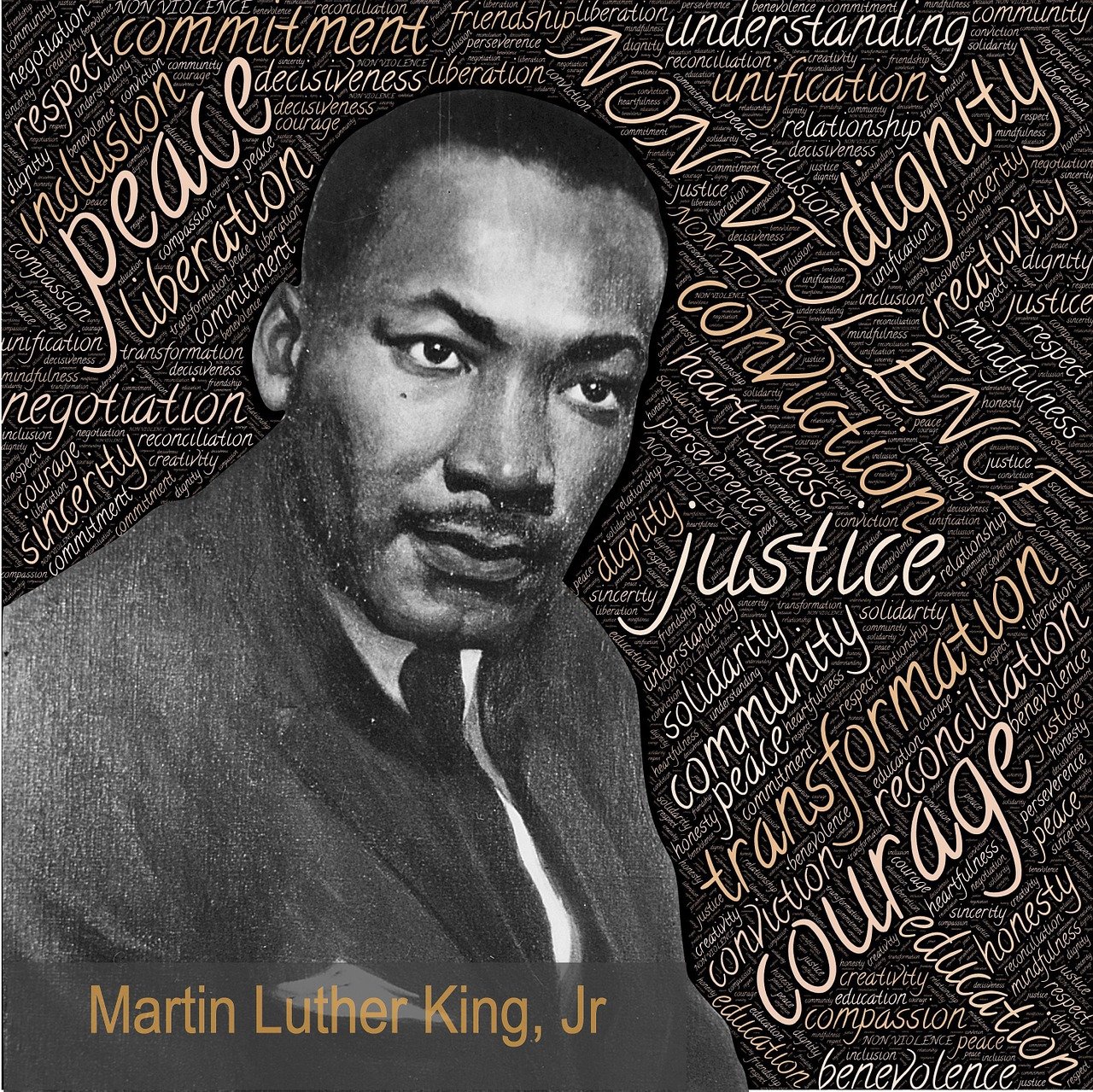

The Philosophy of Non-Violence in Martial Arts
The philosophy of non-violence in martial arts is a profound aspect reflecting the traditional values taught by many martial arts. At its core, this philosophy emphasizes that the ultimate goal of martial arts is not to inflict harm, but to cultivate inner peace and self-discipline. In teachings and practice, martial artists are encouraged to maintain a calm mind regardless of the external circumstances they face. This approach fosters understanding, where the practice of martial arts extends beyond physical techniques to encompass moral and ethical implications. Non-violence encourages practitioners to resolve conflicts without resorting to aggression. It cultivates respect for oneself and others, fostering a sense of community. While martial arts are often perceived as combat sports, many disciplines stress the importance of using skills responsibly, only as a last resort. Students learn that true strength flows from self-control, humility, and wisdom. This non-violent philosophy aims to guide practitioners in their daily lives, advocating for peace and compassion. As practitioners delve deeper into this philosophy, they begin to appreciate that martial arts can be a tool for personal growth and societal harmony. Knowledge, not hostility, is the real weapon.
The teachings of great masters often highlight non-violence as a cornerstone of the martial arts practice. Masters such as Gichin Funakoshi and Morihei Ueshiba professed that the essence of martial arts lies in the control of oneself, not merely in physical prowess. This encapsulates an essential belief that practicing martial arts is as much a spiritual journey as it is a physical undertaking. Embracing this philosophy enables students to navigate life’s challenges with a discerning mindset. They learn to respond with logic and calmness rather than react impulsively. Non-violence does not equate to weakness; rather, it signifies a higher level of understanding. It fosters a culture of peace, encouraging individuals to aspire to personal excellence while uplifting those around them. Compassion can act as a catalyst for transformation within communities, reducing violence and fostering understanding. Within this context, practitioners realize that engaging in martial arts provides an opportunity to explore their inner nature while advocating for a non-confrontational approach to interpersonal conflicts. The commitment to non-violence continues to enrich the relationship between martial arts and an ever-evolving society, reminding participants of the noble virtues of patience and respect.
The Role of Meditation in Non-Violent Martial Arts
Meditation plays a crucial role in promoting the philosophy of non-violence within martial arts. Practitioners engage in meditation practices to develop a centered state of mind, which helps them observe their thoughts and emotions without immediate reaction. By cultivating awareness of their internal landscapes, martial artists can better manage impulses towards aggression. This mental discipline not only aids in martial training but also influences how they approach daily life challenges. When learning to control their own thoughts and actions, students harness the power of peaceful resolution and compassionate engagement. Instead of resorting to violence, they become adept at peacekeeping and conflict resolution. Meditation allows practitioners to reflect on their motivations and the consequences of their actions, nurturing a profound sense of empathy towards others. The integration of meditation into training sessions reinforces a non-violent ethos, transforming how practitioners embody martial arts principles both in and outside the dojo. This spiritual practice fosters personal growth, clarity, and a dedication to ethical conduct. In summation, the practice of consistent meditation cultivates a mindset that values peace above combat, which is crucial to the broader understanding of martial arts.
Furthermore, many traditional martial arts forms incorporate philosophies that resonate deeply with non-violent principles. Techniques are often designed around self-defense rather than aggression; students learn to neutralize threat without escalating situations. For instance, jujitsu emphasizes joint locks and throws, which allows practitioners to subdue opponents through leverage rather than brute force. This method teaches respect for one’s adversary, framing encounters as opportunities for growth, rather than as conflicts to be won decisively. The refinement of skill builds character, where practitioners embody the virtues of perseverance, patience, and non-violence. By focusing on defensive techniques, martial artists can carefully gauge their reactions and approach potential confrontations with intelligence. They learn to anticipate adversaries’ movements and respond appropriately without resorting to violence. This systematic alignment with non-violence shapes the culture of many dojos, promoting respect between students and instructors. These values inspire communities, creating a legacy that extends beyond combat sports into everyday interactions, striking a balance between strength and compassion. Ultimately, this philosophy positions martial arts as a pathway to personal development while advocating for peaceful coexistence.
The Impact of Non-Violence on Personal Relationships
The impact of embracing non-violence in martial arts extends beyond individual practice to personal relationships and community interactions. Practitioners often find that the principles they internalize through training positively transform their interpersonal dynamics. The emphasis on respect and empathy nurturers understanding within family ties and friendships. Students learn to communicate authentically, valuing dialogue as a tool for resolving disputes. The awareness cultivated in martial arts supports active listening and emotional intelligence, strengthening bonds with others. A non-violent approach reduces hostilities and fosters trust, enabling deeper connections. By recognizing the value of peaceful engagement, practitioners can influence those around them to adopt similar attitudes. This ripple effect creates a supportive environment where conflicts are approached thoughtfully, aligning with the philosophy of martial arts. As practitioners actively model non-violence, they inspire others to embrace these ideals in their own lives. The return to civility and mutual respect invigorates communities, transforming spaces into havens of harmony. Ultimately, martial arts philosophy instills a sense of responsibility in practitioners, encouraging them to apply techniques learned in the dojo to everyday life challenges.
Engaging with the non-violence philosophy profoundly alters the martial arts practitioner’s outlook towards society. Combative sports are often overshadowed by violence, leading to misunderstandings surrounding their teachings. Non-violence reinforces the notion that true mastery encompasses control over one’s instincts and impulses. As martial artists delve further into their practice, they often become advocates for peace, actively seeking ways to share their knowledge. Many engage in community outreach programs, offering self-defense workshops while instilling messages of peace and conflict resolution. This dedication helps combat bullying and promotes respect among youth, fostering a more understanding generation. By connecting martial arts to social responsibility, practitioners solidify their role as mentors and role models. This transformation from combatants to peacekeepers becomes a cornerstone of martial arts’ place in modern society. Practicing non-violence positions martial artists to effect real change, demonstrating the practicality of the principles they uphold. Their community involvement illustrates the far-reaching benefits of martial arts philosophy, which can ripple through society. In this way, the martial arts philosophy of non-violence ultimately transcends the dojo, impacting various spheres of life and promoting a culture of harmonious existence.
Conclusion: The Lasting Legacy of Non-Violence in Martial Arts
In conclusion, the philosophy of non-violence in martial arts weaves through every aspect of practice and interpersonal conduct. As practitioners explore the depths of this philosophy, they unearth essential truths about life, relationships, and personal growth. The commitment to non-violence encourages individuals to develop as resilient, empathetic, and insightful members of society. Engaging in martial arts transforms participants into ambassadors for peace, enriching their communities through their understanding of conflict resolution. This legacy of non-violence endures, reminding us all that the greatest fight is often the one we have with ourselves. By embracing self-control and understanding, martial artists can navigate the complexities of human identity and emotions gracefully. The profound journey through martial arts philosophy reveals insights applicable in everyday encounters and challenges. Practitioners embody the essence of martial arts as a discipline nurturing not only the body but also the mind and spirit. As this philosophy continues to spread, it nourishes relationships, unites communities, and inspires generations to seek paths of peace. The world can indeed benefit from the profound lessons imparted by martial arts on living a non-violent life.
Moreover, the lasting legacy of non-violence within martial arts is evident in the evolving discourse surrounding conflict resolution. This philosophy remains relevant in our increasingly polarized world, where aggressive approaches often dominate discussions. Martial arts serve as a reminder that true strength lies in restraint, wisdom, and empathy. This enduring principle empowers individuals to adopt a proactive approach to addressing societal issues, targeting underlying causes rather than symptoms. The impact of non-violence transcends physicality, imprinting itself into culture and belief systems. As awareness settles into collective consciousness, martial arts become vehicles for fostering understanding across divergent viewpoints. In classrooms, boardrooms, and community spaces, practitioners emphasize dialogue over discord. Initiating conversation opens pathways for collaboration, creativity, and meaningful change. The continuous transmission of these teachings reinforces a commitment to ethical living intertwined with martial practice. Practitioners actively contribute to a shifting narrative within martial arts itself, aligning the discipline with broader movements advocating for peace globally. Together, these efforts illuminate the significance of adopting non-violent principles across diverse contexts. Martial artists are not just practitioners; they are catalysts for hope and unwavering peace.