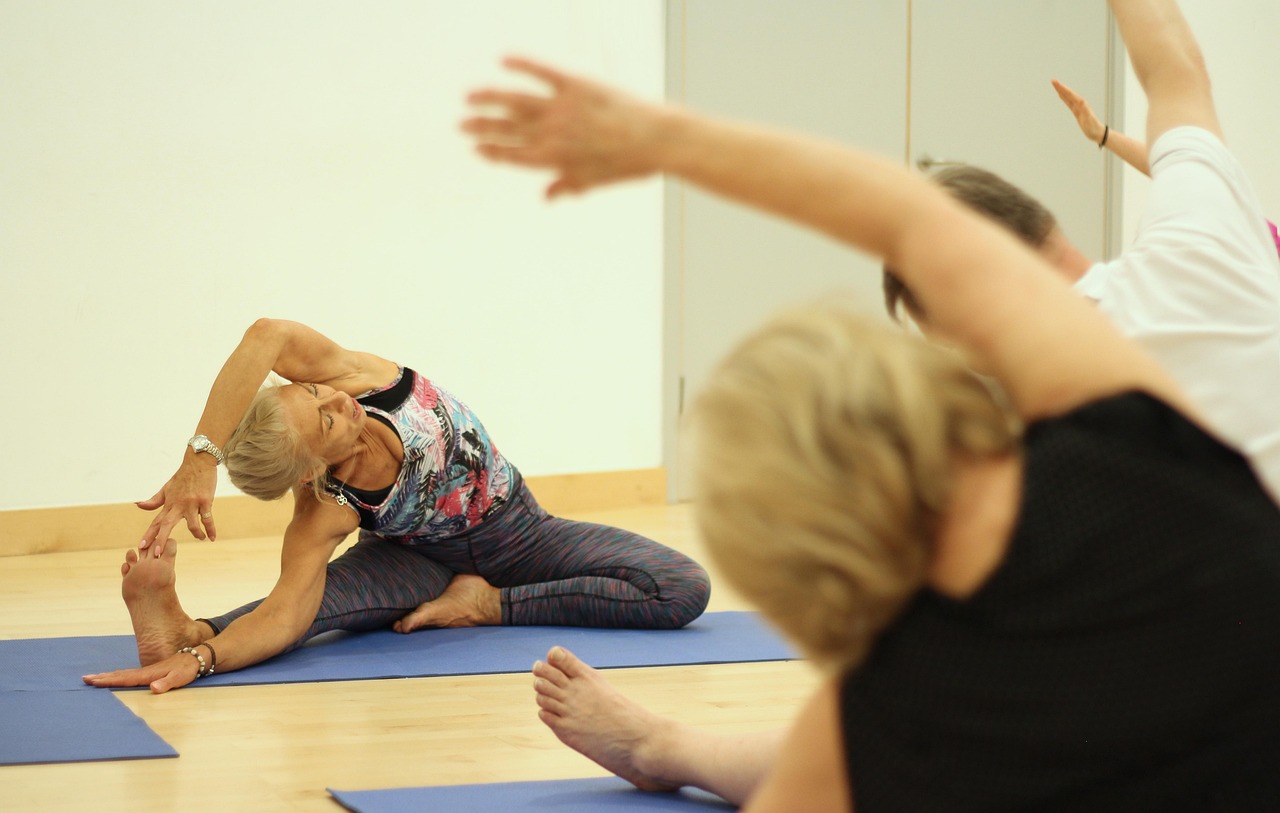

Advanced Yoga Techniques for Spinal Alignment
Incorporating advanced yoga techniques into your routine can significantly enhance spinal alignment and improve overall posture. Key asanas, when performed regularly, can create strength and flexibility in the muscles surrounding your spine. Yoga not only promotes physical fitness but also focuses on breathing techniques that enhance alignment. For instance, the Cobra Pose stretches the spine, allowing the thoracic region to expand, which helps maintain proper posture. Combining this with the Downward Dog strengthens the shoulder blades and back muscles. Focusing on breath control during poses enables practitioners to deepen their alignments consciously. To progress, it’s valuable to attend specialized classes focusing on spinal health and posture maintenance. Additionally, practicing under the guidance of trained instructors ensures you are completing the poses correctly, thereby minimizing injury risks. Incorporation of props such as blocks or straps can assist in achieving proper alignment. Adopting a consistent practice schedule will lead to noticeable improvements over time. To enhance your practice, consider incorporating other forms of exercises such as swimming or Pilates, which can also support strength and flexibility.
In addition to physical practice, understanding body mechanics and ergonomics can play an essential role in aligning the spine. By recognizing how daily activities such as sitting or standing can affect posture, individuals can actively work to counteract negative habits. Ergonomic furniture, like office chairs that provide lumbar support, is crucial for maintaining proper posture throughout your daily routine. Moreover, integrating micro-breaks during work hours allows the body to reset and reduce tension in the back and neck. Be conscious of your body’s alignment during these breaks by performing simple stretching exercises. These practices can help maintain flexibility and strength in often neglected muscle areas. Furthermore, awareness of breathing patterns can enhance engagement while maintaining proper posture. This mindfulness encourages individuals to maintain awareness of their spinal alignment throughout the day. Incorporate short yoga sequences into your breaks to promote a sense of relaxation and mindfulness. Consider journaling your posture journey to observe improvements and setbacks. Taking small, consistent steps toward a holistic approach to aligning your spine can significantly influence your overall health and posture.
Key Poses for Spinal Alignment
There are several key yoga poses that can enhance spinal alignment and should form the core of your practice. The Mountain Pose is a remarkable starting point; it promotes total body awareness and encourages correct postural alignment. This foundational pose engages all muscle groups to establish a strong, stable base. Another effective pose is the Cat-Cow Stretch, which adjusts the spine’s natural curvature and releases tension accumulated throughout the day. It’s beneficial to flow between these poses while coordinating with your breath. Additionally, the Bridge Pose strengthens the back and opens the chest, facilitating better alignment. Consider practicing the Puppy Pose, which helps in lengthening the spine while simultaneously stretching the shoulders. As these poses become more familiar, aim to integrate more challenging asanas like Warrior II for enhanced spinal stability. Be mindful of your body’s signals during practice; stop if you feel discomfort. Adequate warm-ups are necessary to prepare your muscles, ensuring safety and effectiveness in your practice for spinal health.
Alignment Principles in yoga are vital for achieving maximum benefits from your practice. Understanding how to align various body parts correctly allows for better energy flow and reduces the risk of injury. The alignment starts from the feet, where grounding is essential for stability. Focus on distributing your weight evenly across your feet when standing in poses. Transitioning from grounding, the structure of your legs plays a crucial role in supporting the spine. Keep the pelvis neutral, ensuring that it does not tilt excessively forward or backward during poses. Engaging the core automatically stabilizes the spine and promotes better postural alignment. During practice, notice the shoulder alignment; ensure they are relaxed and not hunched. Incorporating dvds or video classes focusing on alignment principles will offer valuable guidance. Remember to view yoga through a holistic lens; what works for one may not work for another. Observing your alignment in a mirror or filming your practice can provide critical feedback. Ultimately, understanding and applying alignment principles will lead to a more fulfilling and beneficial yoga experience.
Your Yoga Environment
Creating a conducive yoga environment is crucial for achieving optimal spinal alignment and overall wellness. Designate a dedicated space in your home where you can practice freely without interruptions. Utilize natural elements, like plants, which can promote a sense of calm and comfort during your practice. Soft lighting plays a significant role in enhancing mood and fostering relaxation. Consider incorporating essential oils or incense during your practice to stimulate the senses and promote tranquility. Use comfortable, non-restrictive clothing to enable freedom of movement and to focus solely on posture rather than discomfort. Furthermore, investing in quality yoga mats provides necessary cushioning for your spine while aligning your body properly. Background music or soothing sounds can enhance relaxation and focus during your practice. Be mindful of the temperature in your space; keep it comfortable and the air flowing. Regularly declutter your yoga area to help maintain a positive mental state. A clean and organized environment can eliminate distractions and promote deeper engagement, contributing to a more effective alignment journey through yoga.
Your mindset is equally essential in conjunction with physical practice for better spinal alignment. A positive approach to your yoga sessions creates an opportunity for personal growth and reflection. Setting achievable goals can help align your mental expectations with your physical capabilities. Aim to incorporate mindfulness and meditation into your routine. This fusion not only brings attention to alignment but also enhances self-awareness and fosters emotional well-being. Creating a vision board focusing on your yoga journey and how it correlates with your spine health can motivate and inspire you. Establishing a supportive community of like-minded individuals may also enhance engagement. Whether by joining a local class or participating in online forums, connection can provide motivation and accountability. Celebrate the small victories in your journey, reminding yourself of the progress you’ve made. Dive deep into resources, such as books and documentaries, that explore yoga philosophy and its benefits for spinal health. By bridging the gap between yoga practice and mindset, you can cultivate a profound understanding of the relation between posture and emotional balance.
Conclusion: A Holistic Approach
Taking a holistic approach to spinal alignment through advanced yoga techniques creates a solid foundation for healthy living. Strive to blend physical practice, mindfulness, and environmental factors to ensure sustained alignment and overall wellness. Understand that every person’s body is unique and requires different strategies for improvement. Establishing a routine that honors your body’s needs ultimately promotes a sustainable practice. This consistency is significant for achieving long-term benefits that extend beyond the mat. Remember, yoga is not merely about physical postures; it encompasses mental and emotional well-being as well. Engage in self-reflection after each session; consider what worked and what needs adjustment. Regularly recapping your goals allows you to adjust accordingly and find balance in your practice. Additionally, paying attention to your daily postural habits translates your yoga practice principles into real-life settings, reducing the risk of injury and improving your overall health. Ultimately, with dedication, patience, and practice, you can achieve a harmonious balance for your spine and cultivate better posture through advanced yoga.
}]} ) } 1,groove2