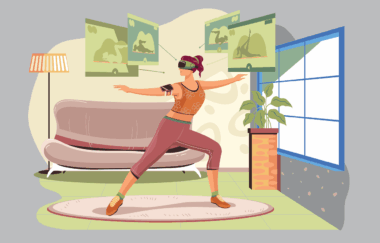

Balancing Technology and Traditional Training: The Best of Both Worlds
As the fitness landscape continues to evolve, the adoption of balance and stability apps has made a significant impact. These applications leverage technology to provide users with innovative solutions that help improve balance and stability through various exercises. Many people blend traditional training methods with modern applications. This approach enables them to harness the advantages of both realms, resulting in superior balance and stability. By combining techniques from respected physical disciplines with the latest technological advancements, users can maximize their workout effectiveness. Fitness apps encourage greater dedication and consistency in workout routines, keeping users engaged and motivated. Furthermore, these apps often incorporate personalized tracking features, allowing individuals to monitor their progress and adjust their plans accordingly. Leveraging data-driven insights can lead to targeted improvements in balance and coordination. Users can benefit from on-demand coaching and feedback that traditional coaching often lacks. This creates a unique training environment where both physical and technological elements work in harmony, emphasizing the importance of balance and stability in overall fitness.
The Advantages of Balance and Stability Apps
Balance and stability apps have gained popularity primarily due to their versatility and convenience. With countless options available on mobile devices, these apps enable users to train wherever and whenever they prefer. The absence of gym memberships and travel time makes it easier to integrate training into busy schedules. They can incorporate various balancing exercises, from yoga poses to core strengthening routines, ensuring a comprehensive approach to fitness. The real-time video demonstrations and guided tutorials enhance user experience, making it easier to learn the nuances of each movement. Also, many apps offer customizable workout plans tailored to individual fitness levels, catering to beginners and seasoned athletes alike. This flexibility allows users to progressively challenge themselves, helping them achieve better results over time. Social features, such as community challenges and sharing progress with friends, encourage motivation and accountability. Enhancements in augmented reality also provide immersive experiences that can make workouts more engaging. Integrating such technology transforms fitness into a fun and exciting journey for users seeking improvement in balance and stability.
Traditional training methods have withstood the test of time because of their proven effectiveness. Incorporating established exercises, such as squats, lunges, and balance beam drills, helps users build a solid foundation for their fitness journey. These movements enhance core strength, coordination, and flexibility, which are vital for optimal balance. Working with trainers has long been the standard for those aiming to elevate their skills; personal trainers contribute personalized feedback and guidance. They can also help individuals avoid injury by correcting form and providing safe progressions. While technology has transformed many aspects of fitness, traditional methods still hold immense value. This combination of conventional wisdom and innovative tools can bring about remarkable results. Furthermore, personal interaction during training fosters a sense of community, enriching the user experience. The motivation derived from normalizing workouts within a community further supports success. Balancing tech with traditional training allows users to leverage the best of both worlds, maximizing their achievements without sacrificing the foundational skills necessary for a balanced, stable body. Fitness should ultimately be enjoyable and sustainable, and this hybrid approach achieves that.
Integrating Fitness Apps with Traditional Training
Integrating balance and stability apps into traditional training practices offers numerous benefits for users. A holistic approach ensures that individuals harness the power of available technology while retaining the core principles of fitness. Apps can serve as additional tools to track progress, set goals, and provide exercise inspiration. Traditional workouts become more efficient and enjoyable, thanks to these innovative solutions. By following tailored fitness plans, users can develop routines that complement their existing workout regimens. For instance, one could perform balance training using an app after a strength workout to maintain solid core involvement. Sharing workout data from apps with personal trainers can enhance understanding of areas for improvement, making sessions highly effective. By discussing app-generated data, trainers can combine their expertise with user experiences to craft customized adjustments. Furthermore, mobile apps often come with extensive libraries of instructional videos, helping users refine their techniques and explore new exercises. This fosters creativity in training and encourages individuals to be fearless when trying new methods to improve balance and stability.
Both technology and traditional training offer unique insights into fitness, but together, they form a powerful combination. Fitness apps empower users with engaging workouts and real-time data tracking, while traditional approaches provide a strong foundation for various balance exercises. By complementing each other, they can create a comprehensive fitness program that prioritizes user needs and preferences. Balance and stability are crucial components of overall fitness, which necessitates a well-rounded approach to exercise. Relying solely on technological innovations may lead to stagnation in progress without the guidance of expert trainers. Conversely, sticking exclusively to traditional training methods may not fully capitalize on the learning resources technology offers. Combining both enable users to progress steadily and adapt to evolving fitness goals. Consider experimenting with various workout modalities, such as Pilates, tai chi, or dance-based activities, alongside app-driven practices to create a dynamic experience. This approach fosters motivation, enhancing adherence to routine while preventing burnout. As users navigate their fitness journeys, they will appreciate the excitement brought by blending technology and tradition.
Choosing the Right Balance App
Selecting the most suitable balance app requires individuals to consider specific factors aligned with their goals. The first step is to identify personal fitness objectives, whether it’s improving core strength, enhancing overall balance, or preventing falls. Different apps cater to varying skill levels, making it essential to choose one tailored to individual needs. Reading user reviews and ratings from credible sources can provide insight into app functionality and effectiveness. Look for programs that feature a broad range of exercises targeting different aspects of balance and stability. Additionally, explore options that offer personalized recommendations based on user performance, ensuring continuous improvement. Some apps provide data tracking for accountability, which can contribute to more consistent workout habits. The interactive experience presented through engaging interfaces can make fitness enjoyable and motivating. Finally, the availability of instructional videos that demonstrate proper technique is crucial. Proper form is vital to prevent injuries and achieve desired results. By carefully evaluating these elements, users can find the perfect balance app that aligns with their fitness aspirations.
In conclusion, finding harmony between fitness apps and traditional training methods can yield impressive results in improving balance and stability. Each approach has its advantages; thus, embracing both can lead to a well-rounded fitness experience. Apps provide convenience, adaptability, and technology-driven insights, while traditional methods impart time-tested results and personal guidance. This synergy allows users to develop a comprehensive workout regimen customized for their unique goals. Experimentation is key, as individuals should not hesitate to combine multiple approaches, discovering which ones best support their fitness journeys. Engaging with instructors and fellow fitness enthusiasts remains crucial even in a fast-paced tech world. The holistic wellness aspect of training can be enriched by participating in community fitness events, workshops, or group sessions. This involvement fosters motivation, friendship, and accountability, which are essential components of a successful fitness journey. Balance and stability apps, when merged with robust training practices, can transform the way users approach fitness. Ultimately, it’s about striking the proper balance while ensuring both physical and mental well-being.