
Best Plant-Based Foods for Muscle Repair
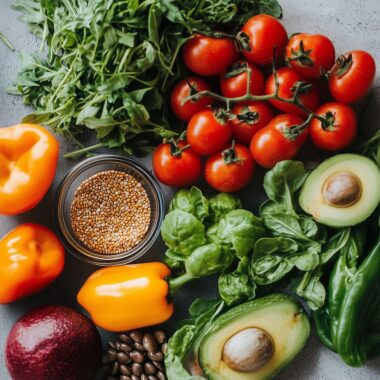
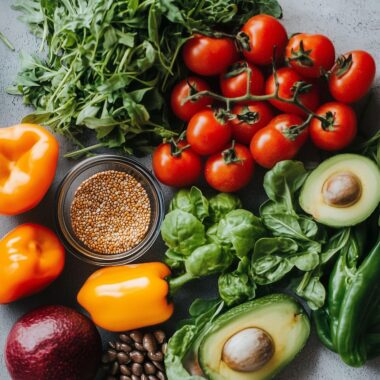
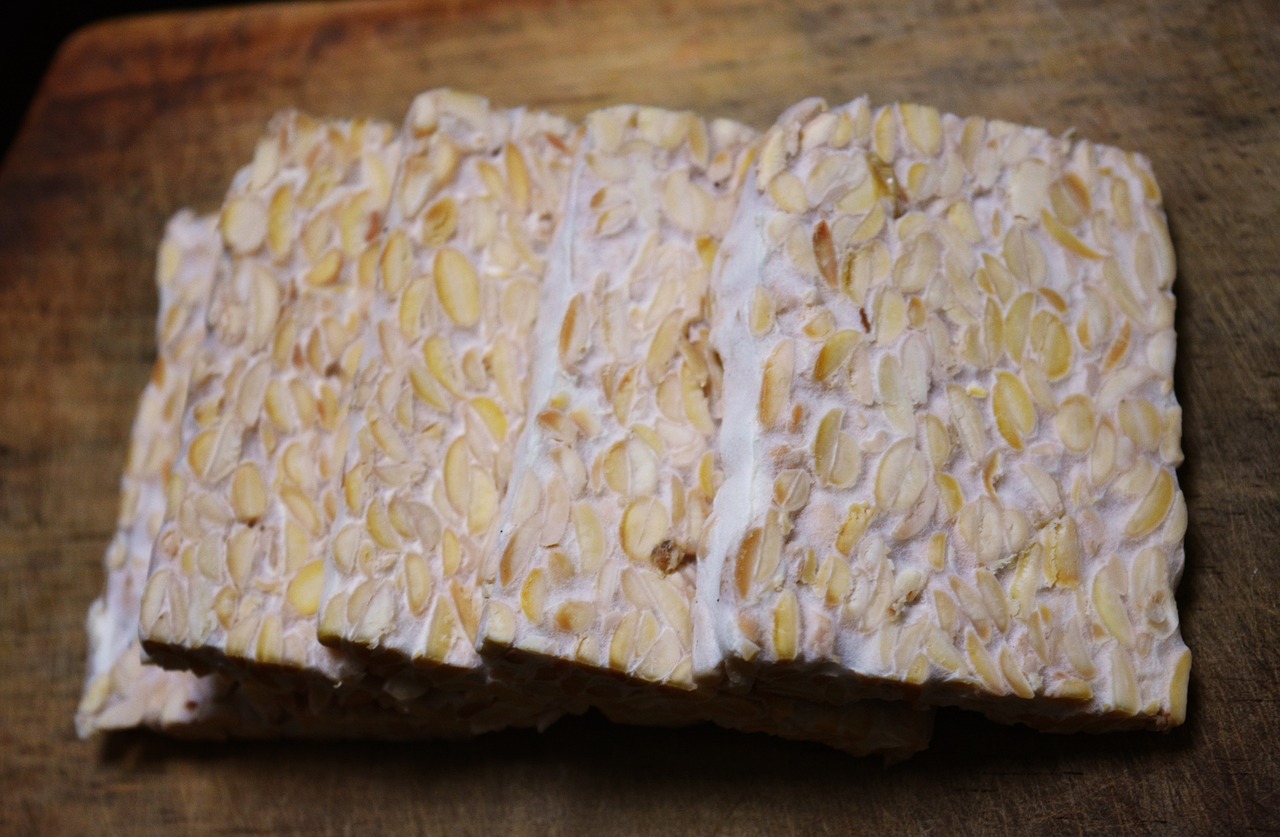
For athletes, muscle repair is crucial for maintaining peak performance and promoting recovery. A diet rich in plant-based foods can provide essential nutrients that facilitate this process. First, protein is key. Consider including options like lentils, which offer around 18 grams of protein per cooked cup, supporting muscle recovery effectively. Quinoa is another great source, containing all nine essential amino acids, making it a complete protein. Tofu and tempeh are also outstanding choices, packed with protein and calcium. Next, optimize your intake of healthy fats from sources like avocados and nuts. Walnuts, in particular, are rich in omega-3 fatty acids, which have anti-inflammatory properties and aid muscle healing. Moreover, fruits and vegetables are vital for providing antioxidants that neutralize damage from intense workouts. Incorporate berries, spinach, and sweet potatoes into your meals to enhance recovery times. Lastly, hydration plays an important role too; consider electrolyte-rich drinks derived from coconut water to replenish lost minerals quickly. By integrating these foods into your diet, you can bolster your nutritional intake and support efficient muscle repair.
Protein Sources in Plant-Based Nutrition
When aiming for muscle repair, understanding the role of protein in plant-based nutrition is essential. Plant proteins can compete with animal proteins in terms of quality and effectiveness. Chickpeas are versatile legumes that provide about 15 grams of protein per cooked cup, making them an ideal ingredient for salads or stews. Additionally, edamame offers a significant amount of protein—around 17 grams per cup—along with fiber that supports digestive health. Such plant-based proteins can help repair muscle tissue while minimizing the risk of gastrointestinal issues, often linked to whey protein supplements. Pea protein is also gaining popularity among athletes due to its digestibility and amino acid profile. Incorporating various protein sources throughout the day ensures a well-rounded intake; smoothies blended with pea protein or hemp seeds can serve this purpose. Nut butters are another delicious way to intake protein, blended into smoothies or spread on whole-grain bread. Balance of protein across meals is necessary to maximize muscle regeneration. Thus, including various complementary protein sources within your daily meals is crucial for an effective recovery.
Another important aspect of recovery is ensuring an adequate intake of carbohydrates. Whole grains such as brown rice and oats are excellent choices for athletes. They provide the necessary energy required for workout sessions. Particularly, they also play a pivotal role post-exercise by replenishing glycogen stores dramatically. Including fruits in your meals is beneficial for their natural sugars, along with vitamins and minerals that support recovery. Sweet potatoes stand out as a nutritious carbohydrate source, rich in fiber and packed with vitamins A and C. The fiber in these foods aids digestion, ensuring that nutrients are efficiently absorbed into the bloodstream. When selecting carbs, focus on minimal processing, as whole food sources greatly assist in muscle recovery. Using grains as the base of your meals ensures not only energy but also enhances overall health. A well-balanced intake of carbohydrates prevents fatigue and maintains endurance during subsequent training sessions. Creating balanced meals containing both protein and carbohydrates will optimize recovery further. This combination is a winning strategy for improving an athlete’s performance and healing.
Importance of Healthy Fats
Integrating healthy fats into a plant-based diet is crucial for athletes seeking optimal muscle recovery. Fats aid in hormone production, including testosterone, which is necessary for muscle growth and repair. Avocados, for example, provide monounsaturated fats that support heart health and vitality. Furthermore, they contain potassium, supporting muscle function. Another rich source of healthy fat is nuts—almonds, cashews, and walnuts. They not only provide healthy fats but are also excellent sources of protein and vitamin E, an important antioxidant for muscle health. Flaxseeds and chia seeds are also valuable additions. These tiny powerhouses are rich in omega-3 fatty acids that reduce inflammation. Adding them to smoothies or oatmeal can boost nutrient intake significantly. It’s essential to focus on sources rich in omega-3 while minimizing saturated fats found in processed foods. Instead of reaching for fried snacks, consider making energy bites with nut butter and oats for a healthy alternative. By prioritizing healthy fat intake, athletes can enhance muscle recovery efficiently while enjoying a variety of delicious foods.
Error also contributes to muscle soreness following physical activity. To mitigate these effects, consuming foods rich in micronutrients is essential. Vitamins such as B6 and C, along with minerals like magnesium, play a role in muscle repair. Leafy greens like kale and swiss chard offer an excellent source of these nutrients. Additionally, mushrooms are underrated sources of vitamin D, which is necessary for calcium absorption, enhancing muscle contraction. Incorporating vegetables of varying colors into meals ensures a wide range of nutrients; such diversity is imperative for overall health. For instance, bell peppers provide a rich source of vitamin C, while berries contain antioxidants that combat oxidative stress caused by strenuous physical activity. Consuming a rainbow of foods will yield the most comprehensive nutrient profile. Furthermore, consider adding fermented foods like kimchi or sauerkraut, known for their probiotic benefits, aiding gut health and, by extension, recovery processes. Incorporating these foods into meals not only enriches the nutritional value but also supports efficient muscle repair post-exercise.
Hydration’s Role in Recovery
Staying hydrated is another crucial factor affecting recovery and performance. Even mild dehydration can hinder muscle recovery significantly. Incorporating fluid-dense foods, such as cucumbers and watermelon, into your diet can help. These foods contribute not only hydration but also valuable nutrients. Athletes must be proactive about hydration before, during, and after training sessions. Coconut water serves as a natural alternative to traditional sports drinks, providing electrolytes and hydration. Those participating in long-duration activities should consider electrolyte-rich fluids, and infuse their water with lemon or herbal teas for added flavor and minerals. Monitoring urine color is a simple yet effective way of assessing hydration levels. Aim for a pale straw color to ensure adequate hydration. Drink water consistently throughout the day instead of waiting until feeling thirsty; this habit promotes optimal hydration. Moreover, focus on hydration during meal preparation, ensuring adequate fluid intake while cooking. Smoothies can be excellent in delivering hydration and nutrients, allowing the body to absorb them efficiently. Thus, prioritizing hydration consistently supports muscle repair and performance improvement.
In conclusion, adopting a plant-based diet rich in various nutrients is essential for muscle repair among athletes. Emphasizing protein from diverse sources like legumes, grains, and nuts is key to supporting muscle recovery. Adding healthy fats enhances hormonal functions crucial for muscle building. Meanwhile, carbohydrates play a vital role in providing necessary energy while aiding glycogen restoration after strenuous activities. Furthermore, an adequate intake of micronutrients from fruits and vegetables supports overall recovery processes. Lastly, hydration is imperative throughout this journey. Incorporating all these components leads to a well-rounded approach for muscle repair. To maximize benefits, combining these foods leads to better digestion and nutrient absorption. Challenge yourself to create meals using an array of these nutrient-dense foods. This strategy can boost performance and ensure faster recovery from workouts, ultimately leading to enhanced athletic progress. No matter the training intensity, optimizing your plant-based diet promotes longevity and sustainability in sports performance. Invest time in meal preparation to enjoy tasty recipes while enriching your nutritional intake. By consistently implementing these practices, athletic endeavors can improve significantly.