
How to Avoid Common Foot Injuries with the Right OCR Shoe
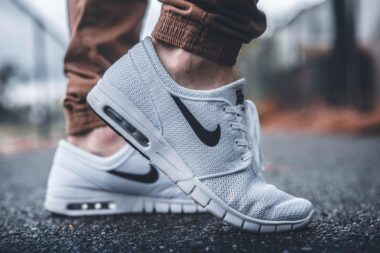
Obstacle Course Racing, or OCR, presents unique challenges for participants, particularly regarding footwear. Selecting the right shoes plays a crucial role not just in performance but also in preventing injuries often associated with running in rough terrains. The features to consider include the shoe’s grip, cushioning, and support. Shoes designed specifically for OCR often possess excellent traction, which is essential for climbing walls and traversing slippery surfaces. Additionally, they should offer adequate cushioning to absorb impact during jumps and falls. The fit is equally significant, as ill-fitting shoes can lead to blisters and other foot ailments. Furthermore, lightweight materials can help a racer stay agile and quick, which is beneficial on obstacles. Paying attention to the design of the shoe is vital as well; look for styles that facilitate water drainage. Lastly, consider the type of terrain you usually race on, as some shoes perform better on specific surfaces than others. By being thoughtful about these aspects, racers can choose OCR shoes that enhance their performance and protect their feet from common injuries.
Understanding the anatomy of your foot is essential when selecting OCR shoes to prevent injuries. The foot comprises several bones, ligaments, and tendons that together facilitate movement and balance. Each foot type—neutral, flat, or high-arch—requires specific shoe features. For instance, those with flat feet often need shoes that offer added support and stability. Conversely, runners with high arches require more cushioning to absorb the shock of impact. Assessing your foot type can guide the selection of an appropriate shoe model. Furthermore, ensure that the shoe fits well; it should allow for a thumb’s width of space between your longest toe and the shoe’s front. This not only enhances comfort but also prevents pinching and soreness during races. A good practice is to try shoes on in the evening; your feet swell throughout the day, which leads to a more accurate fit. Lastly, always wear the socks you intend to race in for a true fit assessment. This attention to detail will aid in selecting footwear that minimizes injury risk, enhancing both the racing experience and performance all together.
Choosing the Right Sole for OCR Shoes
The sole of an OCR shoe is a pivotal feature that directly impacts safety and performance. Look for shoes with a rugged outsole made of high-quality rubber; such materials are designed to offer optimal traction on varying surfaces, including mud, gravel, and asphalt. Sturdy lugs on the sole help in preventing slips and provide stability during descents or sharp turns. The depth and pattern of the lugs should match the types of terrains you compete on; aggressive treads excel on muddy circuits, while flatter soles are adequate for dry and stable ground. Moreover, a flexible sole allows natural foot movement and helps in absorbing shocks. Shoes that are too stiff can lead to fatigue or injury over time. Pay attention to the midsole as well; shoes with proper cushioning support will help reduce impact on harder surfaces. Additionally, consider that a good shoe should also be lightweight, enabling quick and efficient transitions between obstacles. A well-designed sole balances grip and comfort, providing you with the confidence to tackle various challenges during the race.
Moisture management in OCR shoes is another important factor that can help prevent foot injuries. During a race, feet can become wet and sweaty, creating an environment ripe for blisters and fungal infections. Look for shoes that feature moisture-wicking materials in their lining, as this can help keep your feet dry. Additionally, a shoe that allows for easy drainage, especially after water obstacles, reduces the weight on your feet and promotes quicker drying times. Mesh uppers are excellent for breathability and ventilation; they let air circulate without compromising on support. Furthermore, consider the use of specialty socks designed for OCR; they are crafted to limit skin friction and wick away moisture effectively. Incorporating all these elements—shoes that drain well, breathe easily, and comfortingly fit—can preserve foot health during rigorous course challenges. Regularly inspect your shoes after races for signs of wear; replacing them promptly is essential for maintaining optimal foot protection and performance. These proactive measures contribute significantly to injury prevention while enhancing your overall racing outcomes.
Customizing Your OCR Shoes
Customization can help fine-tune the fit and functionality of your OCR shoes. One effective method is adding insoles that cater specifically to your foot type, enhancing comfort and support. Depending on your needs, these custom insoles can provide necessary arch support or additional cushioning. It’s particularly useful for those recovering from previous foot injuries, offering added protection against stress and providing much-needed stability. Furthermore, you may want to consider a more precise lacing system; utilizing techniques such as heel-lock lacing can improve fit and keep your foot secured without causing pressure points. Adjusting the tightness based on your activities during a race can also greatly affect comfort levels. Additionally, protective toe caps are available to shield your feet against impacts from obstacles. This added layer can help prevent injuries from hitting hard surfaces, rocks, or other debris along the course. Overall, adapting your footwear through customization ensures you not only have a better fit but also a safer and more efficient racing experience.
Trial runs are an essential component of finding the perfect OCR shoe to minimize injuries effectively. Before encumbering your shoes in a full race, test them out under similar conditions that you would face during an event. This can involve running on trails, tackling hills, or even simulating muddy conditions. Assess how the shoes handle varied surfaces, as well as how they perform during sharp turns and jumps. Pay attention to any discomfort experienced while wearing them; if the shoe pinches or creates hot spots, it may not be the right fit. Furthermore, try to mimic the race intensity during these trial runs, as this will give you a clearer idea of the shoe’s performance under strain. Consider various distances for your tests; this will help you understand how fatigue might affect your foot’s fit over longer periods. Don’t forget to consider how the shoe feels after prolonged wear; comfort does not end when you lace them up. The more prepared you are before race day, the more likely you are to avoid injuries that could diminish your experience and performance.
Maintaining Your OCR Shoes
Proper maintenance extends the lifespan of your OCR shoes and ensures they perform optimally throughout their use. After every race, make it a habit to inspect your shoes thoroughly. Check for any signs of wear such as worn-out soles, damaged laces, or torn uppers. Cleaning your shoes is also essential; remove mud and debris that could trap moisture and cause bacteria buildup. A soft brush or damp cloth can help with this. While washing the shoes, avoid machine washing or drying, as this can damage their integrity. Instead, let them dry naturally and away from direct sunlight, preventing materials from degrading. Rotating between two pairs of shoes can also prolong their life; alternate between them for different training sessions. This practice allows each pair time to air and recover from an intense session. Finally, store your OCR shoes in a cool, dry place to keep them in optimal conditions. Taking these measures will not only protect your shoes but also safeguard your feet against injuries, contributing to a successful racing journey.
In conclusion, selecting the right shoes for obstacle course racing should be approached with careful consideration. Look for features that impact both performance and foot health, such as traction, support, and cushioning. Understanding your foot type and customizing your shoes as needed ensures you’re adequately equipped for your races while minimizing the risk of injury. Always prioritize fit; try different socks and styles to find what feels most comfortable, particularly when tackling various terrains. Thorough trial runs will give you valuable insights into the shoe performance, allowing you to make informed decisions. Moreover, don’t underestimate the importance of proper maintenance to preserve shoe integrity and protect your feet. Taking these steps not only enhances your performance but also contributes significantly to your overall enjoyment of OCR events. Injury prevention should remain a priority, as it directly affects both training and competition. With the right shoes, you’re better positioned to conquer challenges confidently, ensuring a more enjoyable racing experience. Ultimately, good footwear should support and protect, helping you cross the finish line with ease and satisfaction while maintaining foot health above all else.