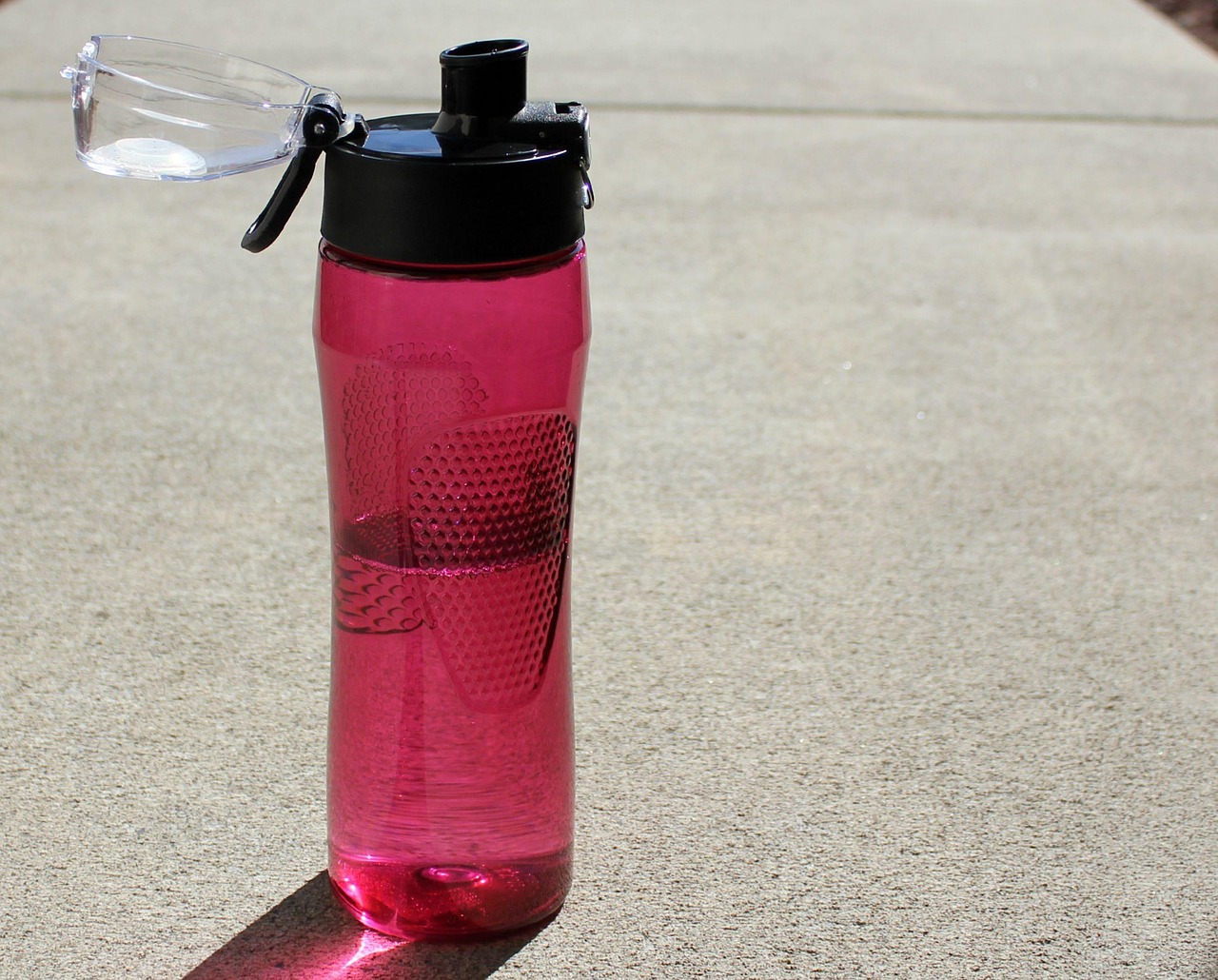

Planning Hydration Breaks During Youth Sports Practices
Proper hydration is crucial for youth athletes, particularly during sports practices that can be physically demanding. Implementing scheduled hydration breaks ensures that young athletes maintain optimal fluid balance and performance. Coaches and parents should recognize the signs of dehydration, including fatigue, dizziness, and decreased performance to manage hydration effectively. Planning these breaks at approximately 20-minute intervals allows athletes to receive necessary fluids without interrupting practice continuity. Additionally, emphasizing the importance of hydration before, during and after practice strengthens the hydration habits among youth athletes. It is essential to offer a variety of hydrating options, such as water and electrolyte drinks, to cater to different preferences. In fact, teaching young athletes to understand their individual hydration needs will empower them to take ownership of their hydration strategies. Also, consider teaching proper drinking techniques, like sipping rather than gulping, to help them stay hydrated throughout their session. Educating young athletes can lead to improved performance, reduced injury risk, and long-term healthy habits.
Another vital component in managing hydration breaks is setting realistic hydration goals. Coaches should encourage youth athletes to drink a specific amount of fluid before practice to prepare their bodies for the upcoming activity. This proactive approach helps to establish hydration as a routine part of their preparation. During practices, emphasize the need to hydrate during designated breaks. To maintain focus and motivation, incorporate engaging activities that involve hydration reminders, like challenges or games. This can create a fun atmosphere while reinforcing the importance of staying hydrated. Parents can support this initiative by providing athletes with reusable water bottles that keep their drinks easily accessible. It encourages kids to make hydration a habit and empowers them to track their fluid intake. Additionally, discuss the role of nutrition in hydration by highlighting foods high in water content, such as fruits and vegetables. Including these foods in pre-practice meals can further enhance hydration. Lastly, remind youth athletes of the importance of hydration post-practice to aid recovery and prepare for their next activity.
Tips for Effective Hydration Management
To enhance hydration management, consider conducting regular workshops or training sessions for coaches, parents, and athletes. Educating everyone involved can create a unified approach to hydration awareness. These sessions could cover hydration strategies, the science behind fluid loss during exercise, and tips on identifying and managing dehydration symptoms. Promoting open dialogue during these training sessions allows athletes to voice their concerns and experiences, fostering a supportive environment. Furthermore, sharing success stories from athletes who have benefited from proper hydration can inspire young athletes to adopt better practices. Create posters or guides that outline key hydration principles and place them in visible areas at the practice field. This serves as a constant reminder for athletes to adhere to good hydration habits. Also, use technology to your advantage by utilizing apps that track hydration levels and send reminders to drink water. Active involvement from coaches and parents reinforces the message of hydration’s importance. Such initiatives contribute to a culture of health in young athletes, ultimately improving their performance and enjoyment of the sport.
In addition to water, sports drinks can provide benefits during strenuous activities. However, understanding when to incorporate these drinks is essential. Coaches should familiarize themselves with the types of sports drinks available and how they differ in sugar, electrolytes, and calorie content. This knowledge allows for informed decisions, ensuring athletes receive appropriate hydration options. A general rule of thumb is that if the practice lasts longer than an hour, consider offering sports drinks that replenish electrolytes and carbohydrates. On the other hand, for shorter practices, plain water is usually sufficient. Educating young athletes about taste preferences may encourage them to consume these drinks when necessary. Explain the trade-offs between hydration options, such as the additional sugary calories from certain beverages. Additionally, involve athletes in selecting their drinks according to personal preference but ensure they remain within healthy options. Ultimately, balancing water and sports drinks effectively will enable youth athletes to remain hydrated while keeping energy levels stable during practices.
Monitoring Hydration Levels
Monitoring hydration levels is crucial for youth athletes, ensuring they perform at their best. One effective method is to promote the “pee test”: having athletes check the color of their urine; it can serve as a reliable indicator of hydration status. Encourage players to aim for light yellow urine, signifying proper hydration, while darker shades indicate increased dehydration. This simple guideline can help young athletes understand and actively manage their hydration levels. Coaches should address this technique regularly and communicate its importance to athletes and parents. It can also be beneficial to incorporate hydration checks before and after practice sessions, gathering data on how much fluid each child needs throughout the event. Involve parents in this process by equipping them with knowledge on signs of dehydration they should watch for at-home practices. Additionally, consider organizing friendly competitions focused on hydration levels, allowing athletes to share success stories and motivate each other. By integrating hydration monitoring into practice schedules, youth athletes can develop better self-awareness and create lifelong hydration habits.
Another essential aspect of hydration is individual differences among youth athletes. Factors such as age, weight, climate, and physical condition play a significant role in determining hydration needs. Coaches need to assess each athlete’s unique requirements when establishing hydration breaks and recommendations. Initiating discussions with athletes about their hydration patterns provides valuable insights into their preferences and concerns. Incorporating individual feedback allows for a more tailored approach to their hydration needs, ultimately leading to better outcomes. Education sessions should also address these differences, empowering young athletes to recognize their body signals regarding thirst. Furthermore, by discussing how intensity affects hydration needs, coaches can provide specific recommendations based on practice focus, such as endurance versus strength training. This individualized approach not only helps athletes to perform at their best but also instills a sense of responsibility for their hydration habits. By treating hydration management as a collaborative effort between the coaches, athletes, and parents, the overall effectiveness of hydration strategies can significantly improve.
Cultivating Lifelong Hydration Habits
Teaching youth athletes about the significance of hydration during sports practices cultivates habits that may last a lifetime. Developing an awareness of hydration will help children understand the connection between how they feel and their physical performance. Coaches and parents can create a supportive environment by encouraging open discussions about hydration around practices. Organize events that celebrate hydration awareness and discuss different aspects of fluid intake and nutrition. These activities added value can help embed hydration as a fundamental component of sports participation. Reinforce positive association with hydration by recognizing athletes who successfully adhere to their hydration plans or goals. By showcasing their achievements, you offer a real-life example of how hydration can contribute to success. Integrating hydration education into pre-season training solidifies the importance of hydration upon returning each season. Remember that educating youth athletes results in a shift in mindset around hydration, promoting the mindset of investing in their health through proper fluid management. Ultimately, these efforts will nurture their future performance while creating healthy habits that last beyond their sports careers.
In conclusion, effectively planning hydration breaks during youth sports practices is an essential strategy for promoting optimal athletic performance. Engaging young athletes through education and individualized hydration plans leads to better hydrating habits that enhance their overall health and performance. Encouraging regular hydration at set intervals not only improves physical performance but also fosters a connection between athletes and their bodies. As coaches and parents work together to instill these valuable lessons, children can learn to prioritize their hydration throughout their sports careers and beyond. Enhanced hydration practices thus contribute to better athletic development while reducing the risk of complications related to dehydration. Regular monitoring and open communication regarding hydration enable athletes to take responsibility for their well-being. In addition, empowering children with knowledge on hydration strategies ensures that they are actively engaged in their health. Therefore, fostering a positive relationship with hydration can lead to lifelong healthy habits. By prioritizing these strategies, we can ensure that young athletes not only excel in their sports but also lead healthier lives in the future.