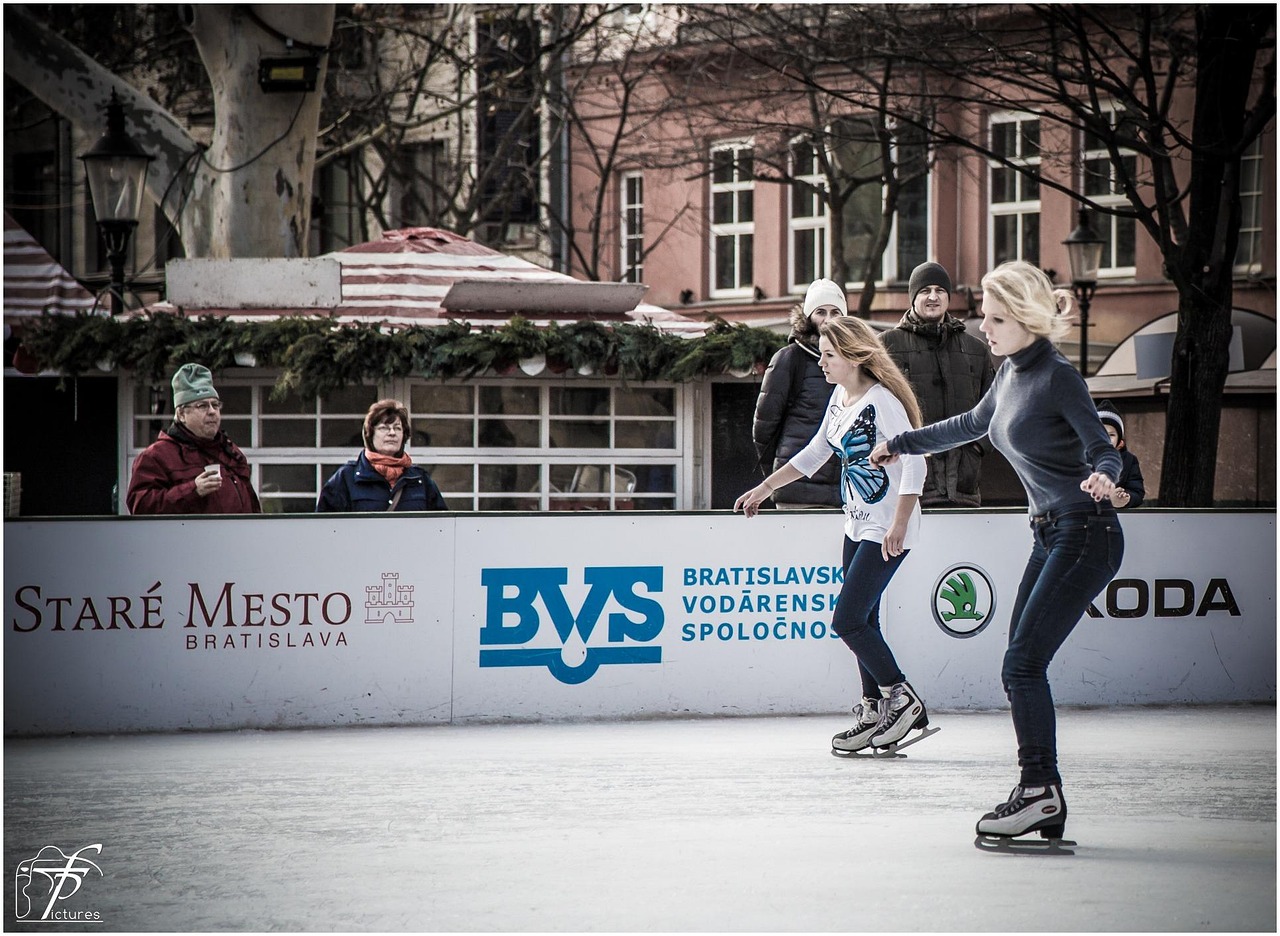

The Evolution of Ice Skating: From Basic Movements to Advanced Skills
Ice skating is a sport with a rich history and a complex evolution that reflects changes in techniques and equipment over centuries. In the early days, skates were made from animal bones, allowing people to glide across frozen surfaces. Over time, innovation led to the creation of metal blades, providing skaters with better control and speed. Fundamental skills such as balance, rhythm, and coordination became essential as more people took to the ice. Early 20th century brought artistic elements into ice skating, introducing figures and routines to showcase skills. Skaters began forming groups, enhancing social interactions and competition. Competitive skating took off with events that showcased both technical and artistic abilities, contributing to global interest in the sport. Various styles evolved, influencing how ice skating is learned today. In modern ice skating, athletes often focus on integration of strength training to improve core stability, essential for executing advanced maneuvers. The advancement of technology in coaching and training gear also plays a pivotal role in shaping future champions, making the sport increasingly popular among younger generations.
Basic Movements in Ice Skating
The fundamental movements of ice skating rely on several key skills that serve as the basis for advancing in the sport. New skaters first learn how to glide and balance on skates, understanding the importance of posture. Starting with basic forward movements, students work on their stride, utilizing the edges of the skate blades effectively. Learning to stop is essential for safety, with techniques including the snowplow stop, which involves pushing the skate edges outward. Skaters then progress to backward skating, a skill that enhances coordination and teaches control. The ability to turn both directions smoothly is crucial for advancing, allowing skaters to change direction fluidly. After mastering basic turns, emphasis shifts to learning how to crossover, which involves crossing one skate over another to gain speed and momentum. As athletes become proficient, they start to combine skills, integrating small jumps and spins. Though these seem simple, mastering basic movements builds confidence and serves as a foundation for learning more complex techniques. Consistent practice of these fundamentals allows skaters to enjoy the sport more while preparing them for future challenges and competitions.
As skaters move beyond the basics, they encounter the importance of enhancing their techniques to achieve proficiency in more complex movements. An essential aspect of advanced skating is the skillful execution of jumps. Jumps such as the axel, lutz, and toe loop require enormous finesse and technique to be performed correctly. Skaters must master takeoff and landing, focusing on timing and body positioning. Spin techniques come next, as skaters learn about various types of spins, including sit spins, camel spins, and layback spins. Mastering these spins takes practice as skaters must develop core strength, balance, and flexibility. These advanced maneuvers are often performed in choreography to add artistic expression to routines. The combination of jumps and spins creates opportunities for skaters to showcase their skills during competitions, challenging competitors to achieve unique performances. Integrating artistry with technique is a hallmark of modern figure skating. Additionally, achieving consistency through repetition can lead to significantly improved performance levels. This ongoing journey of skill development keeps ice skating an engaging pursuit, drawing both amateurs and professionals to the sport around the world.
Training Techniques for Advanced Skating
Training for advanced ice skating incorporates various strategies to help athletes enhance their skills and achieve peak performance. Dryland training is increasingly popular among skaters as it improves strength, flexibility, and balance off the ice. Incorporating exercises like strength training, plyometrics, and yoga into their routines benefits skaters significantly. Core conditioning is essential for achieving stability during jumps and spins, and stretching routines improve flexibility. Furthermore, working on choreography and artistry during off-ice training fosters creativity that skaters can express during performances. Mental preparation is also critical for advanced skaters, involving visualization techniques to rehearse routines mentally and reduce performance anxiety. Coaches often emphasize the importance of establishing a strong routine, allowing skaters to know what to expect during competitions. Watching and analyzing videos of performances, both personal and professional, provides crucial insights into improving techniques and performance. The role of nutrition is not overlooked, as proper diets fuel the rigorous training required for sports like ice skating. Overall, a consistent training regime combined with mental preparation equips skaters to elevate their performance and thrive in competitive environments.
Icing equips athletes not only with physical skills but also fosters essential life skills, contributing to personal growth. The discipline required for ice skating translates into improved focus and dedication off the rink. Skaters often encounter challenges during their journey, from mastering difficult techniques to overcoming fears of falling. Overcoming these obstacles teaches resilience, helping individuals build character and determination. As they progress, skaters become part of a community, learning teamwork and sportsmanship. Participating in competitions encourages collaboration and mutual support among teammates, fostering camaraderie within the sport. Many skaters participate in local, national, and international competitions, offering opportunities to travel and experience diverse cultural interactions. Community events and local shows allow skaters to showcase their talents, building confidence and stage presence. As athletes share their passion for skating, they inspire younger generations to pursue the sport. Engaging with others in ice skating helps foster friendships and support networks that have the potential to last a lifetime. Balancing competitive spirit with collaboration underpins the joy and fulfillment that come with participating in ice skating.
The Future of Ice Skating
The future of ice skating appears exciting, with the sport evolving continually to embrace modern advancements and attract new enthusiasts. Technology is changing training and competition; innovative tools help athletes analyze and improve their techniques. Wearable technology will track performance metrics, providing valuable insights to both coaches and skaters. This data-driven approach allows personalized training plans tailored to individual needs, maximizing the athletes’ capabilities. The rise of social media and online platforms is revolutionizing how skaters connect with their audiences, showcasing their skills and lifestyles. Virtual coaching offers another alternative, helping skaters access expert guidance remotely. These advancements democratize access to quality training, appealing to a broader audience and beyond geographical limitations. Ice skating’s visibility at major events like the Olympics continues to inspire aspiring skaters worldwide, showcasing unparalleled talent and creativity. As accessibility increases, new participation opportunities will expand, especially for youth. New innovative rink designs cater to diverse skill levels, improving inclusion in the sport. Continually adapting to meet modern demands ensures ice skating remains a cherished and respected global sport for generations to come.
The journey of ice skating, from its origins to its present state, reflects the resilience and creativity of its practitioners. The evolution of techniques has allowed skaters to explore new heights, pushing boundaries and defying the limits of what is possible. With an extensive range of movements, skaters now embrace the artistic aspect of their performances, showcasing their unique styles. Ice skating is a multifaceted sport that fuses athleticism with artistry, requiring a unique blend of skill, determination, and creativity. As the sport continues to grow, exciting opportunities will emerge, integrating new disciplines and approaches. The welcoming nature of the ice skating community fosters friendships and connections, reminding participants of the shared passion that brings them together. In summary, ice skating is not just a sport; it embodies individual expression, community, and lifelong learning, nurturing personal growth among athletes. This evolution reflects society’s changing values surrounding sports, emphasizing creativity, artistry, and technical excellence. The future of ice skating inspires dreams, allowing everyone to discover their potential while pursuing their passion on the eternal ice.
Conclusion: Embracing the Journey
The journey of ice skating, from its origins to its present state, reflects the resilience and creativity of its practitioners. The evolution of techniques has allowed skaters to explore new heights, pushing boundaries and defying the limits of what is possible. With an extensive range of movements, skaters now embrace the artistic aspect of their performances, showcasing their unique styles. Ice skating is a multifaceted sport that fuses athleticism with artistry, requiring a unique blend of skill, determination, and creativity. As the sport continues to grow, exciting opportunities will emerge, integrating new disciplines and approaches. The welcoming nature of the ice skating community fosters friendships and connections, reminding participants of the shared passion that brings them together. In summary, ice skating is not just a sport; it embodies individual expression, community, and lifelong learning, nurturing personal growth among athletes. This evolution reflects society’s changing values surrounding sports, emphasizing creativity, artistry, and technical excellence. The future of ice skating inspires dreams, allowing everyone to discover their potential while pursuing their passion on the eternal ice.