
Understanding and Treating Shin Splints in Winter Athletes
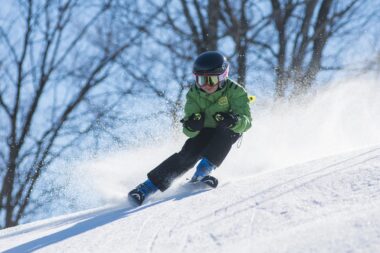
Winter sports are exhilarating, but they can also lead to numerous injuries. One of the most common ailments experienced by winter athletes is shin splints. This condition, known scientifically as medial tibial stress syndrome, occurs when excessive stress is placed on the shinbone (tibia) through activities like skiing or snowboarding. The repetitive impact on hard surfaces can cause pain, inflammation, and discomfort, particularly along the inner border of the shin. Conditions like shin splints are not uncommon among athletes engaging in high-impact winter sports. Proper treatment and understanding of shin splints are essential for athletes wanting to stay active and avoid long-term issues. Learning about the causes, symptoms, and preventive measures can help athletes and coaches alike. Prioritizing proper techniques and body conditioning is crucial to limiting the risk of developing shin splints. Alongside understanding injuries, nutritious diets and strength training programs hold significant relevance. Both factors contribute greatly to an athlete’s resilience against incurring injuries during winter sports activities. Only through education and preparation can athletes ensure they enjoy winter sports safely and effectively in overcoming challenges presented by shin splints.
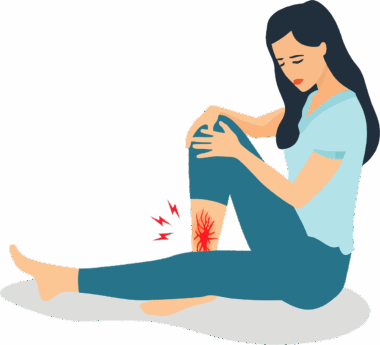
Shin splints manifest through a variety of symptoms that athletes should watch closely. Common indicators include tenderness, soreness, and pain along the shinbone. Runners often describe a sometimes sharp or even aching sensation that worsens during physical activity. Additionally, pinpoint pain when touching the inside of the shin is a strong indicator of this condition. Athletes may also experience varying degrees of swelling and inflammation around the affected areas. Since winter sports demand high physical exertion, it’s critical for athletes facing these symptoms to recognize when they need to rest. Symptoms tend to show up progressively, so athletes must take them seriously. Ignoring pain can lead to more severe injuries, such as stress fractures or compartment syndrome, which could sideline an athlete for much longer than if initial issues are addressed early on. Keeping track of sensations during training or competition can create awareness and help prevent worsening injuries. To aid in recovery, athletes should also focus on managing pain effectively. Applying ice, resting, and seeking medical advice when necessary will contribute to athletes returning to their sport in better health sooner.
Causes of Shin Splints
Shin splints can arise from various factors, many of which are prominent in winter sports. Overuse is often the leading contributor, especially for athletes who rapidly increase their training intensity or duration. Such increased demands on the legs can overwhelm muscle capability, leading to inflammation and pain. Furthermore, improper footwear can contribute significantly to the formation of shin splints. Wearing shoes that lack support or cushioning can amplify the impact on the shins during movements like skiing or snowboarding. Surface changes also play a role; transitioning onto harder surfaces can lead to greater stress on the legs. Environmental factors involving uneven terrains can challenge balance, which puts additional strain on calves and shins. Poor biomechanics, such as flat feet or weak ankles, can also lead to shin splints. Addressing these causes through appropriate training adjustments, selecting the right gear, and understanding body mechanics generally help mitigate injury risks. Early intervention remains key. Athletes should seek guidance from coaches or physiotherapists to customize their training appropriately, addressing any physical imbalance. This proactive approach ensures that athletes remain vigilant and healthier overall in their winter sports pursuits.
Treatment for shin splints emphasizes rest and recovery as the primary goals. Athletes experiencing shin splints should prioritize reducing activity levels to allow time for healing. Alongside rest, applying ice packs can help bring down inflammation and alleviate painful areas. Utilizing a regimen that includes strengthening exercises targeting the calf muscles or foot arches can also create resilience in the area after the initial rest phase. Once athletes begin to recover, a gradual return to activity should be encouraged. Strategies might include low-impact exercises, such as swimming or biking, further minimizing shin stress until the athlete can return to winter sports contact. Additionally, physical therapy has been proven highly effective for many athletes suffering from shin splints. A qualified physical therapist can design tailored treatment plans, addressing weakness while enhancing overall flexibility. Using modalities like ultrasound or electrical stimulation may also reduce inflammation and promote faster recovery. Caring for the body holistically with respect to rest, nutrition, and exercise will ensure that athletes find comfort in their activity again. Fostering resilience to injury leads to increased performance and enjoyment in winter sports, and that’s the ultimate payoff for motivated athletes.
Preventing Shin Splints
Preventing shin splints comes down to proper training and treatment plans carefully customized for winter athletes. Ensuring that athletes warm up appropriately before engaging in any sport is essential. Activities like light jogging or stretching can promote blood flow to the muscles, preparing them for intense physical exertion. Strength training becomes crucial, bolstering muscles that support the lower legs and feet, promoting overall stability. Athletes might also want to explore different footwear or insoles that provide better support, significantly cushioning against impact. Switching to softer surfaces when training—like packed snow versus hardened ice—can ease the strain on shins. Integrated cross-training regimens can help mitigate overuse and introduce variability into an athlete’s activities. Balancing time spent on various sports keeps muscles engaged differently, reducing the likelihood of injury. Athlete awareness plays a contributing role as well. Paying attention to early signs of discomfort and addressing issues, along with practicing rest and active recovery, contributes to overall health. Engaging in education about injury prevention techniques is vital, ensuring athletes possess the knowledge needed to care for their bodies efficiently as they pursue their winter sports aspirations.
Nutrition is often an overlooked aspect of an athlete’s overall health and performance, directly influencing their ability to fend off injuries like shin splints. Eating a well-rounded diet that includes complex carbohydrates, lean protein, healthy fats, and plenty of hydration supports general physical health. Calcium, vitamin D, and magnesium are essential nutrients for maintaining bone strength and resilience, while antioxidants can assist in faster recovery after intense training sessions. Applying nutritional strategies consistent with an athlete’s specific needs requires attention to energy output and muscle repair. Maintaining proper hydration helps keep the muscles and joints lubricated, reducing overall injury potential. Practicing good nutrition habits ensures that athletes recover faster and stay fit throughout the winter season. Engaging with sports nutritionists can help design meal plans that fit the training intensity and offer macronutrients and micronutrients crucial for spry performance. By combining effective nutrition with adequate training and mindset, athletes can achieve superior results in their sport while minimizing risk. Ultimately, a holistic approach to athlete health—incorporating training, rest, and nutrition—helps individuals become stronger and more resilient in the face of potential injuries, ensuring a more enjoyable experience while pursuing winter sports passions.
Conclusion: A Balanced Approach to Injury Management
Managing shin splints requires commitment from athletes to incorporate various strategies into their training. This balanced approach combines education, proactive measures, treatment, nutrition, and proper training protocols for injury prevention. Recognizing early signs of discomfort is the first step in avoiding long-term injuries, allowing for swift action and attention to recovery needs. Prioritizing rest and appropriate therapies ensures a faster return to peak performance. Engaging with coaches and healthcare professionals further cements an athlete’s understanding and capability to manage potential injuries effectively. By incorporating support strategies like cross-training, footwear evaluation, and consistent strength or flexibility exercises, athletes can enjoy safer winter sports experiences, bringing excitement and joy to their activities without undue strain on their bodies. Keeping the body well-fueled and strong alongside practicing effective recovery strategies promotes durability against shin splints and other injuries. Winter athletes can thrive while cherishing the joy of their favorite sports season. This collaborative effort with proper knowledge will empower athletes to harness their strength, minimizing injuries and maximizing enjoyment of winter sports traditions, leading to exhilarating experiences on the slopes and engaged communities of active individuals.
Overall, shin splints primarily stem from overuse and improper training mechanics, particularly in high-impact winter sports. Addressing risk factors and investing in preventive methods could drastically decrease the prevalence of shin splints among winter sports enthusiasts. Athletes embracing recovery strategies and proper nutrition, along with education on body dynamics, will build a foundation for sustained performance. A well-coordinated approach among trainers, athletes, and medical professionals serves to enhance awareness and treatment strategies that empower athletes. Recognizing their body’s needs while engaging in diverse and fun physical activities will not only promote longevity but also ensure athletes cultivate a deep love and appreciation for winter sports. As curiosity to participate in these thrilling activities persists, committing to informed risks leads to manageable injuries and fulfilled journeys. With shared experiences and stories, winter athletes will foster friendships, camaraderie, and communities around these beloved sports, enhancing resilience and joy. Emphasizing mental well-being alongside physical strength ensures athletes flourish every winter season with unique skills and stories. The thrill of winter sports awaits every adventurer when equipped with knowledge, skills, and the passion that drives challenges in the snow.