
Understanding the Halfpipe Event in Snowboarding Competitions
The halfpipe event is a highlight in the world of snowboarding competitions, attracting athletes and spectators alike. Defined by its unique structure, the halfpipe consists of two vertical walls that create a U-shape, designed to assist snowboarders in performing aerial tricks and maneuvers. Snowboarding involves players navigating this structure while executing spins, flips, and other complex motions that showcase both style and technical skill. Competitors aim to navigate from one wall to the other without losing momentum and displaying creativity in their routines. Judges evaluate each performance based on various criteria, including the difficulty of the tricks, execution, and overall impression. To excel in halfpipe events, riders must possess not only skill and technique but also the courage to take risks and innovate their runs. The atmosphere during competitions becomes electric, with fans cheering on their favorite athletes, creating a sense of camaraderie that defines the sport. With its combination of athleticism, artistry, and adrenaline, understanding what the halfpipe entails is essential for fans who wish to appreciate the intricacies of snowboarding competitions fully.
Halfpipe competitions are not just about individual performances; they represent a cultural phenomenon within winter sports. This event requires snowboarders to master techniques that are both physically demanding and visually stunning. Judges focus on various elements during a rider’s performance, including height, amplitude, and the variety of tricks performed. Tricks can range from straightforward spins to intricate combinations that showcase an athlete’s creativity. The complexity of the maneuvers adds to the suspense as the crowd holds its breath for each jump and rotation. Additionally, innovative tricks can result in higher scores, making originality a crucial aspect of competition. Athletes often train for years to hone their skills and develop unique tricks to catch the eyes of judges and spectators alike. The halfpipe serves as a platform for personal expression, allowing snowboarders to push the boundaries of their sport. Winter sports enthusiasts eagerly await these competitions, as emerging trends and patterns typically surface during these showcases. The fusion of snowboard culture and competitive spirit makes halfpipe contests a must-see during the winter season.
The Importance of Training in Halfpipe Competitions
Training is vital for athletes participating in halfpipe snowboarding competitions. It includes physical conditioning, technical rehearsals, and mental preparation required to excel. Athletes typically work with coaches who specialize in developing routines that highlight their strengths while mitigating weaknesses. This coaching moment allows them to refine their techniques and improve their competitive edge. In preparation for competitions, snowboarders participate in rigorous workouts to build core strength and endurance, essential for executing high-performance maneuvers within the halfpipe. Moreover, practice runs allow competitors to identify which tricks can be performed successfully within the allotted time. Snowboarders also focus on perfecting their landings, as a clean landing can significantly improve their scores and overall performance. Mental orientation is equally crucial since the pressure of competition can induce anxiety. Athletes develop strategies to remain focused and composed in high-pressure moments, which is often the key to a successful routine. Ultimately, effective training can make or break a competitor, laying the groundwork for impressive performances and solid results on the snowboarding stage.
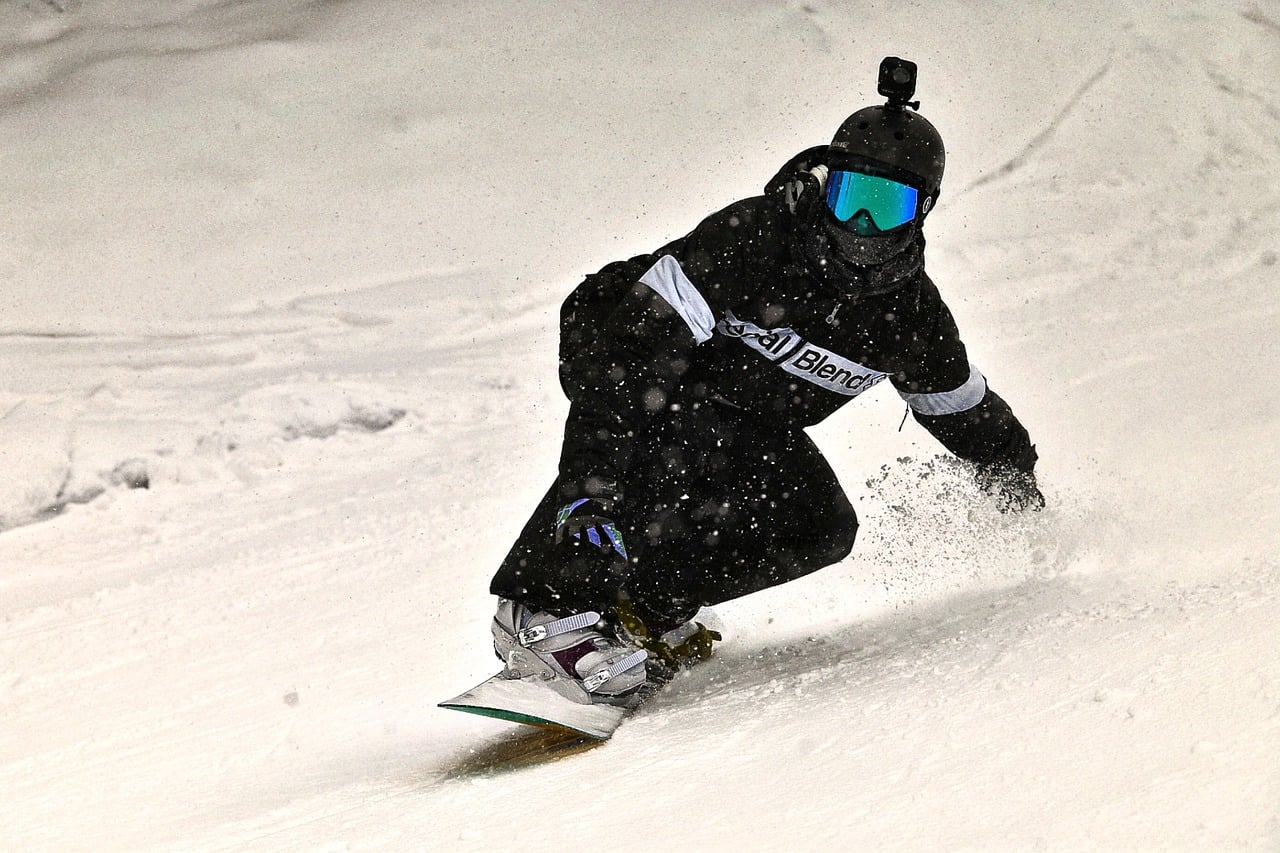
Another essential aspect of halfpipe competitions is the equipment utilized by snowboarders. Competitive athletes often have access to high-performance gear that enhances their control and stability on the halfpipe. Snowboards designed specifically for halfpipe events feature unique shapes and flex patterns catered to maximizing the rider’s potential during aerial maneuvers. Additionally, high-quality bindings and boots contribute to an athlete’s overall performance, allowing for better response and comfort during intense routines. Equipment choice can impact the ease with which a snowboarder executes tricks, thus playing a significant role in the outcome of each competition. Many competitors spend considerable time customizing their gear to match their personal preferences and styles, ensuring they feel confident and capable when competing. Innovations in snowboarding technology allow for continuous improvement and refinement of competition gear. As athletes strive for perfection, the right equipment combined with skill and training can lead to remarkable achievements on the halfpipe. The relationship between an athlete and their gear is an ongoing journey, reflecting the dedication required in the sport.
The Role of Judges in Snowboarding Competitions
Judges play a crucial role in the evaluation process during halfpipe competitions. Comprised of experts within the sport, these individuals assess each athlete’s performance based on established criteria. They are responsible for ensuring that scoring remains fair and consistent across all competitors. Scoring typically involves various elements, including difficulty, execution, amplitude, and overall composition of the routine. Individual judges provide insights that are then averaged to determine the final score for each snowboarder, reflecting their performance’s quality. The subjective nature of judging allows for personal interpretations; therefore, judges must have substantial experience and training in the sport. To avoid bias, judges rotate throughout competitions, ensuring that the evaluation process remains transparent and impartial. Judges’ decisions can have lasting implications for athletes’ careers, as high scores can lead to sponsorship deals and future opportunities. Furthermore, athletes often engage in discussions with judges post-competition to gain feedback and improve their routines for future events. Understanding the judging process enriches the viewer’s experience, fostering greater appreciation for the complexities of snowboarding competitions.
The atmosphere surrounding halfpipe competitions significantly contributes to their excitement and allure for both athletes and spectators. Raucous crowds filled with passionate fans build an electric environment that fuels the snowboarders’ adrenaline. This energy not only enhances the overall viewing experience but also impacts athletes’ performances positively. Athletes thrive under pressure, often finding inspiration from the crowd’s reactions during their runs. When an audience erupts in cheers, athletes feel encouraged to attempt more complex and daring tricks, elevating the competition’s intensity. Additionally, the festival-like atmosphere often includes music, merchandise stalls, and food vendors, creating a vibrant snowboarding community. This celebration can serve to unite participants and spectators alike, fostering camaraderie among snowboarding enthusiasts despite their diverse backgrounds. Winter sports events also provide venues to spotlight new talent while continuing to grow the sport’s popularity. The enthusiasm generated by halfpipe competitions can propel participants into long-lasting careers, ultimately shaping the future of snowboarding. Taking part in such thrilling environments emphasizes the importance of supportive communities in winter sports.
Future Trends in Snowboarding Competitions
As the world of snowboarding evolves, so do the trends observed in halfpipe competitions. Athletes now focus more on innovation and creativity, pushing boundaries beyond traditional routines. This shift aims to showcase not merely technical prowess but also a distinct personal touch in performances. Social media platforms have gained prominence for sharing skills and routines, often becoming mediums through which competitors promote themselves and the sport. Engaging with fans through virtual interactions has allowed snowboarders to generate buzz around upcoming competitions, significantly influencing participation levels. Technology advancements continue to shape the sport, with new equipment enhancing performance and safety. The trend of combining disciplines, such as snowboarding with other extreme sports like parkour, is also emerging, broadening the appeal and excitement of competitions. It is essential for athletes and coaches to stay current with these trends to maintain competitiveness. Ultimately, the snowboarding world consistently adapts, embracing change and influencing future events, ensuring that the captivating nature of the halfpipe never wanes. Snowboarding competitions are poised to remain an iconic feature of winter sports, drawing in enthusiasts year after year.
In conclusion, halfpipe events within snowboarding competitions encapsulate the spirit of adventure, creativity, and athletic excellence. Competitors face numerous challenges as they navigate their sport, yet their passion ignites inspiration among fans globally. The unique combination of training, skill, and technological advancements propels these athletes to new heights. The excitement fostered by their performances exists not only as entertainment but also as a statement about the perseverance required in extreme sports. As halfpipe competitions continue to attract diverse audiences, strategies to elevate the sport’s profile remain vital. The collaborative efforts among athletes, sponsors, and event organizers contribute to growing the snowboarding community and sustaining the sport’s popularity. Through the lens of halfpipe competitions, an enduring commitment exists to push boundaries, encouraging both established competitors and newcomers alike. With each season, fans look forward to witnessing breathtaking performances that redefine the parameters of the sport. Embracing the thrilling moments of these contests keeps the community united and engaged. The journey of understanding halfpipe events is beneficial for everyone involved, promoting appreciation for the artistry and skills exhibited in the ever-evolving realm of snowboarding.