
Beginner’s Guide to Handstand Challenge: Step-by-Step Progression
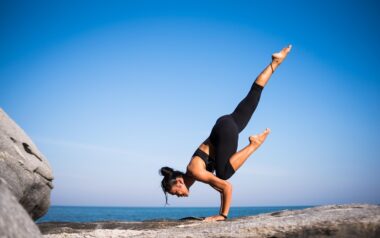
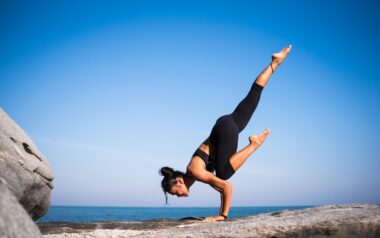
The handstand is more than just an impressive display of strength and balance; it is a challenging skill that requires dedication, practice, and patience. For fitness enthusiasts aiming to master this skill, learning a structured progression is vital. Start by developing your shoulder mobility and core strength. These foundational elements are critical as they enhance your overall stability while in an inverted position. Begin with exercises like downward dog and pike push-ups to create an upper body foundation. Follow these exercises with core-strengthening routines, such as planks and hollow body holds. Additionally, invest time in wrist mobility to prevent injuries and ensure comfort during training. Gradually, as your stability improves, incorporate wall exercises to build confidence. Standing against the wall allows you to kick up into the handstand position while maintaining safety. This method provides a solid structure for learning, ensuring that you don’t rush into unsupported handstands without the necessary strength and control. Remember that progress takes time, and understanding your body is crucial for success in achieving the handstand.
As you become more comfortable with your supported handstand against the wall, it’s time to explore other variations that promote balance and strength. One effective approach includes the use of a wall for kick-ups. This technique involves positioning yourself a few inches from the wall and kicking up into a handstand. Once stable, practice balancing your body and shifting your weight slightly to develop control. Make sure to use a spotter when needed for safety. Another useful progression is the freestanding kick-up. When you feel strong enough, practice transitioning from a standing to a handstand without relying heavily on the wall. This exercise will build confidence and control. Additionally, trial holds are crucial for enhancing stability. Aim to hold your freestanding handstand for short durations. This will improve your balancing skills and condition your shoulders. Remember to focus on your breathing while in the handstand position, as it helps maintain a calm mind and body. Gradually increase your hold times as you become proficient. The combination of practice and patience will lead to success in achieving a solid freestanding handstand.
Safety Tips for Handstand Training
When undertaking the handstand challenge, prioritizing safety is essential. Falling is a common part of the learning process, so you must take precautions to reduce the risk of injury. Always practice in a safe environment with enough space around you to minimize potential hazards. Using supportive mats or soft surfaces during training can help absorb impact during falls. Furthermore, warm-up sessions should not be overlooked; they prepare your body for the physical demands of handstands. Focus on dynamic stretches for your wrists, shoulders, and back to improve flexibility while lowering injury chances. Assess your physical limitations and only progress at your own pace. If you experience pain or discomfort, it’s crucial to pause and evaluate your practice routine. Consulting with a fitness professional can also be beneficial for tailored guidance and feedback. Be attentive to your body’s signals, as they indicate when to push forward or step back. Regularly review your form in a mirror or with video, as this can offer insight into areas needing improvement and adjustments prior to falling. Staying injury-free while striving to perfect your handstand adds to the overall benefits.
Once you feel confident in your handstand skills, it’s beneficial to incorporate handstand variations into your routine. These variations will not only keep your practice engaging but also build different muscle groups. Start with handstand push-ups; they enhance upper body strength while maintaining your balance. Progressive training can include a variety of handstand holds, like the tuck or straddle variations, which help improve overall stability. Exploring multiple variations can keep your workouts fresh and exciting. Another interesting option is the one-arm handstand, an impressive feat requiring immense balance and strength. To work toward this, practice shifting your weight onto one arm while keeping your legs together or in a tucked position. This transition requires time and patience, so have realistic expectations as you work on it. Remember, each variation demands concentrated training to perfect. Consider incorporating yoga or gymnastic-style workouts that emphasize balance and flexibility. The key to successful adaptation lies in continuous practice and a well-rounded workout routine that challenges your body differently, thus enhancing your muscle engagement and stability in the handstand.
Tracking Your Progress
A vital part of the handstand journey is effectively tracking your progress. Documenting your training sessions can provide insight into your improvements and challenges. Use a notebook or a digital application to keep track of your daily exercises, hold times, and feelings associated with each session. This documentation will help identify patterns in your progress, as well as potential areas needing refinement. Additionally, setting realistic milestones will help you maintain motivation and focus. These milestones can be short-term, such as achieving a set number of hold seconds, or long-term, like maintaining form during a full freestanding handstand. Celebrate each small achievement, encouraging yourself to continue. Regularly reflecting on your recorded achievements provides insights into your development, reinforcing persistence in training. Sharing your journey on social media or with friends may also inspire and motivate you towards your goals. Training is often more enjoyable when you have a support system. By incorporating feedback from trusted sources or coaches, you can adapt your methods for continued improvements, ensuring that your handstand journey remains positive and fulfilling.
As you advance in your handstand skills, remember that patience and consistency are critical elements in mastering this challenging exercise. Celebrate every success, no matter how minor it may appear, and maintain a growth mindset. Each step you take regarding your handstand ability signifies progress, contributing to your overall fitness journey. Incorporate cross-training activities such as yoga or pilates that strengthen your core and improve flexibility. These practices can balance out your strength training, enhancing your overall performance. Moreover, diversifying your workouts can prevent burnout and keep your training enjoyable. Scheduling regular rest days is equally essential; they allow your muscles to recover and rebuild, preventing injuries from overtraining. Use this time to reflect on what areas you want to improve, or simply embrace the fun aspect of your fitness journey. Achieving a solid handstand does not happen overnight, so embrace the learning process. The key lies in consistently showing up, maintaining focus on your goals, and practicing regular adjustments. Over time, this commitment will undoubtedly lead to mastering the full handstand and enhancing your overall fitness capability.
Conclusion and Final Thoughts
In conclusion, mastering the handstand is a rewarding and worthwhile endeavor. By following a structured progression and emphasizing safety, you can achieve your goal of holding a solid handstand. Remember to focus on building foundational strength and flexibility while maintaining patience throughout your training journey. It’s essential to celebrate progress milestones, no matter how small, as these small victories are vital for motivation. The road to perfecting your handstand requires dedication and continued practice, but the journey itself can be just as fulfilling. Furthermore, tracking your progress is indispensable for recognizing areas of success and needed improvement. Don’t hesitate to seek support from fellow fitness enthusiasts or professionals who can offer valuable guidance along the way. As you develop your handstand skills, explore various handstand variations and adapt your routine regularly to maximize engagement and results. Ultimately, achieving a freestanding handstand is not just a feat of strength—it symbolizes hard work, resilience, and patience. By committing to your fitness goals, you’ll discover newfound strength, balance, and confidence, leading you to an empowered fitness journey.
Keep pushing your limits and enjoy the process!