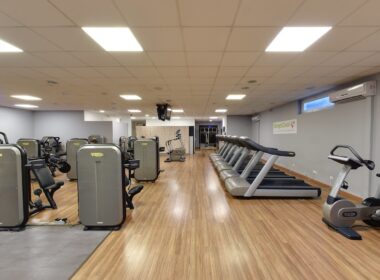

Benefits of Outdoor Versus Indoor Aerobic Exercise
Aerobic exercise is essential for maintaining cardiovascular fitness, and it can be done both outdoors and indoors. Choosing between these two exercise environments can significantly influence overall enjoyment and effectiveness. One primary advantage of outdoor aerobic exercise is the diverse scenery that can uplift your mood. Many people find themselves more motivated while exercising amidst nature. Fresh air and natural light contribute to a better workout experience. In contrast, indoor aerobic exercise often provides more control over environmental factors like temperature, humidity, and air quality. Gyms or home setups usually have designated exercise equipment, allowing for varied workout routines. The choice between outdoor and indoor workouts might also depend on personal preferences. Some people enjoy the social aspect of exercising in gyms or classes, while others prefer solitary runs in a park. Ultimately, both settings have unique benefits, and the right choice may vary from person to person. Balancing both options might yield the best overall results for fitness enthusiasts.
When it comes to calorie burning, outdoor aerobic exercise often has an edge. Wind resistance during activities like running or cycling outdoors can increase calorie expenditure compared to the controlled conditions of gym workouts. Factors such as inclines, varied terrains, and climate add additional levels of intensity. This can lead to enhanced fitness gains. Outdoor exercisers may also engage in interval training more naturally than in a gym setting, seamlessly switching between paces and intensities. Moreover, natural surroundings can provide mental stimulation, making workouts feel less monotonous. On the other hand, indoor aerobic exercise offers a structured and predictable routine. Fitness equipment, like treadmills and stationary bikes, often have built-in programs to help users track their performance and log their workouts. This can be encouraging for those focused on measuring progress. Instructional videos and online classes can also enrich indoor sessions, allowing access to professional guidance without needing to step outside. Hence, both aerobic environments can be effective for achieving cardiovascular fitness, depending on individual preferences.
Psychological Benefits of Aerobic Exercise
Engaging in aerobic exercise contributes significantly to mental well-being. Many studies have shown that outdoor workouts correlate with reduced stress levels and improved mental clarity. The combination of physical activity and nature exposure is known to enhance mood and alleviate symptoms of anxiety and depression. Natural sunlight increases serotonin levels, promoting feelings of happiness and relaxation. Similarly, outdoor aerobic activities can serve as a sense of escapism, helping people disconnect from daily stressors. In contrast, indoor exercise can also provide psychological benefits but may lack the therapeutic effects of nature. However, the social interaction experienced in gyms can create motivation and a sense of community. Group classes offer a chance to connect with others, combating feelings of isolation associated with exercise. On the flip side, solitary workouts allow individuals to focus on personal goals without the distraction of others. It’s vital to balance individual preferences for socializing and self-reflection. In summary, both outdoor and indoor aerobic exercises provide psychological advantages that enhance overall wellness and fitness motivation.
Environmental considerations also play a crucial role in deciding between outdoor and indoor aerobic exercise. Weather conditions can limit outdoor exercising options. Rain, snow, extreme heat, and cold can affect comfort and safety, potentially discouraging consistent workouts. Indoor facilities are typically climate-controlled, allowing for year-round access regardless of external conditions. Yet, outdoor workouts can serve as a refreshing break from confinement indoors. For nature enthusiasts, beautiful parks or various landscapes make every workout a unique experience. Moreover, engaging with the environment has a strong appeal; sights, sounds, and smells stimulate the senses. On the other hand, indoor facilities also come with certain benefits, such as group classes that have structured workouts. This social engagement can increase motivation levels and provide a better workout experience for those requiring accountability. Each environment presents unique advantages and limitations; considering these factors can enhance the exercise experience. The important takeaway is that both environments have their merits. Even the combination of both can lead to maintaining a consistent and enjoyable aerobic routine.
Cost and Accessibility Factors
Cost and accessibility can also influence the choice between outdoor and indoor aerobic exercise. Many individuals find outdoor options to be more financially feasible since basic aerobic activities such as walking or running require little to no investment. Parks and trails are typically free, allowing people to exercise without subscription fees or equipment purchases. This accessibility opens opportunities for varied communities to participate in aerobic activities. Conversely, indoor facilities often require memberships or fees for classes and access to specialized equipment. For those on a budget, outdoor workouts can accommodate individual needs without financial strain. However, indoor gyms may offer a wide range of exercise classes and programs that can enhance aerobic fitness. Access to fitness instructors can also provide valuable knowledge and motivation. Balancing both options can be cost-effective, allowing users to explore the benefits of each setting while maximizing their fitness potential. Individuals can alternate between outdoor activities and indoor routines to enjoy diverse experiences without sacrificing financial resources.
Personal motivation is the cornerstone of sustaining an aerobic exercise routine, whether it is indoors or outdoors. The variety of settings can significantly impact workout enthusiasm. Many find that changing environments invigorates their workout, reducing the potential for boredom. Outdoor workouts offer seasonal variety, allowing people to adapt their routines according to nature’s changes. For instance, exercising during autumn can feature stunning foliage, uplifting one’s spirits while exercising. On the other hand, indoor workouts provide a controlled setting suitable for year-round consistency, focusing on specific fitness goals. This predictability can help individuals stay committed when the weather outside is dismal. Moreover, the motivation provided by engaging in group classes or fitness challenges in a gym can deliver social incentives that participants might seek. Ultimately, discovering the right mix of indoor and outdoor exercises may help maintain long-term commitment. Each setting has unique attributes, offering different motivational triggers that enhance and sustain aerobic fitness. The right approach may vary depending on individual inclinations, showcasing the importance of finding the ideal workout environment.
Conclusion
In conclusion, both outdoor and indoor aerobic exercises deliver substantial benefits for cardiovascular fitness. Choosing the right environment hinges on personal preferences, motivation levels, weather considerations, and access to facilities. Some individuals thrive in the fresh air with nature’s vibrant influence, while others appreciate the structure and accountability of indoor workouts. Both settings can cater to diverse fitness levels and goals, demonstrating their versatility. Engaging in various aerobic activities can help prevent burnout and sustain enthusiasm in the long run. Balance is essential; alternating between outdoor and indoor options keeps things fresh and enjoyable. Committing to a well-rounded fitness routine enhances overall health and well-being. Those unable to decide may also choose to combine both environments strategically to maximize their benefits. Awareness of underlying psychological factors and environmental influences can engage individuals more deeply in their fitness journeys. It’s essential to remain adaptable and willing to explore all the avenues available for improving cardiovascular fitness. Each exercise setting has valuable contributions, making the journey toward fitness both effective and fulfilling.
Ultimately, the choice between outdoor versus indoor aerobic exercise is a personal one. Identifying the environment that fits individual preferences, habits, and lifestyles is crucial for success. The cardiovascular benefits of aerobic exercise are undeniable; therefore, selecting the best suitable environment fosters long-term commitment. Each individual’s fitness journey is unique, offering countless opportunities to cultivate a healthier lifestyle, regardless of setting. By understanding the benefits provided by both outdoor and indoor aerobic exercise options, fitness enthusiasts can tailor their workouts to their needs. Adapting workout routines to fit various situations can keep individuals motivated, regardless of setbacks or obstacles. It’s essential to remember that consistency is key. With the right environment, patients can continue their paths toward improved cardiovascular health while finding joy in the process.