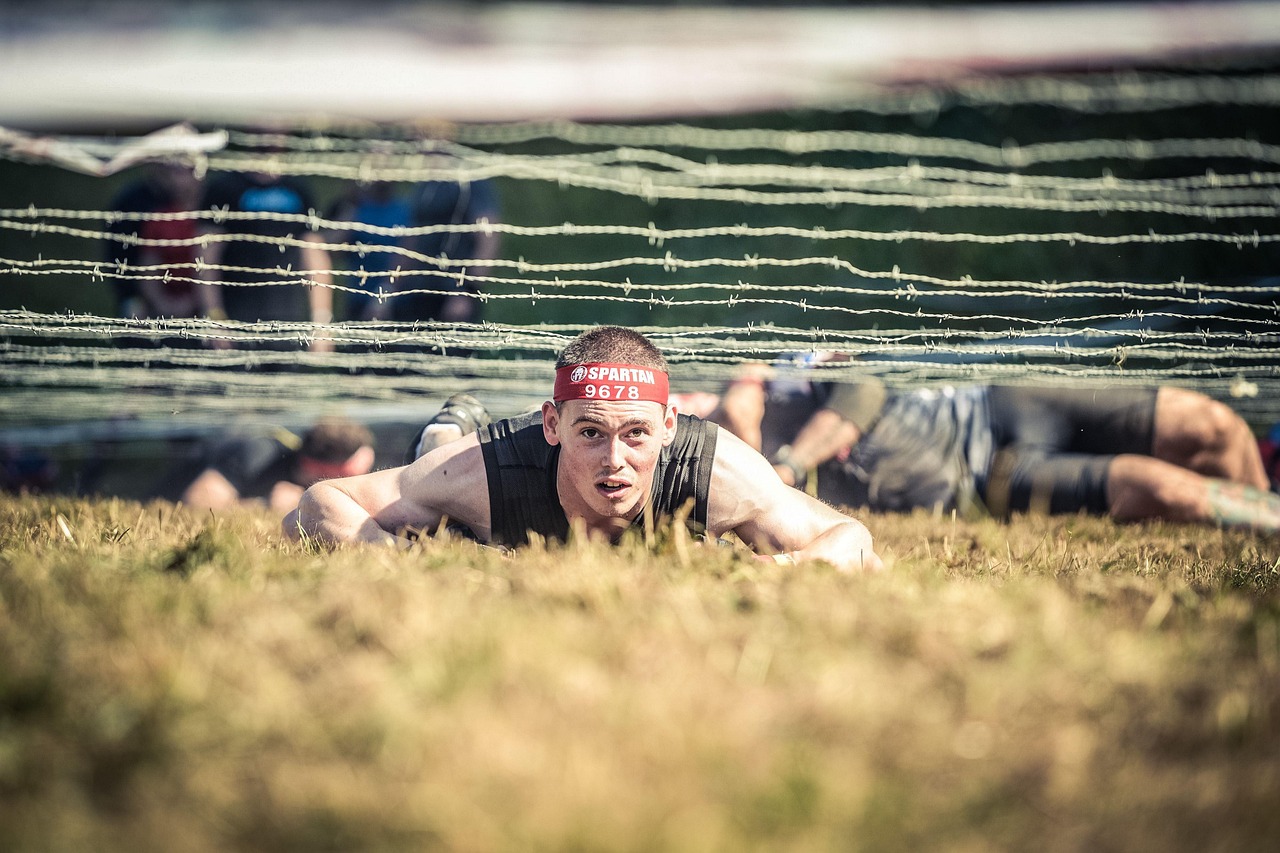

Building Lower Body Power with Leg Press Machines for OCR
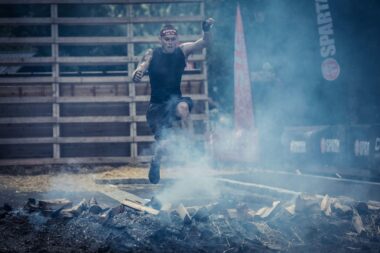
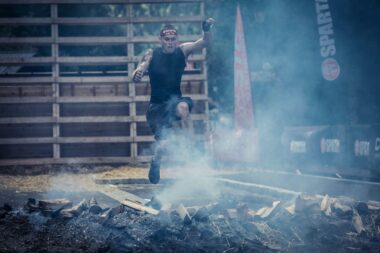
Obstacle course racing (OCR) demands exceptional strength and endurance, particularly in the lower body. Leg press machines serve as essential tools for athletes looking to enhance leg power and build muscle in the quads, hamstrings, and glutes. Engaging with these machines correctly allows for targeted training, which is crucial for improving performance in various OCR obstacles. A well-constructed leg press machine can help generate explosive leg power, essential when facing inclines, jumps, and sprinting segments. Moreover, the controlled environment they provide reduces the risk of injuries compared to free weight exercises. Athletes who integrate leg press training into their routine not only bolster endurance but also gain the stability needed for diverse movements on the course. Trainers frequently recommend these machines for their ability to isolate and strengthen the legs effectively. Beyond muscle enhancement, leg presses contribute to overall athletic performance. In conclusion, incorporating leg press machines into an OCR training regimen can significantly improve lower body power. Start focusing on this vital training aspect, and unlock your full OCR potential.
To maximize the benefits from leg press machines, understanding proper form and technique is crucial. A common error is placing feet too low on the platform, which may lead to strain or injury. Instead, position your feet at shoulder-width apart, ensuring that your knees track in line with your toes. As you lower the platform, do so until your knees are at a 90-degree angle, and then push through your heels to return to the starting position. Maintaining a straight back and engaging your core throughout the movement is essential for a successful workout. A variation to consider is adjusting the foot position to target different muscle groups; for instance, placing your feet higher emphasizes the glutes and hamstrings. Conversely, a lower position can isolate the quads more effectively. Additionally, varying your rep and set schemes can prevent plateaus. For OCR athletes, including higher rep ranges helps build endurance while strength training. As you progress, consider adding weight to challenge your limits, ensuring a well-rounded lower body workout that supports OCR success.
Choosing the Right Leg Press Machine
When selecting a leg press machine, consider various factors to find the model that best suits your needs. First, examine the construction and design; a solid frame should provide both stability and safety during your workouts. Look for machines with adjustable seats to cater to individuals of different heights. Additionally, ensure that the machine has a smooth motion during the press, which prevents strain on joints. Another important aspect is the weight stack or plate loading options; sufficient resistance is crucial for muscle development. Choosing a model with a varied weight range allows you to progress as you get stronger. Another consideration is the machine’s footprint; if space is limited, opt for a compact design without sacrificing stability or features. Lastly, reviews from other users can provide valuable insight into the effectiveness and durability of a specific model. By taking these factors into account, you can make an informed decision and invest in a leg press machine that aids in achieving your OCR goals. Investing wisely will pay off in your training routine.
Proper programming is key for effective leg press workouts, ensuring that leg strength develops alongside endurance needed for OCR. As previously mentioned, varying your rep ranges is beneficial for progressing strength and endurance. A good starting point may include a cycle of low repetitions at higher weights to build max strength combined with a cycle of high repetitions at lower weights to enhance muscular endurance. You may also incorporate drop sets toward the end of your workout, where you reduce the weight after reaching failure and continue until exhaustion. This method accelerates muscle fatigue and stimulates growth. Timing also plays a crucial role; prioritize leg press workouts on days when your overall energy levels are high. Ensure that your legs are well-recovered before tackling heavier sessions, as fatigue can compromise your exercise form and lead to injury. Additionally, mixing in other lower body exercises, such as lunges or squats, will promote greater muscle engagement overall. By strategically planning your leg press workouts, you’ll develop strength that directly translates to improved performance on the course.
Supplementing Your Training
While leg presses build essential lower body strength, supplementing this training with other exercises is vital. Mobility work should be prioritized, including dynamic stretches and foam rolling to maintain flexibility in the legs and hips. Improved mobility can enhance overall performance on various obstacles, making movements smoother and more efficient. Plyometric training is another great complement, incorporating exercises like box jumps or jump squats that develop explosive power. Such activities improve your quickness and reaction times throughout the course. Additionally, working on your cardiovascular fitness is crucial; consider incorporating hill sprints or interval training sessions to ensure you can sustain energy during longer races. Strong aerobic conditioning will help you navigate obstacles more effectively and recover more quickly between exertion bursts. Moreover, strengthening your core with planks or rotational exercises enhances stability and balance, vital for maintaining control over uneven terrain. By diversifying your training approach, you’ll be well-prepared to tackle the diverse challenges of OCR without risk of overtraining specific muscles.
The importance of nutrition cannot be overlooked when training for OCR and utilizing leg press machines. Eating a balanced diet rich in proteins, healthy fats, and carbohydrates is paramount to fuel your workouts and recovery. Focus on consuming lean proteins for muscle repair after intense sessions, along with complex carbs that provide the energy essential for high-intensity training. Stay hydrated, as dehydration can negatively impact performance and recovery. Use a mix of pre-and post-workout meals to optimize your energy levels; consider snacks that include protein and carbohydrates for refueling. Meal prepping can be an effective strategy, allowing you to maintain quality nutrition while managing a busy training schedule. Also, consider timing your nutrition intake properly; consuming quality protein within 30 minutes post-workout aids in muscle recovery and development. Supplements may also be beneficial, like branched-chain amino acids (BCAAs) to support muscle recovery. Ultimately, prioritize your nutrition alongside strength training to ensure optimal performance in obstacle racing. By blending all components, your OCR performance will see significant improvements over time.
Conclusion: Elevate Your OCR Performance
Incorporating leg press machines into your obstacle course racing training can significantly enhance your lower body power, translating into better performance across various challenges. With the right technique, programming, and complementing exercises, leg presses can help you achieve superior strength and endurance. Remember that the journey requires dedication; consistency in both training and nutrition will yield substantial payoffs during races. Always ensure to listen to your body, adjusting your workouts based on fatigue and recovery. Additionally, consider incorporating different types of strength equipment to create a well-rounded fitness routine that promotes versatility and agility. Investing in proper leg press machines, along with attentive training strategies, creates a solid foundation for OCR success. As you build strength, also focus on flexibility, cardiovascular fitness, and adequate nutrition to support your athletic performance fully. Embrace the challenge of training and commit to pursuing excellence on the course. Your ongoing efforts will unlock your true potential in obstacle racing, positioning you for impressive personal achievements and race results.
Overall, leg press machines serve as powerful tools in your training toolkit. They not only build the necessary muscle power but also help prevent injuries when used correctly. Ensuring proper form and employing various strategies allows you to maximize your gains while minimizing risks. Achieving a combination of strength and endurance will help you navigate any obstacle course you face. Prioritizing lower body workouts will create a solid foundation for all your racing endeavors. Make adjustments as needed, keeping your goals in mind while pushing limits. Remember that every small improvement matters tremendously, leading to improved performance. As technology advances, stay informed about the best practices and equipment. Utilize resources available online, such as instructional videos or forums, for further guidance to refine your approach. Finally, challenge your limitations and embrace the process of improvement, knowing that every effort pays off. Good luck in your OCR journey, and remember that with consistent training complemented by proper nutrition and strategy, achieving your goals is within reach!