
Common Mistakes to Avoid in Triathlon Swimming
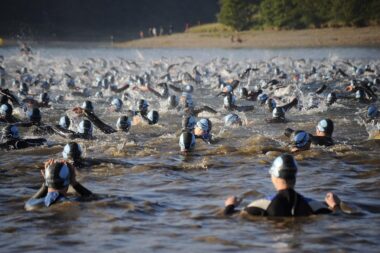
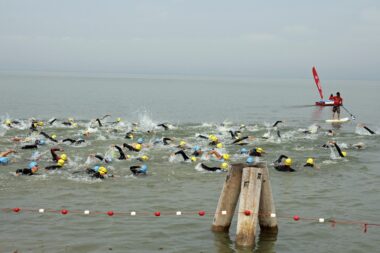
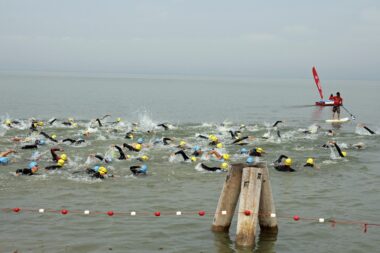
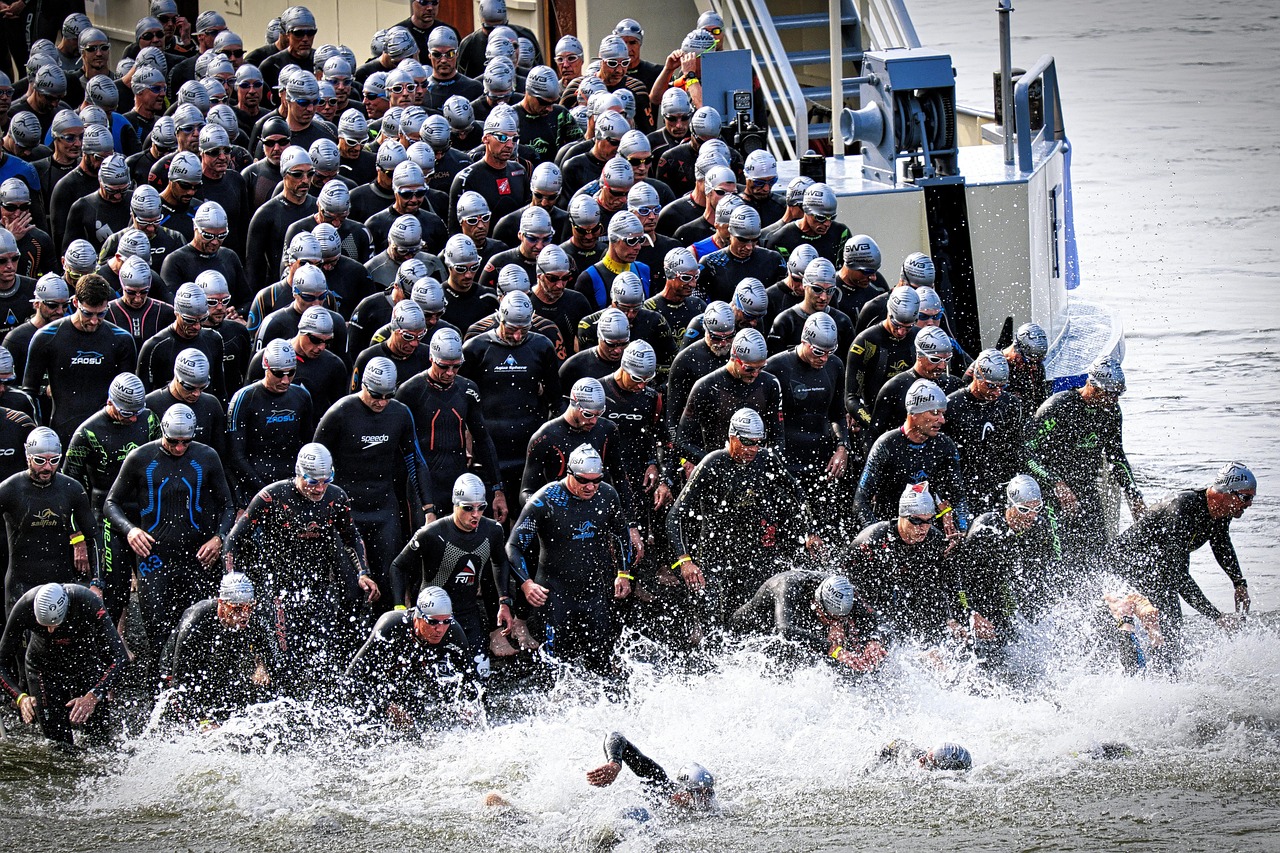
Triathlon swimming can be challenging, particularly for those who are new to the sport. One common mistake is neglecting proper technique. Many athletes focus solely on endurance and speed rather than mastering the basic strokes of freestyle and breathing patterns. Effective technique not only enhances speed but also reduces fatigue, allowing for a smoother transition to the cycling segment. Additionally, it’s essential to incorporate lap drills specifically designed to improve form. Ignoring this aspect may lead to inefficient swimming habits that could hinder performance during races. Another mistake involves using the wrong types of gear. Many swimmers skip essential training equipment like wetsuits, swim caps, and goggles. Each of these items plays a critical role in performance and comfort, so ensure proper fit and functionality. When shopping for gear, prioritize quality over price, as investing in a good wetsuit can remarkably improve buoyancy and hydrodynamics. Finally, one must familiarize themselves with open water swimming conditions, including sighting techniques to stay on course. These factors can significantly impact your overall triathlon experience and performance on race day.
Another frequent error that triathletes make is underestimating the importance of hydration. Many focus on their cycling and running nutrition but forget that swimming also demands adequate hydration before entering the water. Dehydration can lead to fatigue, reduced concentration, and even poor performance. It’s crucial to establish a routine that includes proper hydration before and after your swim training sessions. This prepares you mentally and physically for your triathlon. Additionally, consider the temperature of the water you will be swimming in. Cold water can lead to a drop in body temperature, rendering you less effective during the race. Regular practice in similar conditions helps acclimatize your body. Similarly, many participants neglect the mental aspect of swimming in a triathlon. Developing a strong mindset can significantly improve race outcomes. Visualization techniques, where you picture your strokes and breathe rhythmically, can create a positive mental state. Practicing deep breathing exercises is also beneficial for maintaining calmness and focus. Establishing these mental strategies can enhance your overall performance in both training and competition.
Optimizing Your Training Plan
A well-structured training plan is essential in avoiding common triathlon swimming mistakes. One common issue is overtraining without adequate recovery periods. Continuous intensive workouts can lead to burnout and diminish overall performance. Therefore, it’s vital to incorporate rest days and lighter training sessions into your plan. Create a weekly schedule that balances swim training, cross-training, and rest. Additionally, varying the intensity and volume of your swim workouts can help maintain motivation and improve endurance. While long-distance swims are crucial, don’t forget to include high-intensity interval training (HIIT) to build speed and stamina. Most importantly, seek regular feedback on your performance, whether through a coach or video analysis. This feedback can provide valuable insights, allowing you to correct technique errors before they become habits. Another critical aspect is to practice transitions, as they can greatly affect your race performance. Consider your transition area when training in open water, rehearsing the necessary steps for a smooth changeover. By optimizing your training plan with these considerations, you will enhance your readiness for race day.
Many triathletes also fail to develop a comfortable breathing pattern. Improper breathing can lead to panic, especially in open water settings where conditions are unpredictable. Ensure that you practice bilateral breathing, which allows you to breathe on both sides. This technique not only improves your stroke but can also enhance your situational awareness in the water, keeping you calm and collected. Alternating your breathing pattern can prevent muscle fatigue on one side and improve symmetry in your stroke. Another common mistake involves not practicing wetsuit swimming before competition day. This can lead to unpleasant surprises regarding buoyancy and restricted movement. Before race day, make a habit of training in your wetsuit to familiarize yourself with the feel and performance characteristics. Don’t overlook the importance of acclimatizing to the water temperature and conditions you will encounter, as this can significantly affect your comfort level during the race. Furthermore, utilizing various training sessions, such as pool swims for speed and open water for endurance, can help you prepare comprehensively.
The Role of Mental Preparation
The psychological element of triathlon swimming is often overlooked. Athletes frequently focus on only the physical aspects, neglecting the importance of mental fortitude. Developing a pre-race routine can optimize your performance. Visualization exercises, where you mentally rehearse your swim, can instill confidence and ease anxiety. Additionally, learning mindfulness techniques can help you remain focused and present during competition. This concentration can enhance your performance by minimizing distractions. On race day, reduce stress by familiarizing yourself with the course. Knowing where to swim, sighting landmarks, and understanding any potential challenges can make a significant difference in your performance. Don’t forget about the value of teamwork and camaraderie among fellow triathletes. Join swim clubs or training groups to share experiences, challenges, and successes. Collaborating with others elevates motivation, introduces new training techniques, and fosters a supportive environment. Keep a positive mindset and be open to feedback; this adaptability is crucial for improvement.
In addition, make sure to monitor your technique throughout your training sessions. Many athletes fall into the trap of automating their strokes without analyzing their form. Utilize drills to breakdown each stroke and work on specific weaknesses. For instance, consider practicing catch-up drills to improve your stroke efficiency, or single-arm swimming to enhance your balance. Each facet may seem minor, but collectively they play an integral role in your overall speed and efficiency. Developing a strong pull through the water can drastically improve your times. Using swim paddles can increase drag and help build muscle strength. However, ensure you’re following a structured interval plan to avoid injury. Practicing swim sets that focus on both speed and distance can round out your workouts. Ultimately, never underestimate the power of rest and recovery in your training regime. Your body requires time to heal and allow the muscles to rebuild. Without proper recovery, you jeopardize your training gains and may end up fatigued during the race.
Final Thoughts on Triathlon Swimming
Ultimately, avoiding common mistakes in triathlon swimming comes down to preparation and awareness. Identifying these pitfalls allows athletes to develop a more defined training plan and approach their races with confidence. Focus on mastering the basics of technique, hydration, and mental preparation, as these facets can greatly influence your overall experience. Embrace drills and regular feedback to enhance skills, while prioritizing rest and recovery to maintain performance levels. Furthermore, always remain adaptable; modifying training plans can lead to unexpected breakthroughs. Pay attention to the environmental conditions leading up to your race day, and practice in those settings. This helps build not only performance but also familiarity and comfort in the water. Lastly, remember that triathlon swimming is a continuous journey of learning and growth. Engage with other triathletes for shared insights and tips. Building your network can provide motivation and support that enhances the overall experience. Staying committed to improvement will pay dividends, fostering both competence and self-assurance in your swim.
As you progress in your triathlon swimming journey, it’s essential to reflect on these best practices regularly. Identify personal strengths and areas needing improvement, and set targeted goals for your performance. Consider incorporating strength training to supplement your swim workouts; maintaining core strength contributes greatly to your stability in the water. Core exercises improve your body position while swimming, preventing drag and enhancing propulsion. Additionally, never forget the importance of refining your swimming gear. Whether it’s finding the best-fitting wetsuit, or high-quality goggles, every detail matters. Prioritize performance-focused gear that aligns with your swim style—this can make an enormous difference. Moreover, engage in cross-training activities to build overall fitness and keep your routine exciting. Cycling, running, and even yoga can enhance flexibility and strength. Lastly, give yourself grace and time. Becoming proficient in triathlon swimming takes practice and dedication. Allow yourself to learn from each race experience, applying lessons gained to enhance future performances. The evolving nature of this sport means there’s always more to discover. So keep pushing boundaries, stay positive, and enjoy the exhilarating journey of triathlon swimming.