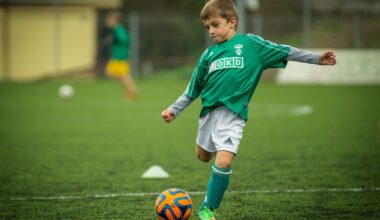

Creating Inclusive Netball Coaching Environments
Creating inclusive netball coaching environments is crucial for athletes’ overall development and success. This not only enhances the performance of players but also fosters a sense of community and belonging. It is essential to promote positivity and inclusiveness at all levels of netball coaching. Coaches should establish clear expectations and communicate these values to their athletes. Engaging all participants in the decision-making process can facilitate a sense of ownership and commitment. Acknowledging every player’s contributions, whether big or small, encourages mutual respect among team members. Involving athletes from diverse backgrounds can enrich the coaching experience, leading to various perspectives and ideas. Coaches should be role models, demonstrating respect for diversity and inclusion during training sessions and matches. Furthermore, adapting coaching styles to cater to different learning preferences is vital. This could mean incorporating various training techniques and equipment to accommodate everyone. Ultimately, an inclusive environment can lead to improved motivation and satisfaction, making netball a more enjoyable experience for all involved. Coaches must strive to create settings where everyone feels valued and empowered to contribute, ensuring that netball remains a sport for everyone regardless of ability or background.
To foster teamwork and camaraderie among players, organizing team-building activities is beneficial. These not only facilitate relationship building but also enable players to connect on a personal level, which is essential in a sport like netball. Some effective ways to develop teamwork include collaborative drills where players must work together to achieve a common goal. Additionally, incorporating culturally relevant practices into coaching sessions can uplift diverse athletes. This recognition allows players to feel more at home, thereby increasing engagement and participation. Ensuring all voices are heard during discussions encourages open communication and strengthens the team’s bond, which can result in improved on-court performance. Coaches should also encourage peer mentoring, where more experienced players guide newcomers or those needing additional support. This not only fosters a culture of inclusivity but develops leadership skills essential for all athletes. Moreover, celebrating diverse achievements can motivate team members, creating a positive atmosphere. Regular feedback and check-ins with players can also help develop a supportive culture, ensuring everyone’s needs are addressed. By taking these steps, coaches can create an inclusive environment that promotes ongoing development, learning, and unity. This ultimately aids in successful engagement in both training and competitions.
The Role of Education in Effective Coaching
Education plays a significant role in developing inclusive netball coaching strategies. Coaches must continuously update their skills and knowledge about inclusivity and diversity in sports. Attaining coaching qualifications that specifically address these subjects can empower coaches to implement effective strategies. There are numerous resources available, including workshops and online courses that focus on inclusive practices. Coaches should embrace these educational opportunities to better understand how to create an environment where everyone feels welcome and valued. Furthermore, aligning coaching practices with the organization’s inclusivity goals can ensure consistency across teams. Partnering with local organizations and schools can also expand the reach, bringing in new players who might not have had the opportunity to participate in netball before. Understanding the challenges faced by underrepresented groups in sports can help coaches tailor their methods effectively. Each player’s background, culture, and experiences should be taken into account when planning training sessions. Seeking input from players regarding their needs can lead to more responsive coaching practices. This collaborative approach is essential for creating a truly inclusive netball coaching environment. Inclusion starts with education, which leads to awareness and ultimately a more engaged sporting community.
Implementing adaptive equipment in coaching sessions is crucial for inclusivity. Coaches should assess the various needs of their players and invest in suitable equipment that accommodates all abilities. For example, utilizing balls with different weights can cater to players with varying strength levels. Similarly, adjustable goal posts can help ensure that all players can successfully practice their shooting skills. This not only builds confidence but improves participation rates across diverse groups. Coaches can also adapt the rules of games to better fit the abilities of their athletes. Simplifying complex rules for younger or less experienced players can enhance their understanding while making the game enjoyable. Encouraging athletes to provide feedback about their experiences with adapted sessions will guide coaches in refining their approaches. Sharing these successful adaptations within coaching communities can inspire other coaches to incorporate similar practices. Some coaches even facilitate workshops to demonstrate adaptive strategies, extending the inclusive approach beyond their teams. A culture of sharing and learning enriches the broader coaching environment, allowing netball to become more accessible. Ultimately, enabling every player to engage fully in netball enhances their growth, skills development, and enjoyment of the game, contributing to a thriving sports community.
Creating Safe Spaces for Vulnerable Players
Creating emotionally safe spaces is essential for vulnerable players. Coaches must actively listen to young athletes and provide reassurance that their feelings will be respected and considered. Establishing ground rules around respect and empathy will help create a compassionate team environment. When players feel safe to express their thoughts, it promotes trust among teammates and coaches alike. Regularly holding open forums allows players to voice their concerns or ideas, fostering transparency and accountability. On top of emotional safety, it is crucial to address any physical safety concerns that may arise during training. Coaches should ensure all equipment is safe and well maintained, and training sessions are adapted to minimize the risk of injury for everyone. Routine assessments of training environments should be conducted to identify potential hazards. Moreover, recognizing signs of anxiety or discomfort in players can help coaches provide immediate support, enhancing emotional wellbeing. Establishing a zero-tolerance policy for bullying or harassment underscores the commitment to a safe environment. By emphasizing both emotional and physical safety, coaches promote a culture of respect and inclusivity, empowering every athlete to perform at their best.
Involving families and communities in netball development is vital for foster inclusion. Coaches can encourage family participation by organizing events and encouraging attendance at training sessions. This creates a sense of belonging and ensures the broader community supports the players. Furthermore, collaborating with local schools promotes a stronger netball culture, encouraging participation from diverse backgrounds. Coaches should communicate with parents and guardians, providing updates on their child’s progress and invitations to contribute to training or events. Forming support networks helps alleviate any anxiety that players or families may feel, leading to a more cohesive environment. Community partnerships can yield additional resources and funding, enhancing facility accessibility and opportunities for all players. Additionally, providing educational materials for parents about the importance of inclusiveness in sports can help cultivate a culture of support, encouraging families to engage positively. Coaches should also create mentorship roles for previous players or community leaders who can share their experiences and encourage younger athletes. By fostering these relationships, netball coaches develop an inclusive community around the sport, allowing everyone to thrive together. Ultimately, collaboration among families, communities, and coaches is crucial to building inclusive and enriching netball experiences.
Conclusion: The Path Forward
In conclusion, creating inclusive netball coaching environments is an ongoing process that requires dedication and commitment. Coaches must prioritize the development of strategies that promote involvement from every player. Continuous education, adaptive practices, and community engagement form the foundation of successful inclusive coaching. By fostering a culture of empathy and respect, coaches can ensure that every player feels valued and has a sense of belonging. It is important to celebrate the diversity of athletes, recognizing that each player has unique contributions to make. Coaches should strive to lead by example, demonstrating inclusive values both on and off the court. Encouraging open lines of communication between players, families, and the broader community will only enhance the coaching experience. Finally, documenting successful inclusivity practices can facilitate the sharing of knowledge, inspiring others in the coaching community to take similar steps. When participants feel inspired and supported, it positively affects their performance and strengthens team unity. Ultimately, creating inclusive environments fosters connection through sport, transcending barriers and uniting people around the love of netball. This journey towards inclusivity not only enriches the sport but helps build a more supportive and compassionate society as a whole.