
Developing Quick Reflexes for Defensive Specialists
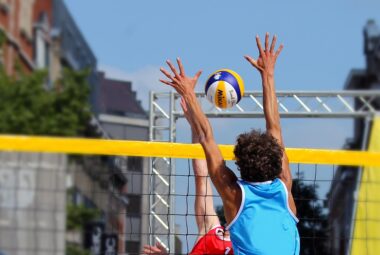
Defensive specialists in volleyball play a crucial role in the team’s overall performance, and enhancing quick reflexes is essential for their success. Reflex training focuses on improving response times, agility, and the ability to react instinctively during gameplay. Players can benefit significantly from specific drills aimed at increasing their reflex capabilities. Effective drills often involve various movements simulating in-game scenarios to foster quick decision-making. For example, rapid lateral movements can help defensive specialists react efficiently to digs, serve receptions, and unexpected spikes. Incorporating visual cues into training also aids in sharpening reflexes. These cues can come in the form of balls dropped from heights or unexpected throws, which require immediate responses. Resistance training can complement agility workouts, helping athletes achieve explosive movements. Additionally, practicing mindfulness can help players stay mentally agile, enabling them to react more swiftly. In conclusion, specialized reflex training for defensive specialists not only elevates their game but also contributes to the overall performance of the team. Effective reflex training is crucial for turning potential plays into successful points on the scoreboard.
Aside from physical drills, mental conditioning is equally important for developing reflexes. Visualization techniques can aid defensive specialists by training their minds to anticipate game situations. Practicing scenarios mentally allows players to develop a proactive mindset during matches. Athletes can create mental images of successfully executed digs or blocks. Combining these visual rehearsals with actual on-court practice can significantly improve responsiveness. Additionally, reaction time can also be enhanced through competitive drills. Engaging in partner exercises, like a friendly game of reaction ball or quick touch, will sharpen players’ senses. Adequately designed competitive drills foster not just reflexes, but teamwork as well. Teams that train collaboratively also develop better communication on the court. This synergy supports tactical plays, enhancing overall performance. Defensive drills should frequently change to ensure players aren’t just performing the same actions repetitively. Variety keeps athletes engaged while encouraging adaptive reflex responses. Other drills might include rapid-fire passing from different angles or simulated block situations to improve defensive reactions. Taking advantage of technology, such as reaction time apps, can provide athletes with invaluable feedback on their improvement.
Importance of Agility Training
Agility is deeply intertwined with reflex training; enhancing one will often bolster the other. Incorporating agility drills into daily training can result in remarkable improvements for defensive specialists. Ladder drills, cone sprints, and shuttle runs are excellent exercises that help increase foot speed and coordination. Emphasizing proper footwork is paramount, as it directly affects the ability to move quickly and respond to opposing players. Regular agility drills help strengthen not only the necessary muscles but also promote a better understanding of movement patterns. Players must also practice transitioning from offense to defense seamlessly. In matches, quick transitions are vital and require players to be light on their feet. Training with hurdles and agility bands can simulate the quick changes of direction required during gameplay. A well-rounded agility regimen will improve balance and flexibility, key factors in maintaining control during fast-paced rallies. The combination of drills boosts the muscle memory required for optimal reflex responses. It is also beneficial to incorporate dual-task drills, which enhance decision-making skills under pressure, ensuring athletes can think and move simultaneously on the court.
In addition to agility and reflex training, physical strength is crucial for defensive specialists. Strength training contributes to overall athleticism, with a particular focus on the lower body and core strength. Core strength enhances balance and stability, allowing players to remain grounded during critical movements, such as digging a ball or quickly repositioning. Incorporating weight training exercises like squats, lunges, and planks can improve essential muscle groups that facilitate quick movements. Bodyweight exercises also serve as an excellent way to strengthen muscles while developing coordination. Resistance band drills further enhance stability and reflex capabilities, as these bands create added tension players need to engage in specific movements. Moreover, maintaining overall endurance is essential for achieving consistent performance in matches. Interval training can prepare defensive specialists for the prolonged high-intensity action experienced during games. This training method teaches the body to recover efficiently between bursts of energy expenditure. Ensuring proper nutrition also supports athletes in fueling their workouts and recovery. A balanced diet combined with hydration ensures them the energy they need to practice effectively and recover well after sessions.
Team Dynamics and Communication
A defensive specialist must possess not only individual skills but also seamless communication with teammates. Effective communication on the court enhances overall team dynamics crucial for defense cohesion. Developing a shared vocabulary for signals and tactics allows players to respond swiftly to each other’s actions. Focusing on team drills during practice can cultivate a strong rapport among players as they anticipate each other’s movements. Teams that practice together usually develop stronger, instinctive reactions that lead to better defensive plays. In particular, working on team strategies related to positioning will improve not just individual reflexes but also enhance collective responses. Defensive specialists must also learn to read the game and react accordingly, an ability affected by teamwork. Learning to synchronize movements enables players to form a solid wall against attackers. Coaches should encourage open discussions regarding on-court observations to foster improvement. Over time, these discussions help players develop a deeper understanding of what works best for the team. Additionally, incorporating team challenges can stimulate friendly competition, further driving home the importance of reflexes as strategic assets during matches.
Feedback still plays a significant role in refining a defensive specialist’s skills. Constructive feedback from coaches and peers offers immediate insights into performance. Receiving specific critiques can help athletes identify areas needing improvement, whether reflexes, footwork, or decision-making under pressure. Recording practice sessions provides a valuable opportunity for players to self-assess. Reviewing footage can highlight moments when reflexes were particularly sharp or where improvements could be made. Emphasizing growth begins with acknowledging mistakes, which can foster motivation for athletes to evolve. Additionally, creating a culture of peer feedback can boost morale and promote camaraderie among team members. As players witness each other’s growth, it motivates them to work towards their individual enhancement. Regular assessment also ensures that motivation remains high, as athletes can track their progress in real-time. Coaches should conduct periodic evaluations to offer a comprehensive overview of development to athletes. This ongoing feedback will undoubtedly keep defensive specialists focused while allowing them to see the fruits of their labor. Overall, progress is essential for sustaining a passion for the game.
The Impact of Reflex Training on Matches
Ultimately, the primary goal of developing quick reflexes is to enhance performances during actual matches. Reflex training prepares players to handle various in-game situations quickly and effectively. Improved reflexes can mean the difference between a missed save or dig and a successful play that shifts momentum in favor of the team. When defensive specialists are trained properly, they become a formidable presence on the court, disrupting opponents’ attacks and leading to transitions into offensive plays. Timing becomes critical; players must respond not only faster but also with better precision. Each trained instinct can lead to more successful saves, increasing team reliability. Moreover, a defensive specialist that consistently executes effective reflex responses instills confidence throughout the team. Knowing they have a dependable player in defense encourages them to push for offensive risks. Over time, teams with well-trained defensive specialists usually outperform opponents due to consistency and adaptability. This layered preparation reinforces the idea that reflex training is not just a workout, but a comprehensive approach that elevates volleyball engagements. Players who invest in quick reflex development can genuinely transform matches.
The integration of advanced training tools has revolutionized reflex training for volleyball defensive specialists. Accelerated methods, such as reaction lights or smart training aids, allow for interactive training environments. Devices that signal when and where players should react promote faster decision-making skills crucial for in-game situations. These modern approaches enable personalized improvements based on performance metrics. Adjusting training dynamically, according to players’ current reflex capabilities, ensures efficient progress. Moreover, data tracking can provide tangible insights into how reflex training positively impacts overall performance. Coaches can utilize this data to tailor training sessions, ensuring each aspect of an athlete’s development journey is maximized. Integrating technology helps athletes maintain motivation, as game-like training stimulates practical applications. As players experience improved reflexes, this gives rise to evolving strategies that ultimately enhance teamwork on the court. Staying current on research surrounding the latest training techniques can further equip coaches and players to implement progressive training modules. Continuous learning through workshops and seminars cultivates a mindset of ongoing improvement. As volleyball continues to evolve, leveraging specialized resources ensures that defensive specialists not only master reflexes, but also adapt to the dynamic nature of the sport.