
Gymnastics Conditioning Drills to Elevate Your Calisthenics Routine
Calisthenics relies on bodyweight movements, and incorporating gymnastics elements can enhance your overall strength and flexibility. To begin, focus on foundational gymnastics conditioning drills that establish key skills. Strength training with a strong focus on proper technique is essential. One of the most effective drills is the handstand push-up. This exercise strengthens your shoulders, triceps, and core. To perform, kick up into a handstand against a wall and lower yourself towards the ground. Ensure your form remains strict to prevent injuries. Additionally, work on the planche hold, which requires balancing on your hands and engaging your core. Start with tuck planches and progress gradually. It is also vital to incorporate flexibility training to aid in recovery and improve your range of motion. Incorporating a structured routine can keep your progress steady, leading to more advanced calisthenics moves like muscle-ups or front levers. Beyond strength, gymnastics elements can enhance your overall performance in competitions and training goals. The agility, balance, and coordination fostered through these drills can significantly elevate your overall calisthenics routine.
One effective gymnastics conditioning drill worth including in your calisthenics routine is the L-sit. This exercise targets your core, hip flexors, and triceps, contributing to better overall body control. To perform the L-sit, position your body on parallel bars or on the floor, pressing down through your palms while lifting your legs straight out in front of you, forming an L shape. Aim to maintain your hold for increasing durations, focusing on squeezing your core and stabilizing your hips. Once you master the L-sit, consider transitioning into the V-sit for added challenge and muscle engagement. The V-sit moves your legs wider apart, enhancing the maneuver’s complexity. Furthermore, combining these exercises with dynamic moves like muscle-ups or bar transitions will build strength while improving your motion fluency. Track your progress diligently, adjusting your routines to constantly challenge your body and prevent plateaus. Introduce variations of the L-sit, such as weighted holds, to develop strength further. Ultimately, integrating the L-sit into your regimen will bolster your calisthenics capacity, making difficult skills more attainable and enriching your overall performance.
Enhancing Your Flexibility with Gymnastics
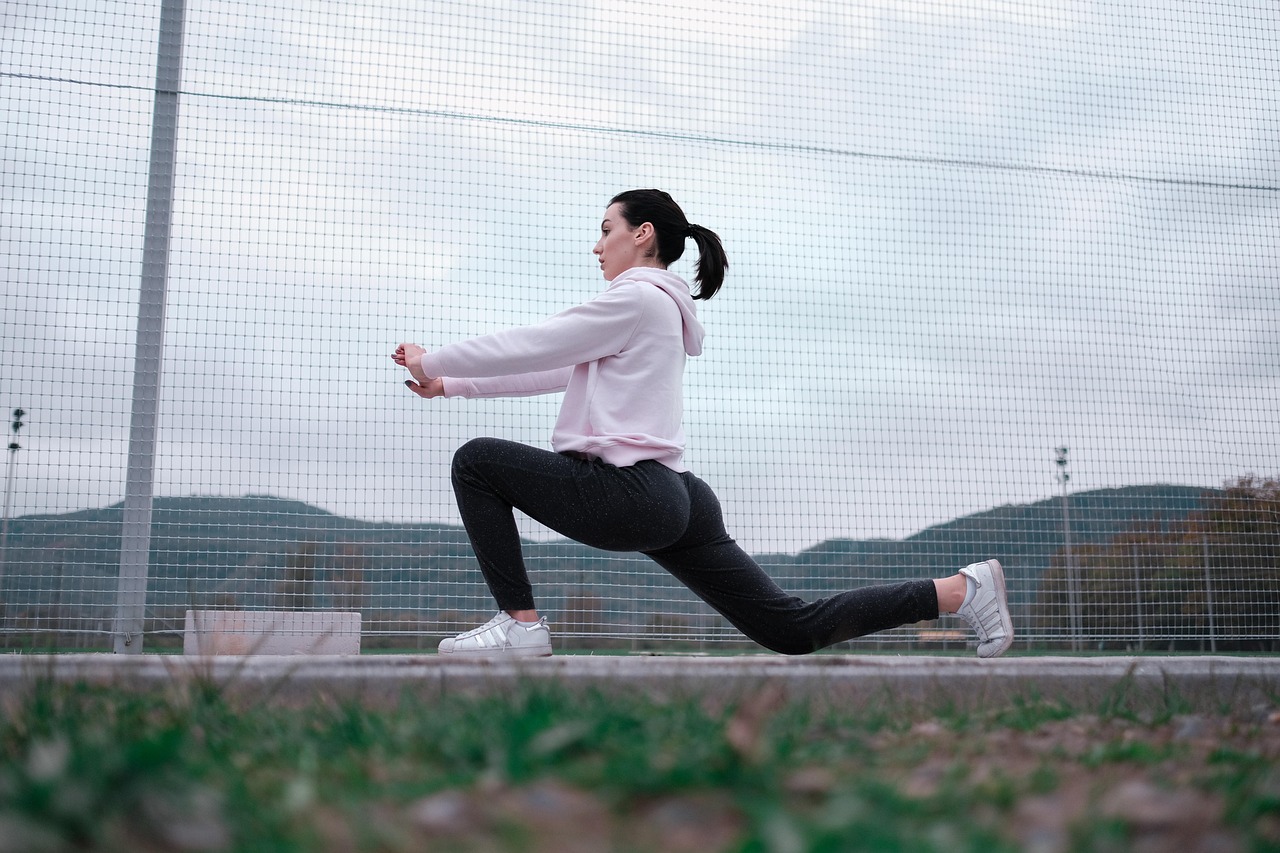
An often-overlooked aspect of calisthenics is flexibility, which can vastly improve your performance. Gymnastics drills include stretching, dynamic movements, and flexibility routines to aid muscle recovery and enhance range. Start with dynamic stretching routines before your training. This process warms the muscles and prepares them for action. Static stretches, such as pike stretches or splits, will improve flexibility and promote muscle recovery post-workout. Incorporate stretches like the butterfly stretch to target your hip adductors. Likewise, the cobra stretch can enhance your spine flexibility, crucial for various calisthenics movements. Adding controlled leg lifts and wall splits into your routine ensures progressive flexibility improvement over time. Consistency is key, tapering off muscle soreness and preventing injury risk. Implement regular yoga sessions, as they combine strength and flexibility training principles, suitable for all fitness levels. Don’t overlook foam rolling, which aids in muscle recovery and alleviates tightness, allowing your flexibility to flourish. Over time, improving flexibility translates into better calisthenics performance, granting you access to more advanced movements and improved aesthetics.
The press handstand is another vital gymnastics element that can enhance your calisthenics routine. This skill builds immense strength and control, emphasizing shoulders, core, and balance. Begin by practicing with a wall for support, developing upper body strength. Transitioning this from support allows you to grasp foundational balance and body control principles. Gradually, work to move away from the wall and find balance solely through strength engagement. A crucial aspect of learning to press into a handstand is understanding body positioning; ensuring your core engages throughout the movement allows for audibly better control. Micro-adjustments can make a significant difference, especially in tiny body angle changes while pressing. It is essential to note that mastering the press handstand takes patience and persistence, as it relies on developing adequate shoulder and core strength. Incorporate supplementary strength training targeting these areas, such as pike push-ups or overhead presses, to aid in your progression. Tracking your journey to the extravagant press handstand will allow for unique milestones toward your overall calisthenics success.
Incorporating Tumbling into Your Routine
Integrating tumbling drills can offer significant benefits to your calisthenics practice. Tumbling enhances agility, balance, and spatial awareness crucial for fluid movement in calisthenics. To start, focus on simple forward rolls or cartwheels to familiarize yourself with movement mechanics on the ground. These exercises develop coordination and body awareness, laying the foundation for more advanced motions. Gradually progress to back handsprings and round-offs. As your confidence builds, combine these elements in routines, practicing consistency and flow. Besides skill enhancements, tumbling promotes muscle development and cardiovascular conditioning. Ensure you practice in a safe environment, using mats or soft surfaces to reduce injury risk. Video record your sessions, providing an opportunity for self-evaluation, enabling you to spot areas for improvement visually. Consider partnering with a coach or researcher experienced in tumbling for personalized feedback. Networking with fellow calisthenics enthusiasts can yield insights worth exploring together. Ultimately, tumbling drills will add an exciting, dynamic dimension to your training, elevating both fun and proficiency within your calisthenics practice.
Building skill in aerial awareness is another valuable aspect of gymnastics that can enhance your calisthenics practice. Developing spatial awareness promotes more significant control during complex movements. Begin by practicing drills that involve jumping and flipping, introducing techniques such as front and back flips into your regimen. These practices enhance your understanding of body position in the air, lending a hand in managing movement during various calisthenics skills. Use a trampoline or soft mat to practice safely as you learn these aerial maneuvers. Progress through these drills while aiming to become comfortable with flips before focusing on execution in calisthenics. The spotting technique is essential; pinpoint your landing spots during flips or jumps to maintain balance and control in landing. Utilizing this knowledge assures your body understands its positioning throughout tricks. Remember, safety should always be a priority in aerial practice. Always ensure proper warming up before sessions to prevent injuries that hinder growth progression. With diligence, aerial awareness leads to improved mastery within calisthenics, providing a comprehensive skill set.
The Importance of Recovery
Lastly, integrating recovery protocols is essential to enhancing your overall performance in calisthenics. Recovery is often overlooked in fitness journeys, yet it plays a vital role in muscle growth and performance improvement. Adequate rest days mixed within your training schedule allow muscles to heal and strengthen. Additionally, nutrition contributes significantly to effective recovery. Consume meals rich in nutrients while focussing on proteins, healthy fats, and carbohydrates; they promote muscle growth and aid in repair. Consider incorporating active recovery days, where light activity keeps muscles engaged without over-exerting them. Engage in activities like brisk walking or gentle yoga to maintain blood circulation while giving your muscles a chance to recover. Foam rolling and stretching post-workout, too, alleviate tightness, reduce soreness, and improve flexibility over time. Monitor your hydration; staying well-hydrated promotes optimal muscle function and performance. Implementing various recovery methods can heighten performance, leading to enhanced muscular development and skill ratios. Ultimately, considering recovery signifies a commitment to your long-term calisthenics journey, maximizing your body’s potential.
In summary, incorporating gymnastics conditioning drills into your calisthenics routine can create a well-rounded practice fostering strength, flexibility, and skill development. Emphasizing foundational movements, flexibility training, and proper recovery practices can significantly enhance results. Focus on drills like the handstand push-up or L-sit, and incorporate tumbling techniques to better enhance spatial awareness. Building aerial awareness and learning skills like press handstands will yield immense benefits, creating a disciplined approach to training. Ensure recovery protocols, including proper nutrition and hydration, allow your muscles to repair and thrive. Prioritize a well-structured training program accommodating all aspects of your fitness journey. This overall approach should cater to long-term growth, securing your journey in calisthenics while fostering personal success. Adapting and adjusting routines based on progress helps set meaningful milestones, inching towards advanced movement mastery. Enjoy the benefits from these combined methodologies and witness how gymnastics elements elevate your entire calisthenics practice. By consistently implementing these strategies, you will unveil new potentials in your performance and flourish as an athlete in your own right.