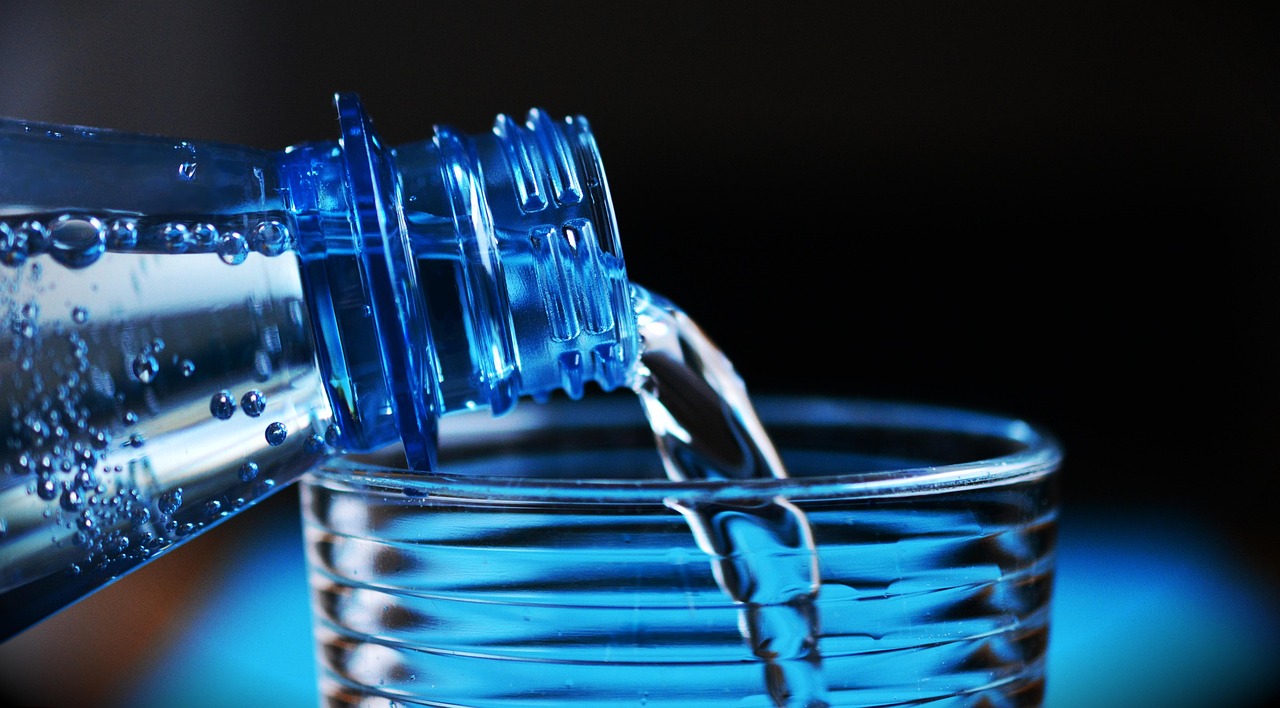

Hydration and Skin Health for Outdoor Tennis Players
Maintaining proper hydration is essential for outdoor tennis players to perform at their best. Drinking water before, during, and after matches is crucial to avoid dehydration, which can lead to decreased performance and increased risk of fatigue. For those playing in hot weather, it is especially important to monitor your fluid intake closely. This is because tennis involves considerable physical exertion, which can lead to significant fluid loss through sweat. To ensure optimal hydration, athletes should aim to drink at least half their bodyweight in ounces of water daily. Additionally, incorporating electrolyte-rich beverages can further support hydration efforts, particularly during long matches. A study published in the Journal of Sports Science & Medicine highlights the positive effects of proper hydration on athletic performance. Modern sports drinks often contain vital electrolytes that replenish what is lost through sweating and can maintain optimal fluid balance. To prep for a match, consume a combination of water and an electrolyte drink to stay well-hydrated as match time nears. Remember to listen to your body’s signals to adjust your hydration strategy as needed while enjoying outdoor tennis.
In conjunction with hydration, skin health is another critical factor for outdoor tennis players. Exposure to the sun’s intense rays while playing can lead to various skin issues, including sunburn and premature aging. Proper hydration can significantly improve skin texture and elasticity, which is essential for players frequently exposed to the elements. It’s advisable to apply sunscreen generously before heading out for a match, focusing on exposed areas such as the face, ears, and arms. Choosing a broad-spectrum sunscreen with at least SPF 30 is recommended for adequate protection. Reapply every two hours or after excessive sweating to maintain your skin’s defense against sun damage. Moreover, drinking water regularly can help maintain skin hydration from within, contributing to a healthy appearance. Foods like watermelon and cucumber, rich in water content, can also be beneficial. Besides hydration, wearing protective clothing and accessories, such as hats and UV-blocking sunglasses, can minimize the risk of skin damage. Remember, keeping your skin healthy not only enhances your overall appearance but also boosts your confidence on the tennis court.
Hydration Strategies for Match Days
On match days, creating a solid hydration plan is vital for outdoor tennis players. Start by pre-hydrating to prepare your body for the upcoming exertion. Consuming fluids several hours before you step onto the court can improve overall performance. A systematic approach can involve drinking around 16-20 ounces of water two to three hours before playing. Additionally, having an easily accessible water bottle with you during the match promotes consistent hydration. Consider consuming a hydration drink that combines water and electrolytes to replenish vital nutrients during high-intensity play. During frequent breaks, sip on this drink instead of chugging, as it allows the body to absorb fluids more gradually. It’s beneficial to monitor indicators of dehydration, such as fatigue or dry mouth. In instances when matches extend over several hours, strategizing with both water and electrolyte drinks is critical. Monitoring urine color can serve as a guideline for hydration levels; light yellow typically signifies adequate hydration. Tailoring your communication with your coaching staff regarding hydration routines can maximize your performance during the game.
Another significant aspect of hydration for outdoor tennis players is the inclusion of foods that help keep the body hydrated at a cellular level. Consider incorporating fruits and vegetables into your diet, as they contain high water content and essential vitamins needed for optimal performance. Foods rich in potassium, such as bananas, can also help maintain proper fluid balance in your body. Utilization of coconut water can be another beneficial strategy, as it offers hydration and a refreshing alternative to sugary sports drinks. Regularly snacking on hydrating foods throughout the day can contribute to your overall water intake, supporting not only your performance but also your skin’s health. Foods enriched with antioxidants, like berries, are beneficial for reducing inflammation and oxidative stress in your skin. Staying hydrated from both liquids and nutrition ensures that your body can perform at peak levels while also protecting your skin from potential damage. Engaging in a well-balanced diet that prioritizes hydration will enhance both athletic performance and skin health for outdoor tennis players.
Signs of Dehydration
Understanding the signs of dehydration is crucial for outdoor tennis players aiming to maintain performance and health. Common indicators include fatigue, headache, and dizziness, all of which can impair concentration and performance. Recognizing these early symptoms allows players to take the necessary steps to rehydrate before their situation worsens. Another sign to monitor is the color of urine; dark yellow urine usually indicates dehydration, while pale yellow suggests proper hydration levels. Players should take a proactive approach to hydration, ensuring they bring a water bottle or hydration mix to the courts at all times. Additionally, if experiencing a dry mouth or persistent thirst, players should seek fluids immediately. Feeling overly fatigued or exhibiting muscle cramps can also be alarming signs of dehydration during physical activity. As outdoor conditions can vary, it’s vital to adjust fluid intake based on temperature, humidity, and duration of play. Engaging in education about hydration strategies can further support your tennis performance and well-being. Remember to rest and recharge your body with fluids whenever you notice these signs, ensuring you stay in shape.
Ultimately, outdoor tennis players should prioritize their overall hydration and skin health during training and competitive play. Collaborating with sports nutritionists can provide tailored advice based on individual needs and athletic goals. Establishing a hydration routine can aid players in achieving optimal performance in their matches while ensuring skin protection from the elements. Recognizing the relationship between hydration and skin health highlights that skin integrity is directly affected by hydration levels. Conducting skin assessments regularly can serve as a proactive measure to maintain skin conditions, reducing long-term damage risks. Education on hydration and its effects on performance should be an integral part of any athlete’s training regimen. Players should also consider using skincare products that endorse hydration benefits, which can supplement their efforts to maintain healthy skin. Products rich in hyaluronic acid or glycerin can help retain moisture in the skin while playing outdoors. As you continue to refine your hydration strategies, remember that your overall energy, vitality, and skin health correlate heavily with hydration, setting you up for success on the tennis court.
Conclusion
In conclusion, effective hydration is a key component of success for outdoor tennis players. Not only does it boost performance in matches, but it also lays the foundation for healthy skin, ensuring resilience against the sun’s damaging effects. By following the recommended strategies to maintain hydration levels and implementing appropriate skincare measures, tennis enthusiasts can enjoy the game while caring for their bodies. Regularly assessing personal hydration needs allows players to adapt their fluid intake based on conditions, maximizing their potential. The relationship between adequate hydration and skin health underlines the importance of making consistent diet and hydration choices. Ultimately, whether you are a recreational player or a competitive athlete, prioritizing hydration is essential. Staying informed and implementing these hydration tips ensures that you can enjoy your tennis matches without compromising your well-being. Encourage fellow players to adopt these strategies, creating a supportive environment in which everyone values health and hydration. As you step onto the court, remember that hydration and skin health go hand in hand, contributing to the overall enjoyment and longevity of your outdoor tennis experience.
To further enhance your understanding of hydration and skin health, consider engaging with resources such as nutritionists or online platforms dedicated to sports wellness. There are many excellent articles, webinars, and tutorials available that discuss various hydration methods and skincare routines specifically for athletes. Embracing an ongoing learning approach will support your development and help you refine your strategies over time. Additionally, participating in workshops or local events focused on health and fitness can provide valuable insights and foster community connections. As you continue your tennis journey, don’t forget to share your experiences and insights with others; this encourages a larger conversation about the critical nature of hydration and personal well-being. By creating an informed tennis community, everyone can benefit from shared knowledge, which enhances performance and promotes health for all players involved. Continue to explore further education related to hydration techniques and skin health. As you engage with fellow players about these subjects, you can approach future matches with confidence, knowing you have equipped yourself with the tools for success.