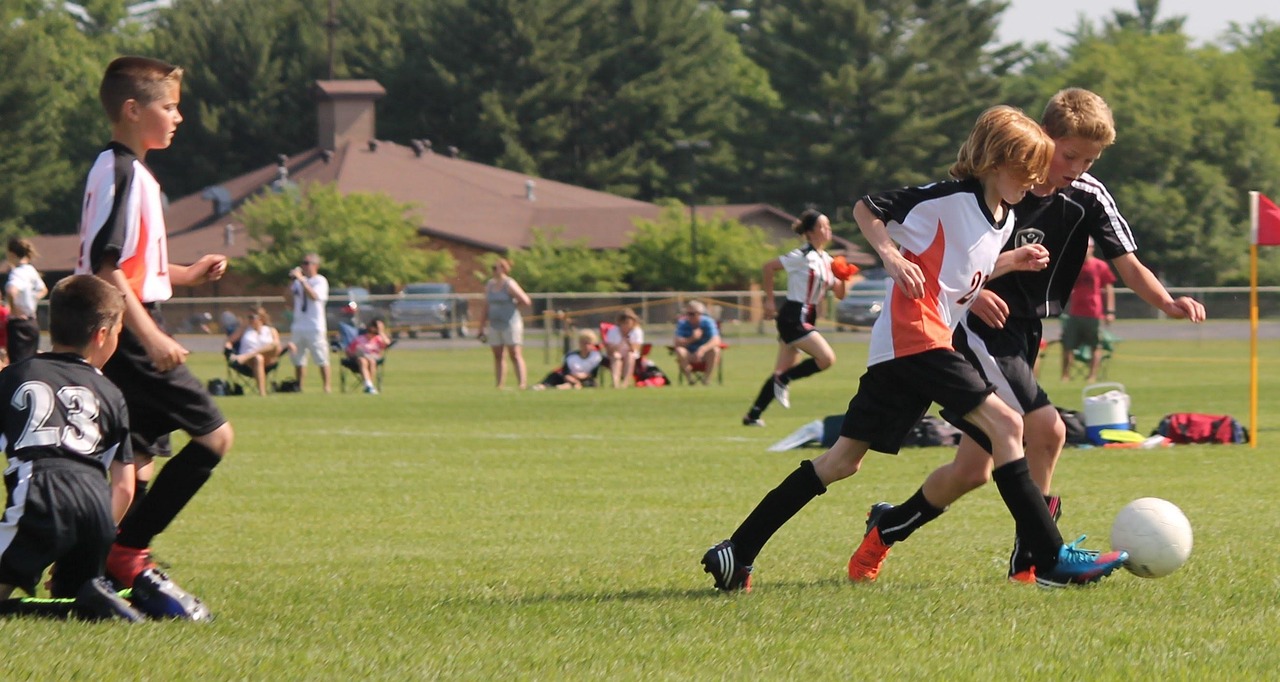

Promoting Inclusion and Fair Play in Youth Sports Programs
In the realm of youth sports, fostering an environment that emphasizes inclusion and fair play has become increasingly vital. Young athletes come from diverse backgrounds, and creating programs that celebrate this diversity is essential. Emphasizing equal opportunities ensures that every child feels valued and included, regardless of skill level or experience. By making inclusivity a core principle, sports organizations can help bridge gaps among communities. Programs can implement training sessions that highlight sportsmanship as a critical value. This can be accompanied by workshops aimed at educating coaches, parents, and players about the importance of fair competition. Several key practices can enhance inclusion, such as adaptive sports for individuals with disabilities or mixed-gender teams. Real-life success stories within these adaptive frameworks can inspire others, demonstrating that sports can be a unifier. By targeting specific outreach given to underrepresented groups, youth programs can cultivate a sense of belonging. In essence, establishing this foundation paves the way for ethical practices also fosters lifelong benefits for all involved. Such foundational changes are pivotal as sports continue to grow in significance within youth culture.
Ethical sportsmanship plays a critical role in shaping positive youth development. The core of this concept revolves around understanding values like respect, fairness, and responsibility. Teaching youth about sportsmanship establishes a framework which they can apply not just in sports, but throughout their lives. Coaches should actively model these behaviors and initiate conversations about the ethics of competition. Athletes must learn the importance of celebrating victories with humility and accepting losses gracefully. Such attitudes create a respectful and supportive environment that promotes personal growth and confidence. A strong emphasis on ethics also encourages players to support one another, cultivating a sense of teamwork that transcends individual achievements. Furthermore, developing clear codes of conduct can guide behaviors during practices and games. Regular discussions about ethical dilemmas that may arise in sports can enhance players’ decision-making abilities, equipping them to navigate real-life challenges better. Engaging parents in the conversation is equally essential, as they reinforce these values outside the sports arena. All stakeholders – from coaches to families – must collaborate to build a supportive culture that elevates both fairness and inclusion as priorities in youth sports.
Integrating Ethics into Coaching Strategies
For youth sports programs to flourish ethically, integrating values into coaching strategies is imperative. Coaches must be equipped to instill a sense of fair play among young athletes. One effective approach involves creating a coaching philosophy focused on developing character and ethical behavior. Training sessions can include discussions on The National Alliance for Youth Sports guidelines, which emphasize positive coaching. Additionally, introducing role-playing scenarios can provide valuable insights into ethical decision-making, allowing young athletes to practice navigating dilemmas actively. Rewards and recognitions should be structured to celebrate ethical behavior, not just athletic achievement. For instance, acknowledging players who demonstrate exemplary sportsmanship can reinforce these core values. Furthermore, setting tangible goals linked to ethical standards for both teams and individuals can motivate players to strive for fairness. Collaborative workshops focusing on ethical coaching strategies can foster teamwork and understanding among coaches. To create a holistic approach, aligning the program’s objectives with ethical principles will ensure a consistent message. This proactive stance instills a passion for fair play in youth athletes, encouraging them to embrace ethical practices in all undertakings.
Engaging the community is pivotal for promoting ethical practices and inclusivity in youth sports. Programs that reach out to local organizations can enhance their visibility and attract a broader base of participants. Collaboration with schools, non-profits, and community centers ensures diverse representation in youth sports. Community outreach initiatives can include open houses, skill clinics, and informational sessions, allowing everyone, especially underrepresented families, to get involved. By providing transportation assistance or subsidized fees, programs can help break barriers for low-income families, ensuring that all youth have opportunities to participate equally. Hosting community forums on topics like inclusion and ethics can encourage discussions that resonate with local values and aspirations. Engaged volunteers also play a crucial role in this landscape, serving as mentors and role models while fostering a culture of respect. Local businesses may also contribute by sponsoring teams or events to promote youth engagement. By building robust community partnerships, regional programs can create a shared responsibility to uphold ethical practices. Ultimately, fostering not just participation but a thriving environment where fair play is the norm helps promote sports as a vital part of youth development.
The Role of Parents in Youth Sports
Parents play a significant role in shaping young athletes’ perspectives regarding fair play and inclusion. Their expectations and attitudes can directly influence how children approach sportsmanship. It is essential for parents to model positive behavior, emphasizing the importance of respect both for teammates and opponents. Engaging parents in workshops focused on sports ethics can educate them on effective ways to support their children’s development. Discussions can include recognizing the value of effort over results, thus fostering an appreciation for teamwork. Parents should also be encouraged to celebrate their child’s participation, regardless of winning or losing. This supportive environment enables kids to feel valued for their commitment rather than competitive success. It is vital to establish clear communication channels between parents and coaches to ensure alignment on ethical expectations. Creating opportunities for parents to volunteer or attend games also strengthens community ties. As parental involvement increases, so does the emphasis on ethical behavior and inclusivity, contributing positively to the overall atmosphere of youth sports programs. These collective efforts can shape future generations of athletes who prioritize character and integrity above all.
Performance expectations in youth sports can create unnecessary pressure, often overshadowing the importance of ethics. Coaches and parents must emphasize enjoyment and personal growth rather than just success. Setting realistic goals helps foster a sense of achievement without compromising the joy that sports can bring. Introducing skill-building sessions that focus on fun rather than competition can alleviate pressure on young athletes. Programs should prioritize development-based structures rather than purely performance-driven outcomes. Numerous studies highlight the long-term benefits of enjoyment in sports, including increased retention rates and improved mental health for youth participants. By promoting an atmosphere where each child’s unique strengths are celebrated, sports programs can unlock their full potential. Regular check-ins can allow coaches to gauge players’ satisfaction and engagement levels, providing insights into how to adjust practices that nurture both skill and character. Encouraging athletes to set personal goals connected to ethical standards can also promote accountability. Ultimately, prioritizing enjoyment and ethical behavior ensures that youth sports remain a positive outlet for growth, learning, and connection, ensuring they serve their purpose beyond just competition.
Measuring Success in Youth Sports Programs
Evaluating the success of youth sports programs involves more than merely assessing win-loss records. Programs must develop metrics that incorporate ethical behavior and inclusivity. Surveys targeting participants, parents, and coaches can yield invaluable feedback on the effectiveness of ethical training. Metrics like participation rates, retention rates, and a sense of belonging among athletes are indicators of success. Qualitative testimonials sharing personal experiences can also serve as powerful evidence of the positive impact of ethical practices. Regular audits on how well programs uphold their ethical standards help promote accountability among stakeholders. Coaches should also establish clear criteria tied to ethical behavior in assessing players’ performance during evaluations. Recognition of players who exemplify ethical values can motivate others to follow suit. Community engagement efforts should reflect these goals, aligning outreach with practical assessments of inclusion efforts. Utilizing multi-dimensional approaches can showcase the significance of ethical practices and inclusion. Not only do these measures foster transparency, but they also ensure the program’s lasting relevance. By employing comprehensive evaluation strategies, youth sports programs can continue molding athletes to prioritize fairness, integrity, and community involvement.