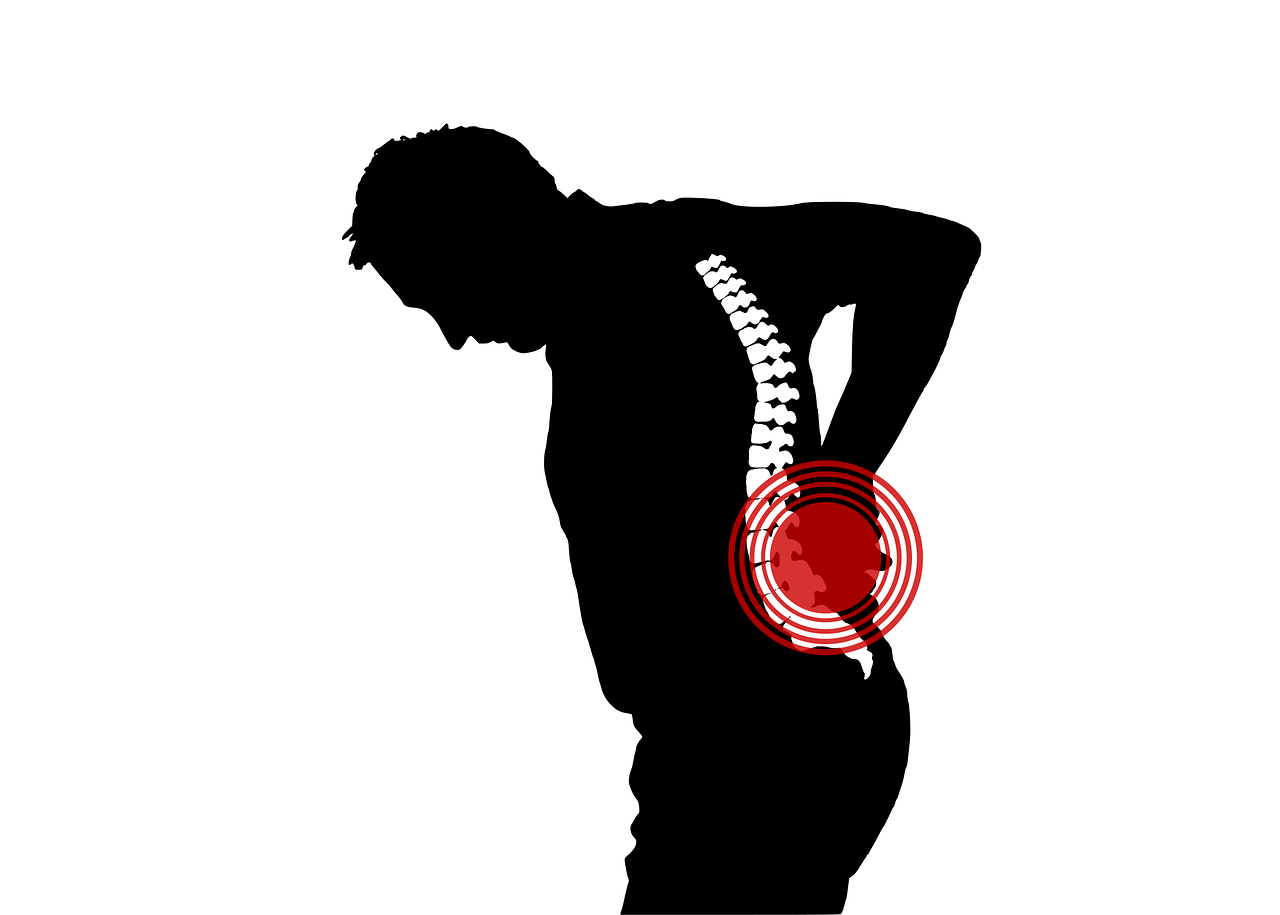

The Connection Between Lumbar Cushion Use and Reduced Fatigue
In recent years, the importance of ergonomic support has gained significant attention, especially in office settings. One highly talked about tool is the lumbar cushion, which plays a crucial role in maintaining proper posture. Back pain and fatigue are prevalent due to prolonged sitting, leading many to seek solutions. A lumbar cushion helps promote the natural curve of the spine, reducing strain. This support enables users to maintain an upright position comfortably, leading to improved overall well-being. Ergonomics pertains to putting the human body in the most efficient position possible during work. Implementing lumbar cushions can enhance comfort levels and productivity, mitigating fatigue effects. As a result, this tool has become increasingly sought after among office workers and others who spend long hours seated. So how does the lumbar cushion directly influence fatigue levels? Various studies indicate that proper support facilitates blood circulation. This, in turn, reduces pressure on the lower back and prevents discomfort. Though seemingly a simple accessory, it can have profound positive effects on daily tasks and activities, ultimately allowing individuals to operate at their best capacity.
The lumbar cushion’s effectiveness in promoting comfort rests on its anatomical design, which targets support areas most affected by sedentary activities. When the lumbar region is supported, pressure on the discs decreases significantly. This reduction in pressure serves as an effective means of pain prevention, ensuring that individuals can focus on their tasks without distraction. With the correct lumbar cushion, office workers report experiencing increased productivity and sustained energy throughout their workday. Fatigue has become a common enemy in workplace wellness, and lumbar cushions act as a barrier to this pervasive issue. Users often experience reduced incidences of tension headaches and muscle fatigue, which directly correlates with their performance levels over time. As employees feel better, they naturally engage more with their colleagues and tasks without the burden of discomfort. However, selecting the right cushion involves understanding individual body types and preferences. Not all cushions will suit every user, meaning research into various options is essential. Some cushions may offer firm support, while others provide plush comfort. Personalizing ergonomic assets leads to the best outcomes, ultimately reinforcing the connection between lumbar cushion usage and reduced fatigue levels.
Benefits of Lumbar Cushions in the Workplace
The benefits of using lumbar cushions extend beyond mere comfort; they can actively contribute to reducing fatigue levels during work hours. Enhanced spinal alignment improves posture, enabling individuals to exhibit less strain throughout their bodies. This spinal support translates to fewer interruptions during the workday caused by back discomfort. When discomfort is minimized, employees are less likely to take frequent breaks, which contributes to enhanced productivity. Moreover, lumbar cushions can encourage better muscle engagement in the core, further reducing the risk of fatigue. As individuals subconsciously correct their posture while seated, they are actively engaging in maintaining their health. Over time, users experience strengthened muscles and better endurance during periods of sitting. Additionally, research shows that maintaining a comfortable work environment with supportive tools can lead to heightened job satisfaction. Employees who feel supported and valued tend to produce higher quality work. This positive association further emphasizes the notion that investing in ergonomic tools pays dividends, both in terms of employee health and company productivity levels. Ultimately, the use of lumbar cushions presents various benefits that promote sustainable wellness in professional settings.
Furthermore, the continuous use of lumbar cushions can produce long-term benefits for overall spinal health. By engaging the muscles surrounding the lower back, cushions serve as a tool for self-care in preventing chronic pain. A common misconception is that pain relief must come from medical interventions; however, incorporating supportive devices into daily life can also yield significant positive outcomes. Establishing preventive measures, such as using lumbar cushions, allows individuals to take charge of their health proactively. By fostering a supportive environment, users develop a healthier relationship with their work, which compounds the positive effects on their mental state. The psychological aspects of using ergonomic tools should not be overlooked. As employees become accustomed to feeling supported, their confidence grows. This confidence can contribute to better decision-making and enhanced creativity in professional tasks. When employees are at ease, they are more likely to propose innovative solutions and engage in team discussions. Therefore, investing in lumbar cushion usage not only addresses physical concerns, but also nurtures an enriching workplace culture, contributing to holistic well-being and a collaborative spirit among team members.
Choosing the Right Lumbar Cushion
Selecting the right lumbar cushion is essential to fully realize its benefits in reducing fatigue levels. With various styles, materials, and designs available, individuals must consider their unique needs before making a purchase. For instance, consider the cushion shape: some have contouring designs that adapt to the natural curve of the spine, while others may be flat or adjustable. Factors like firmness and material, such as memory foam or gel, also play an important role in ensuring comfort. An ideal cushion should strike a balance between support and comfort, allowing users to sit for extended periods without feeling restricted. Comparing products can provide insights into which lumbar cushions effectively address common ergonomic concerns. Another crucial aspect lies in testing the cushion at various heights and angles to determine the best position for personal comfort. Individual preferences and experiences drastically vary; thus, it’s important to engage in trial and error. Reading reviews from other users can also yield valuable insights into the cushion’s effectiveness in minimizing fatigue. With a tailored approach, users can ensure they choose a lumbar cushion that truly enhances their comfort and energy levels.
In summary, the connection between lumbar cushion use and reduced fatigue levels is clearly evident across numerous workplace scenarios. Ergonomics serves as a critical factor in promoting well-being, and lumbar cushions emerge as essential allies in this regard. The psychological and physical advantages reported by users support this connection, indicating that investing in these cushions can yield significant returns in overall work experience. By focusing on comfort and support, individuals can avoid chronic discomfort, enhance productivity, and enable a healthier working environment. Companies that prioritize employee wellness through ergonomic support tools demonstrate a commitment to fostering a positive workplace culture. As organizations shift towards a more health-conscious approach, lumbar cushions symbolize an essential change in how businesses address employee needs. In conclusion, any employee who spends hours sitting should consider integrating lumbar cushions into their workspaces. The benefits are far-reaching, from reducing fatigue to enhancing mental clarity and workplace motivation. Therefore, having the right tools available and ensuring their effective usage will ultimately have significant long-term implications for workplace wellness and employee satisfaction.
Conclusion
In conclusion, lumbar cushions are more than just accessories for office chairs; they represent a crucial element in promoting comfort and reducing fatigue. Their significance cannot be overstated, given the modern work environment’s nature, which often subjects individuals to long hours of sitting. The collective advantages of using these cushions encompass both physical and psychological benefits, reinforcing their importance. Through supporting proper alignment and encouraging muscle engagement, lumbar cushions enhance overall health and well-being during work. Selecting the right cushion tailored to personal needs ensures that users can maximize comfort effectively. As workplaces evolve, integrating ergonomic solutions becomes increasingly vital in promoting sustainable well-being. Companies dedicated to employee health will likely see increased productivity, job satisfaction, and creativity among their workforce. In facilitating a work environment that prioritizes comfort, organizations demonstrate significant investment in their employees’ futures. Therefore, embracing lumbar cushions represents a step towards a healthier, more productive, and successful workplace. Those seeking to improve their daily work routine should consider lumbar cushions as a foundational element for achieving wellness, ultimately leading to improved outcomes for both individuals and organizations alike.