
The Importance of Cooling Down to Prevent Football Injuries
Cooling down is an essential aspect of a football player’s routine that is often overlooked. Just as warming up prepares the body for physical exertion, cooling down serves to bring the body back to its normal state. It helps in preventing injuries by gradually reducing heart rate and muscle temperature. During a match, players subject their muscles and joints to intense activity, leading to micro-tears in the tissues. Without proper cooling down, these tears can worsen, resulting in more severe injuries. Moreover, cooling down allows for the removal of lactic acid that builds up during intense activity, which helps in reducing muscle soreness. Players who skip this essential practice may find themselves experiencing increased stiffness and discomfort in their bodies. Implementing a cooldown routine not only contributes to physical recovery but also enhances players’ performance over time. A well-structured cooldown can be an invaluable tool that aids in muscle repair and maintains peak physical condition. Therefore, it is crucial for football players to dedicate time to cooling down as part of their overall fitness regimen.
There are specific methods that football players can adopt for an effective cooldown routine. These methods often include light aerobic exercises, stretching, and hydration. Light aerobic activities such as jogging or walking allow the body to slowly transition from high-intensity efforts to a resting state. These activities promote blood circulation, which is vital for distributing nutrients to muscles and expelling waste products. Stretching is also crucial because it helps lengthen tightened muscles, enhance flexibility, and alleviate muscle tension. Incorporating static stretches targeting major muscle groups like the quadriceps, hamstrings, and calves is critical. Players should hold each stretch for approximately 15-30 seconds without bouncing. Hydration cannot be overlooked, as rehydrating after a match replaces lost fluids and ensures proper muscle function. Coaches can emphasize the significance of maintaining hydration levels throughout the entire game and during the cooldown phase. Overall, a combination of these methods establishes a comprehensive cooldown routine to stave off injuries and promote long-term athletic health. By adopting these practices, players can significantly enhance their recovery process and performance.
The Role of Stretching in Cooling Down
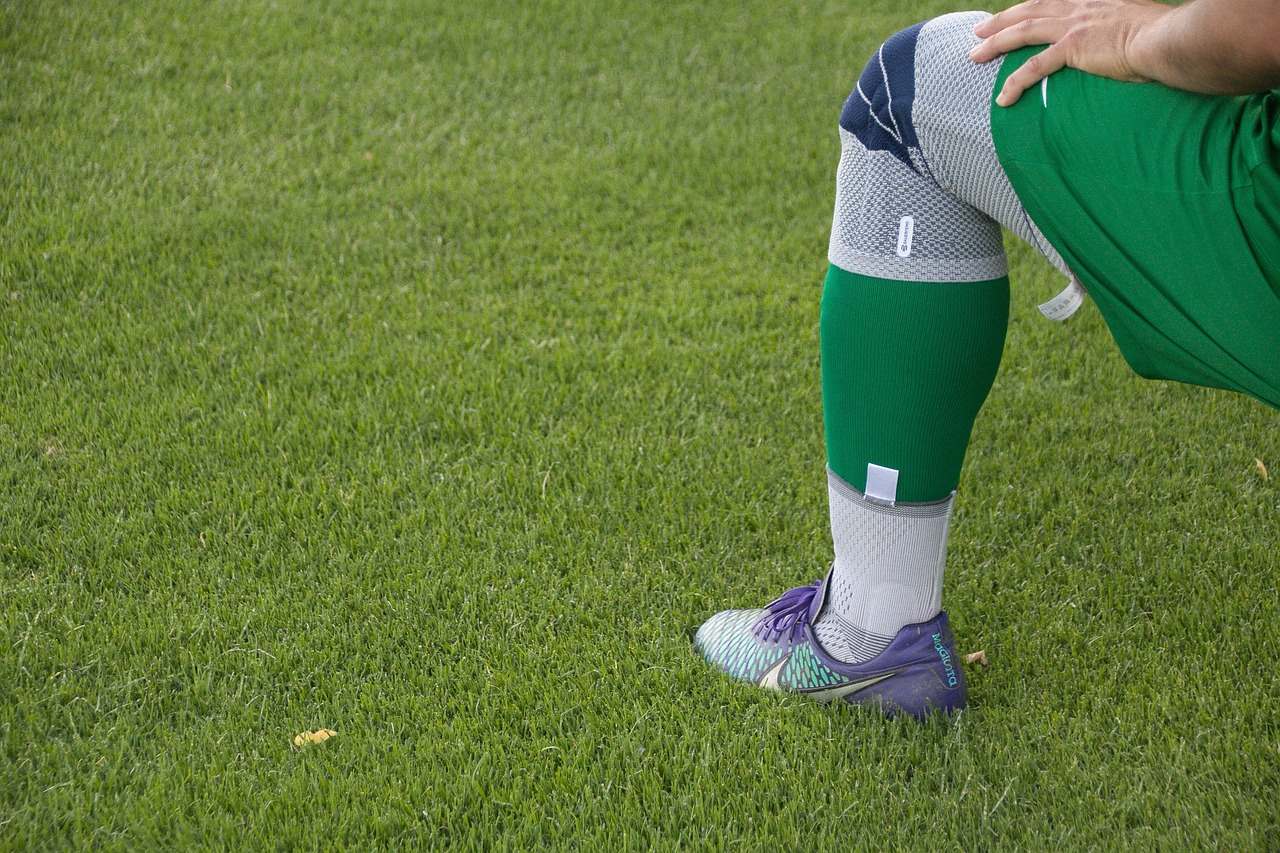
Stretching plays a critical role in the cooling-down process, significantly impacting injury prevention. When players stretch after a game, they are effectively working to maintain flexibility, which directly correlates with a lower risk of injuries. Muscles that remain flexible can absorb shocks better and withstand sudden changes in activity. Stretching also aids in reducing muscle soreness, a common issue athletes face after intense games. One effective method is static stretching, where each muscle group is gently elongated to its furthest point and held there. Aim for stretches targeting hamstrings, quadriceps, and calves, as these areas endure substantial pressure during football matches. Another beneficial technique is proprioceptive neuromuscular facilitation (PNF) stretching, which involves alternating between contracting and relaxing muscles, leading to enhanced flexibility. This can be performed with the help of a teammate for optimal effectiveness. Coaches should stress the importance of these stretching techniques post-game, as they significantly improve the long-term well-being of players. Incorporating these practices shows commitment to player safety and can enhance overall team performance.
Furthermore, establishing a cooldown routine can also foster team bonding and discipline. Players should view this time as an opportunity to unwind and reflect on the game’s performance together. Discussing strategies and areas of improvement contributes not only to physical recovery but also to mental preparedness for future matches. Coaches can lead group cooldown activities, reinforcing communication and camaraderie among the squad as they engage in lighter activities together. This reintegration into a game mindset should be a gentle transition, making it significantly easier for players to shift focus to recovery. Additionally, this time can serve as a moment for coaches to provide feedback, offering technical insights on the individual performances on the pitch. By promoting effective communication during cooldown, players gain a holistic understanding of the game and can implement this knowledge into future practices. Therefore, a cooldown routine extends beyond mere physical recovery, fostering strong team dynamics and enhancing player engagement. A united team approach to recovery can facilitate trust and accountability, essential components for a successful season.
Breathing Techniques for Effective Cooling Down
Breathing techniques are vital during the cooldown phase, significantly impacting the recovery process. Controlled, deep breathing aids in improving the body’s oxygen supply and reducing heart rate more efficiently. Players should focus on inhaling deeply through the nose, filling the lungs completely, and then exhaling slowly through the mouth. This practice helps in the release of adrenaline, which is beneficial for athletes transitioning from high-intensity activities. Implementing breathing exercises during cooldown also calms the nervous system, reducing anxiety and stress levels. Players can perform these methods while stretching or even walking to optimize recovery. Another technique is the 4-7-8 breathing exercise, which involves inhaling for four counts, holding for seven, and exhaling for eight. This not only assists with relaxation but also promotes mental clarity and focus. Coaches should encourage their teams to incorporate these breathing techniques not only as a part of cooldown but also throughout practices and matches. By embedding these methods into the players’ routine, the entire team can experience better emotional control and heightened performance levels.
Consistency is crucial in the implementation of cooling-down routines as part of injury prevention strategies. Players who routinely engage in cooldown exercises can observe substantial improvements not only in their physical recovery but also in overall performance. A regular cooldown routine allows for more predictable recovery periods, leading to fewer injuries over time. Keeping track of each player’s cooldown practices can help coaches identify trends and adjust regimes to better meet individual needs. This could involve personalized cooldown plans developed around a player’s specific injury history or concerns. Monitoring recovery can also involve using technology, such as fitness trackers or heart rate monitors, to assess the effectiveness of cooldown techniques utilized by each player. Consistently prioritizing cooling down conveys a strong message about the importance of injury prevention within the team. As players begin to recognize the value of this practice, they should allocate adequate time post-match to properly complete their cooldown routine. With discipline and commitment, cooldown sessions can significantly influence a team’s overall injury rates and enhance performance throughout the season.
Conclusion: Prioritizing Cooling Down for Football Players
In conclusion, the importance of cooling down to prevent football injuries cannot be understated. It is critical for players to embrace cooling down as an integral component of their training regimen after games. By integrating stretching, light aerobic activities, hydration, and breathing techniques, players can significantly reduce their chance of injuries and improve their recovery processes. Coaches and players alike must understand that taking time for cooldown encourages not only physical recovery but also mental relaxation and team bonding. These benefits ultimately foster a culture of responsibility towards one’s health and performance. Establishing a standard routine for cooling down will promote awareness of injury risks among athletes while enhancing overall performance. Additionally, maintaining consistency in these practices can significantly impact long-term fitness goals and career longevity. As football continues to evolve, so will training methods, but the fundamental importance of cooling down should always remain a priority. Football players must recognize that proper recovery is just as crucial as intense training. By committing to a solid cooldown strategy, they can enjoy the game for longer while minimizing injuries.
Emphasizing the significance of cooldown practices fosters a healthier and more effective football environment. Establishing a routine that encompasses all aspects of cooling down ensures the longevity and well-being of players. Each football season is an opportunity to implement and refine these critical strategies for injury prevention. Cultivating awareness within the team about the cooling down routine will encourage mutual support and create shared responsibility when it comes to injury prevention and recovery. Consequently, by promoting open discussions surrounding cooldown techniques, teams can thrive in fostering an atmosphere of understanding and care for one another’s health. Grassroots coaches and trainers should be equipped to implement these strategies effectively to foster a culture caring about player fitness. As they refine and adapt these practices within their own teams, long-lasting benefits will continue to emerge. Ultimately, players who prioritize cooling down will experience enhanced performance, reduced injury rates, and greater overall satisfaction in their football journeys. With everyone on the same page, the entire team can focus on achieving its goals while minimizing injury risks and promoting healthy habits that sustain longevity in the sport.