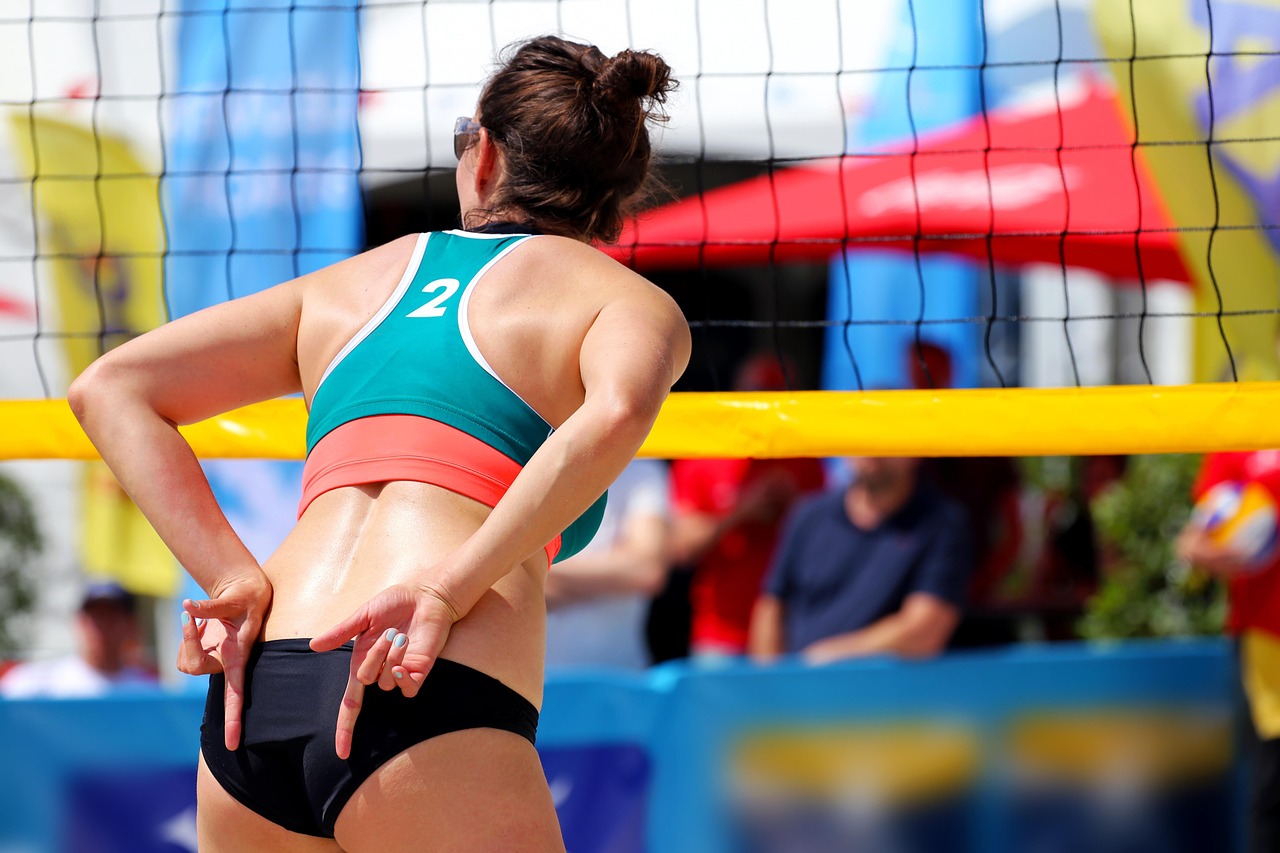

The Importance of Core Strength in Beach Volleyball
Beach volleyball is a physically demanding sport that requires a unique combination of skills, including agility, speed, and power. One of the most critical components of performance in this sport is core strength, which significantly impacts a player’s ability to execute various movements effectively. The core consists of muscles that stabilize the spine and pelvis during activities like jumping, hitting, and diving. Building a strong core can enhance overall performance and reduce the risk of injuries common in high-impact sports. Players often engage in specific training exercises focused on the core to develop stability and balance. These exercises include planks, medicine ball throws, and resistance bands workouts. Moreover, integrating core training into regular practice can lead to improvements in hitting power and control. All players should prioritize this area of fitness to enhance on-court performance and longevity in the sport. Understanding that the core acts as a powerhouse for the upper and lower body will help players appreciate its role further. Teams that incorporate systematic core workouts into their training regimens often see marked improvements in their game performance and competitive edge over opponents.
In addition to enhancing performance, core strength plays a vital role in injury prevention for beach volleyball players. Strong core muscles support proper posture and body mechanics during play, reducing strain on the back and other joints. Athletes who neglect core training may be more susceptible to injuries such as sprains, strains, or back pain. A well-developed core stabilizes the entire body, allowing for more efficient movement patterns during matches. As a result, training these important muscle groups often leads to fewer injuries and longer playing careers. Coaches should emphasize core training in their programs and incorporate exercises that focus on the obliques, rectus abdominis, and transverse abdominis. When these muscles work together, athletes can maximize their stability and coordination. Many players incorporate pilates or yoga sessions to enhance their core strength while also promoting flexibility. This holistic approach helps in not just building strength but improving mental focus and body awareness essential for competitive play. Ultimately, integrating these practices into regular training can have transformative effects on an athlete’s durability, resilience, and ability to maximize their potential on the sand courts.
Key Exercises for Core Strength
To effectively enhance core strength in beach volleyball, players should focus on various exercises that target different muscle groups. A combination of isometric and dynamic exercises can ensure balanced development. For example, planks are an excellent starting point. They engage all areas of the core, promoting stability and endurance. Side planks, in particular, activate the oblique muscles, which are crucial for twisting movements during spiking and serving. Russian twists are also beneficial for developing rotational strength, giving players a competitive edge during fast-paced rallies. Furthermore, engaging in dynamic movements such as mountain climbers helps build strength while simulating the fast actions in a match. These exercises not only improve core stability but also enhance cardiovascular fitness. Depending on the player’s fitness level, varying the intensity and duration of these exercises will ensure continuous improvement. Regular practice and consistency are key to developing an effective core conditioning routine. Overall, players should designate part of their training time specifically for core workouts to achieve optimal results, allowing them to perform at their best when on the beach volleyball court.
Nutrition also plays an essential role in supporting core strength development for beach volleyball players. To build muscle effectively, athletes need to consume a well-balanced diet rich in proteins, healthy fats, and carbohydrates. Consuming sufficient protein sources, such as lean meats, legumes, and dairy, can aid in muscle recovery and growth. Complex carbohydrates, found in whole grains and vegetables, serve as a primary energy source during training sessions. It’s equally important to stay hydrated, as dehydration can hinder physical performance and muscle function. Additionally, incorporating foods rich in vitamins and minerals can improve overall energy levels and aid recovery. Foods high in magnesium and potassium, such as bananas and leafy greens, can contribute to muscle contraction and overall health. Athletes should consider consulting with a nutritionist who specializes in sports to tailor meal plans that support their training goals. Understanding the link between nutrition and athletic performance will empower players to make informed choices, ultimately benefiting their core strength and on-court success. As players prioritize these aspects, they will notice enhanced energy and a stronger foundation when competing in beach volleyball.
Balance and Agility Training
Balance and agility are equally interconnected with core strength in beach volleyball. A strong core facilitates better balance while moving across the sand, resulting in improved positional play. Players must pivot quickly, jump to hit the ball, and land safely after spikes, all of which require finely-tuned balance and control. Incorporating balance boards, stability balls, and agility drills into training routines can significantly enhance these skills. For instance, using balance exercises helps to fine-tune proprioception, which is crucial for maintaining stability during play. Agility training, including ladder drills and cone drills, can enhance quick foot movements, essential for making plays on the court. Training that includes both balance and agility components will empower players to respond to in-game situations more effectively. These skills directly contribute to overall athletic performance, reducing the risk of slips or falls on the beach. Therefore, players should integrate both aspects into their weekly training regimen. This approach not only impacts game play positively but also promotes overall athleticism and functional fitness in beach volleyball while ensuring a comprehensive training strategy.
Additionally, mental strength can be closely linked to physical core conditioning for beach volleyball players. Developing a strong core enhances not only physical capabilities but also mental focus during games. Players with well-trained core muscles can better manage their bodies in challenging situations, reducing panic or hesitation. This confidence reflects in their performance, allowing them to make quicker decisions and take productive risks. Solutions such as visualization techniques can further bolster a player’s mental edge, as mental rehearsal of successful plays can improve actual execution. Players might consider practicing mindfulness techniques to enhance their focus and anxiety management during competition. Proper preparation leads to an enhanced state of mind, crucial for peak performance. Emphasizing mental and physical training can create more balanced athletes ready to face the pressures of competitive matches. Therefore, integrating mental toughness training into routines alongside core conditioning can yield profoundly positive effects on performance. A winning mindset allows athletes to fully utilize their physical strength, creating a synergy that can lead them to success on the beach volleyball court.
Conclusion and Takeaways
In conclusion, the importance of core strength in beach volleyball cannot be understated. It serves as the foundation for various athletic movements essential to the sport, contributing to performance, injury prevention, and overall athletic longevity. Athletes who dedicate time to developing their core will undoubtedly notice improvements in strength, agility, and balance, greatly enhancing their game. Incorporating effective core exercises—paired with proper nutrition and mental training—will yield the best results. These combined efforts can transform a player’s ability to move fluidly and explosively, adapting to the dynamics of each match. Additionally, fostering a holistic approach that considers not only physical but also mental elements can position athletes for peak performance. Coaches and trainers should prioritize introducing systematic core workouts and balance exercises into practices. Community support and accountability can encourage players to stay focused on their development efforts. By bringing awareness to the significance of core strength, players will emerge stronger, more resilient, and better equipped for the challenges of beach volleyball. Ultimately, a commitment to core conditioning brings a competitive edge and enriches the player experience on the beach.
Investing time and effort in core strength training should be a primary focus of every serious beach volleyball player. As mentioned, the core is at the center of nearly all athletic movements, acting as a stabilizing force during critical moments in matches. Players must commit to their training plans that include both core workouts and complementary exercises that promote flexibility and functional movements. Setting specific goals regarding core strength can guide athletes in measuring progress over time. Additionally, engaging in group training sessions will help foster a culture of support and competition among peers, leading to enhanced motivation. Training partners can also challenge one another, contributing to a more rewarding experience. In this journey, perseverance and a positive mindset are pivotal. Investing in core strength is an investment in overall athletic performance, enabling beach volleyball players to excel. In the end, the journey toward maximizing core strength will add significant value to the sport and each athlete’s experience. As they enhance their skills, players will also gain confidence, ensuring they are always prepared for the challenges that beach volleyball presents, creating successful athletes.