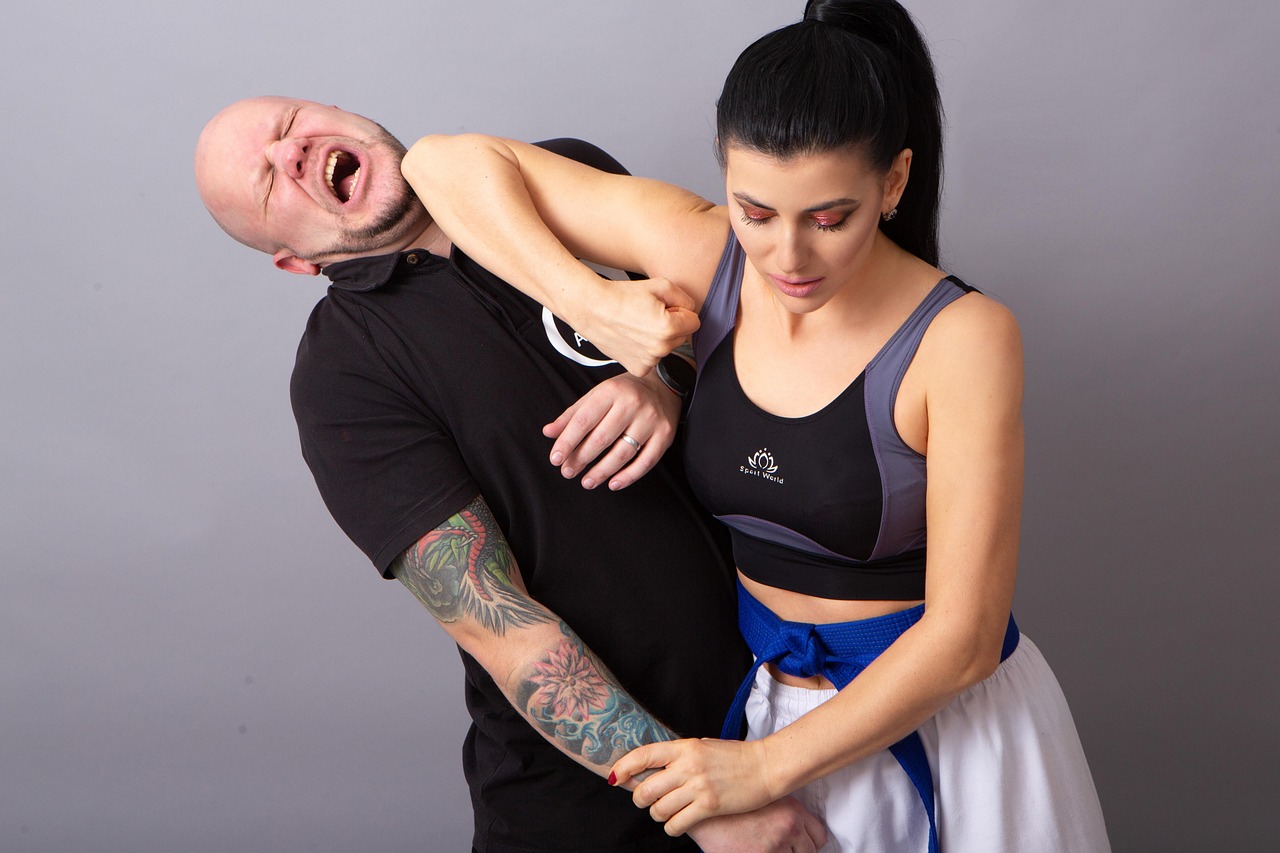

Using Improvised Weapons Against Multiple Opponents
In situations involving multiple attackers, the use of improvised weapons can be crucial for self-defense. Understanding the environment allows you to identify potential weapons, including everyday objects that can be utilized effectively. Common improvised weapons include chairs, sticks, or even your clothing. Each of these items can serve as defensive tools that may initially confuse or incapacitate an opponent. In a crowded area, even a backpack can become a barrier or a projectile. Always consider your surroundings and use these tools to your advantage. Make quick decisions, adapting to the dynamics of the confrontation. Practice using these objects in safe environments, enhancing your familiarity and response time. Always be aware of how velocity and angles affect your strikes, optimizing their efficiency. Improvised weapons shine in chaotic scenarios by allowing you to control the space around you, creating a defensive barrier. Most importantly, mental preparation can significantly influence the outcome of any confrontation. Anticipate the threats, and visualize multiple scenarios where these tactics might come into play, ensuring that you respond effectively and confidently when necessary.
Before engaging in any form of self-defense, it’s essential to recognize that multiple attackers can create a high-stress environment. Training in physical techniques tailored to using improvised weapons can provide you with an edge. Emphasize movement as you navigate the space around you. Keep your body light and agile to evade attacks, maintaining awareness of all potential escape routes. When utilizing improvised weapons, the goal is not just to fight but ultimately to create distance and escape danger. Each object should be perceived not only as a weapon but also as a means to facilitate your flight and safety. Focus on target areas that are vulnerable, such as eyes, throat, and knees. Delivering strikes to these areas can incapacitate an attacker temporarily, giving you critical seconds to escape. Practicing with various improvised objects helps develop your confidence and adaptability. Seek guidance from qualified instructors, who can provide you with personalized strategies and insights. Remember, the primary purpose of using improvised weapons is defense, so prioritize maximizing your safety while neutralizing threats presented by multiple assailants.
Identifying Improvised Weapons
Awareness is critical when identifying improvised weapons in your environment. Whether in an outdoor setting or an indoor space, recognize potential objects that could fend off multiple attackers and boost your self-defense efforts. Familiarize yourself with common items like umbrellas, belts, or glass bottles, which can serve offensive or defensive purposes. These objects might be readily available and provide you with the advantage needed to deter an attack. Practicing with various items ensures you can wield them without hesitation. Additionally, consider items that create a psychological advantage, such as loud noises or distractions, which can disorient attackers. These tactics help you create opportunities for escape or regrouping. Consider utilizing your surroundings by incorporating walls, furniture, or even staircases to gain mobility and separate attackers. Each situation is unique; adapting quickly and making tactical choices is paramount. Maintain focus and keep moving, as stillness can make you an easier target. Constantly engaging in situational awareness will aid in assessing the best choices for improvised weapons in emergencies.
In a scenario where you must defend against multiple attackers, the correct technique for using improvised weapons is vital. Engage quickly, aiming for vulnerable areas while staying mobile. Proper execution of physical techniques could mean the difference between escape and entrapment. After initially striking, be prepared to reposition yourself to maintain a safer distance from attackers. Continuous movement can disorient assailants, allowing you to dictate the fight’s pace. Focus on simple, repeatable actions that enhance your efficiency. Practice these techniques repetitively to make them second nature in stressful scenarios. Reinforce the learning through role-playing exercises with friends or training partners, who can simulate attack patterns. The significance of a strong mindset cannot be overlooked; staying calm, composed, and confident will contribute positively to your reactions. Furthermore, being mentally prepared fosters better decision-making under pressure. Through diligent practice and understanding, you can empower yourself with the skills necessary to effectively utilize improvised weapons in multiple attacker situations, ensuring your safety. Staying active and engaged during the confrontation is essential to maintaining momentum and control.
Creating Opportunities for Escape
Utilizing improvised weapons is often about creating opportunities for escape rather than a prolonged confrontation. Every encounter presents a range of possibilities, and it is vital to remain adept at recognizing openings. Pay attention to the reactions of your attackers and look for moments when they may be unbalanced or distracted. Using an improvised weapon effectively can create a critical lapse in their concentration, allowing you a window of opportunity to escape. Striking quickly and harshly can cultivate confusion among attackers; when they perceive a sudden threat, they may hesitate. Aim for rapid movements and decisive action. Incorporating elements of surprise into your methodology can significantly enhance your chances of evading capture. Practice altering your tactics during drills to simulate various environments and situations, adapting your behavior accordingly. The role of confidence cannot be overstated; believing in your capability to defend yourself facilitates better decision-making. Explore different scenarios with training partners to develop your skills; this preparation ensures that you can swiftly make the best choices in real-life situations, ultimately prioritizing your safety during encounters with multiple assailants.
While knowing how to use improvised weapons is vital, understanding the legal implications is equally important. Each jurisdiction has laws governing self-defense, and you must be aware of them. Familiarize yourself with the principles of proportionality; self-defense measures must be reasonable and necessary. In many locations, the use of any weapon could lead to complications if the situation escalates. Knowing when to disengage is just as crucial as knowing how to fight back; maintaining control over your actions reflects wisely on your decisions post-incident. Furthermore, gathering witnesses after an encounter can provide valuable support and evidence in your favor. Be proactive in documenting incidents to ensure that you represent yourself accurately. Training sessions can often help clarify self-defense laws in your locality, coupled with possible legal seminars designed for self-defenders. Acquiring knowledge about these regulations is equally as important as developing physical skills. Emphasizing self-defense education to those around you can also foster a more aware and prepared community, enhancing overall personal safety. Committing to ongoing education is essential for anyone engaged in self-defense training, particularly for scenarios involving multiple attackers.
Conclusion and Recommendations
In conclusion, using improvised weapons against multiple attackers requires courage, training, and a well-developed strategy. Always prioritize your safety while retaining your ability to think strategically under pressure. Investing time in practice with improvised weapons sharpens your skills and enhances confidence, which is key when encountering real-life threats. Seek opportunities for hands-on training; find classes or workshops that emphasize self-defense, focusing on multiple attackers’ scenarios. Collaborate with knowledgeable instructors and fellow students, learning from shared experiences and insights. Engage in situational awareness exercises to help improve your intuition and decision-making. Moreover, develop a routine to assess your environment, identifying potential weapons, escape routes, and areas where you may be cornered. Empower yourself with the psychological preparedness that comes from understanding the dynamics of multiple attacker situations. Familiarity with your techniques allows for swift responses, ultimately increasing your chances of successful self-defense. Lastly, never hesitate to seek help from community resources, such as local self-defense organizations that can provide valuable support and education for those interested in personal safety and self-defense methodologies.