
Boxing Warm-Up Routines for Improving Reaction Time
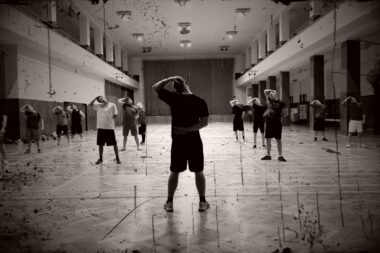
A proper boxing warm-up routine enhances your physical and mental readiness, significantly improving your reaction time during matches. Engaging in these essential pre-workout activities prepares the body, increasing your heart rate, and ensuring better blood flow to the muscles involved in boxing. A consistent routine will help you develop the necessary mobility and flexibility, enhancing your overall performance. Start with some light jogging or jumping jacks to elevate your heart rate, followed by dynamic stretches targeting your arms, legs, and torso. Incorporating shadow boxing allows you to engage your mind and movements simultaneously, perfecting your footwork and reflexes. Also, including drills that simulate actual boxing situations helps in creating muscle memory. Keeping your focus sharp with reaction time drills, such as partner mitt work or reaction ball exercises, can vastly improve your speed and coordination. The goal of every warm-up should be to ensure your body is prepared for the intensity of the workout. Reactive movements such as lateral shuffles or quick footsteps in different directions can also be incorporated to refine your agility. This comprehensive approach will help you excel in the boxing ring.
In addition to cardio and movement drills, an effective boxing warm-up routine incorporates strength training to improve reaction time. Resistance exercises build muscle strength, aiding in power and speed transitions when engaging your opponent. Core strength is particularly important in boxing, as it stabilizes the body during quick movements and striking actions. Focus on exercises like planks, Russian twists, and medicine ball throws to enhance your core stability. Also, emphasize upper body strength with movements such as push-ups and pull-ups, empowering your punches. Lower body strength should not be overlooked, as powerful legs contribute to explosive movements. Squats and lunges can provide the foundation needed for improved stability and speed in the ring. Additionally, utilizing resistance bands when practicing punches can increase muscle endurance and enhance your overall reaction time as you adapt to the heightened challenge. Remember that flexibility plays a key role in avoiding injuries as well. Therefore, certain stretches designed to improve range of motion should be incorporated into your routine. Prioritizing strength training and flexibility in your warm-up can result in significant performance gains.
Integrating Footwork and Reaction Drills
Footwork is crucial in boxing, directly affecting your reaction time during fights. To improve foot agility, start by practicing basic footwork drills such as the forward and backward step, side shuffles, and pivoting. These drills ensure you can effectively maneuver around the ring, making necessary adjustments to opponents’ movements. Partner drills involving movement variations can also simulate real-match conditions and sharpen your reflexes. Performing shadow boxing while integrating footwork strategies can massively enhance your coordination as well. Focus on moving in and out of range, practicing quick changes in your position to adapt your attack or evade strikes. Additionally, utilize cone drills to improve your directional speed and accuracy. Set up cones at various points in the training area, and practice weaving in between them to sharpen your reaction times. Visual cues such as a trainer’s signal can also aid in improving reflexes. The key is to maintain a high level of intensity while performing these drills; this readiness will assist in transitioning skills learned during practice into the ring. Consistent practice of footwork drills is essential for developing effective boxing awareness.”},{
Incorporating agility equipment like ladders into your warm-up routine can also yield impressive results. Agility ladders are versatile tools that engage various muscle groups while enhancing foot speed and reaction time. Performing various ladder drills, such as lateral runs, in-and-out steps, or two-feet hops, can develop your coordination and quickness. Regularly integrating these activities into your routine can provide significant improvements in your on-ring performance. Besides ladder drills, skipping ropes can be an effective method to increase body awareness and timing. Ropes hone your footwork while improving cardiovascular endurance, showcasing the synergy between fitness and boxing performance. A continuous rhythm while skipping is essential; this will translate directly into maintaining proper spacing and quick recovery in fights. As you become comfortable with these exercises, challenge yourself by adding speed variations or one-foot jumping routines. Agility training not only enhances boxing skills but can also positively impact your overall athleticism. Keeping a consistent warm-up practice that includes agility would ultimately provide a competitive edge in the ring. Remember that the development of responsive skills is a gradual process requiring dedication and consistent practice.
The Role of Cool Down and Stretching
Once training or a fight concludes, engaging in a cool-down period is as crucial as the warm-up phase. This period helps your body transition from intense activity to a resting state. Allowing the heart rate to gradually decrease can help prevent dizziness and facilitate recovery. However, it is also an excellent time to integrate static stretching to improve flexibility and reduce tight muscle soreness. Focus on key muscle groups used during your training, such as shoulders, back, chest, and legs, holding each stretch for approximately 20–30 seconds. This practice not only aids recovery but improves overall performance capabilities in future workouts. Additionally, incorporating deep breathing techniques during this cool-down period can enhance relaxation. It’s essential to take time to visualize your performance during each session, contemplating areas for improvement. Document your experiences in a training journal to track progress and refine your warm-up routines. Monitoring your reaction times, strength, and technique can help you analyze the effectiveness of your warm-ups. Gradually, these adjustments will refine your training approach, ultimately enhancing your overall performance when stepping into the ring.
Above all, remain conscious of your body’s signals during warm-up and training sessions. Understanding how to gauge your physical limits will prevent injury and overtraining. Observing your response to different drills can illustrate which warm-up routines yield significant improvements and which do not align with your objectives. Basketball coaches often emphasize the need for athlete feedback to enhance training techniques. Boxers can adopt a similar mindset by discussing their personal feelings during each drill. Collaborating with trainers as well, they can modify warm-up drills according to individual needs. Specifically tailoring programs can boost performance and motivate athletes to remain dedicated. Creating a comfortable yet challenging training environment will keep you engaged and focused on your goals. Additionally, variability in routines will prevent monotony and reignite excitement about practicing. Striving for consistency while incorporating variety will ultimately foster enthusiasm for the training process itself. Thus, developing a custom approach to warm-up routines lays the foundation for lasting success in boxing. Ultimately, honing your reaction time through dynamic drills and warm-ups is an ongoing journey that every boxer can benefit from.
In conclusion, boxing warm-up routines play a significant role in increasing reaction time and overall performance in the ring. Combining mobility drills, strength training, agility exercises, and appropriate stretching can significantly mold your boxing skills. Develop a comprehensive warm-up plan that incites motivation and emphasizes essential aspects of training, ensuring each session remains effective. Regularly evaluating your strategies and gathering insights provides a clearer understanding of your progress over time. Remember that warm-ups are more than mere rituals; they act as a foundation upon which you build your proficiency and fighting technique. As you prepare for training sessions or matches, prioritize your warm-up routine, dedicating the appropriate amount of time to ensure you feel confident throughout. Continuous practice is vital, as improved reaction times will translate directly to your performance levels. By integrating these warm-up routines into your daily practice, you reaffirm your commitment to excellence in boxing. Consequently, this excitement and diligence will undoubtedly cultivate greater skills and fluidity in your movement. Your journey as a boxer is enriched through meticulous planning and dedicated effort in crafting the ideal warm-up routine.
With a commitment to consistent practice and refinement of your warm-up routines, you can enhance your reaction times significantly. Experimenting with various drills ensures a comprehensive approach to empowerment within the ring. Furthermore, utilizing nutrition and recovery strategies can also emphasize overall performance gains. Proper hydration and nutrition before training sessions can influence your energy levels, promoting better focus and performance, directly translated into your reaction speeds. Additionally, allowing your body adequate recovery, whether through sleep or rest days, will improve agility and responsiveness for future workouts. Stress management is another vital component, as a relaxed mind contributes to quicker decision-making in high-pressure situations. Engaging in mindfulness techniques will aid in developing a deeply ingrained awareness of your body during bouts. The psychological edge gained through effective warm-ups directly correlates with improved reaction time. You are likely to experience heightened confidence levels as a result. Therefore, commit to nurturing a holistic approach that encompasses emotional, physical, and mental strategies to further enhance your boxing skills. Embracing this philosophy will actively promote your journey for constant improvement and learning within this sport.