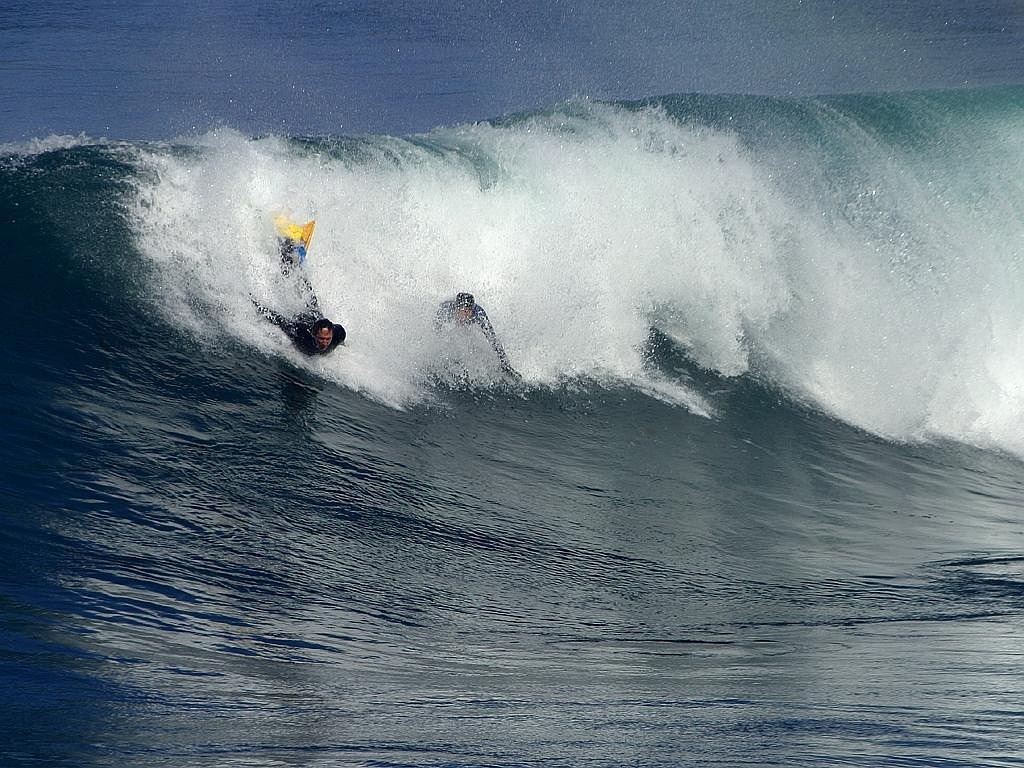

Choosing Between Different Types of Bodyboards
Selecting the right bodyboard is crucial for enjoying water sports. With various types available, it can be overwhelming for beginners. Bodyboards differ mainly in material and design, affecting performance. Common materials include EPS foam, which is lightweight and offers good buoyancy. Other options consist of polypro and polyethylene, each providing its unique features for usability. Riders often prefer the flexibility and durability found in various builds. The thickness of the board impacts its speed and maneuverability as well. A thicker board typically slices through waves more efficiently, while thinner boards enable agile turns. When choosing a bodyboard, consider your skill level and intended use. Bodyboards come in varying lengths, usually ranging from 36 to 48 inches, tailored to height and weight. For novice riders, shorter boards generally offer greater control, while experienced surfers might prefer longer options for speed and stability. Ensure you also select the right fins, as they contribute to successful rides. Testing various boards in different water conditions can lead to a better feel for what suits you best. An informed choice will significantly enhance your bodyboarding experience, making it all the more enjoyable.
After understanding materials and shapes, knowing the right size is next. When selecting a bodyboard, ensure to consider your height and weight for optimal performance. Generally, bodyboards are categorized by sizes ranging from small to large. For riders under 130 pounds, shorter boards of 36 to 40 inches work well. Heavier individuals typically require longer boards ranging from 41 to 46 inches. The correct size provides better buoyancy, making it easier to paddle and catch waves. Additionally, personal preference plays a key role, as some riders enjoy the feel of a smaller board for tighter maneuvers. Learning about different tail shapes is vital too. Common shapes include crescent, bat tail, and square tails. Each tail design affects ride dynamics and wave interaction differently. Crescent tails provide quicker turns, making them ideal for tricks and rapid waves. Bat tails offer a combination of stability and maneuverability, while square tails allow for greater speed in flat surf. As such, personal style influences preferences. Testing out various shapes and sizes before committing to one can significantly enhance your enjoyment and performance in bodyboarding, leading to memorable rides.
Different Types of Bodyboard Materials
Materials play a vital role in the performance and durability of bodyboards. The most common materials include polyethylene, which provides an excellent balance of performance and flexibility. Another popular choice is expanded polystyrene (EPS), known for its light weight and excellent buoyancy. Polypropylene, on the other hand, offers increased stiffness and speed, making it favorable for experienced riders seeking ultimate performance. Composite boards often combine different materials to capitalize on the strengths of each. Beginners might benefit from softer materials that are more forgiving during wipeouts. The flexibility of the board is likewise essential; stiffer boards generate increased speed but may sacrifice some control. The choice of material also affects how the bodyboard handles under various wave conditions. Boards made from polyethylene generally perform well in colder waters due to their insulation properties. Conversely, polypropylene boards excel in warmer waters. Riders should understand how their bodyboard’s material impacts their specific skill level and intended riding conditions. Experimenting with different materials can significantly improve performance, adding excitement to bodyboarding adventures in a variety of surf conditions.
Accessories can enhance the bodyboarding experience, and several must-haves are essential for safety and enjoyment. A leash is one of the most important accessories as it connects the bodyboard to the rider, preventing loss in the water. Additionally, wearing fins can drastically improve propulsion and movement through waves, allowing for quicker rides back to shore. Surf wax provides enhanced grip when climbing onto the board, especially crucial in slippery conditions. Moreover, wearing a wetsuit protects against cold water, minimizing the shock of entering chilly waves. Depending on the wave conditions, specific wetsuits offer varying thicknesses, ensuring comfort and warmth. Other accessories like board bags and repair kits are also essential, preserving your equipment and ensuring longevity. A board bag protects it from scratches or dings, prolonging its life. If significant damage occurs, having a repair kit handy can save the day, allowing for quick fixes and preventing complete replacement. Adequate accessories ensure both safety and environmental awareness while enjoying bodyboarding. The thrilling experience becomes more enjoyable with the right preparations and choices surrounding surfing gear, making outings significantly better.
Understanding Riding Techniques
Mastering bodyboarding techniques can greatly influence performance and overall enjoyment. Timing is fundamental; knowing when to paddle and catch a wave elevates skill levels greatly. Proper body positioning allows for maximum control during rides, ensuring safety. Riders should aim to balance weight distribution on their boards for a smoother experience. Additionally, knowing how to perform basic maneuvers is crucial for confidence growth. Techniques such as dolphin diving can propel surfers under breaking waves, allowing for more efficient entry. By gaining familiarity with different styles of riding, bodyboarders can expand their repertoire. Tricks can include spins, rolls, and even air moves, increasing excitement while riding waves. Practicing in smaller, manageable waves builds confidence before attempting more challenging conditions. Over time, understanding wave patterns will significantly enhance performance when bodyboarding. Proper learning and practice ensure evolving skills, which leads to greater enjoyment and increased wave experiences. Moreover, spending time with experienced riders can provide insightful tips and techniques that accelerate improvement in skills. Observing others and sharing experiences in the water presents exciting opportunities for learning and fostering connections within the sport.
A good bodyboarder adapts their approach based on conditions, and understanding the local environment is crucial. Each beach has its characteristics, and knowledge about the currents, tides, and wave strength is necessary for safe riding. Furthermore, recognizing peak seasons for surfing helps riders select the best times to hit the shoreline. Local surf reports and weather forecasts offer valuable insight into wave conditions and safety measures. Engaging with local bodyboarding communities can provide useful information about the best spots and ideal times to ride. Learning to observe how weather changes influence surf conditions can ultimately enhance proficiency. Riders should embrace continuous learning through exploring new beaches and sharing experiences with fellow surfers. Being respectful to the ocean and understanding surf etiquette fosters a positive atmosphere among riders. Finally, consider the impact of individual skill sets on riding techniques. Understanding personal strengths then applying them to bodyboarding leads to well-rounded experiences. With practice and understanding, water sports enthusiasts can maximize enjoyment and skill progression over time, contributing to a well-rounded surfing journey.
In conclusion, selecting the appropriate bodyboard involves careful consideration of several elements discussed. Bodyboards come in a variety of shapes, sizes, and materials, all impacting performance. Understanding individual needs, riding styles, and preferences are crucial while choosing equipment. Accessories are equally essential, enhancing safety and ease of use. Bodyboarders should not ignore important riding techniques, as they can significantly improve experiences and enjoyment. Moreover, adapting to various conditions and environmental factors further enhances skills and fun. Most importantly, building connections with the bodyboarding community results in shared learning and growth within the sport. Exploring new environments leads to unique experiences and diverse opportunities for progress in skills. Continuous adaptation and practical experiences create deeper enjoyment levels. Riders are encouraged to be open-minded when trying new things and learning from others. With a proper mindset and well-informed choices, bodyboarding can lead to years of excitement and memories on the waves. Each ride presents a chance to connect with nature while experiencing the thrill of riding the ocean’s power. Enjoy your adventures, and happy bodyboarding!