
Difference Between Flexibility and Mobility Explained
Understanding the terms “flexibility” and “mobility” is essential, especially in the context of physical fitness, rehabilitation, and overall well-being. While they seem similar and are often used interchangeably, they refer to distinct concepts that play vital roles in how our bodies move and function. Flexibility refers to the range of motion in a joint or group of joints and the ability of muscles to stretch without injury. It is influenced by both muscular and structural factors, allowing an individual to perform movements smoothly and without strain. Mobility, on the other hand, encompasses not just the range of motion but also the ability to move consciously and actively through these ranges. This concept highlights the importance of strength, coordination, and control. So, one can be flexible yet not mobile, which can lead to complications during workouts or daily movements. Understanding these differences is crucial for developing appropriate training and rehabilitation programs.
Exploring Flexibility
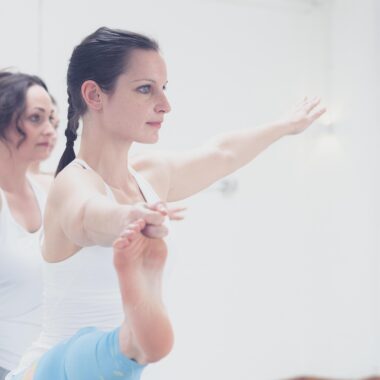
Flexibility has significant implications for functional movement and athletic performance. Muscles that are flexible can help reduce the risk of injuries and ensure better performance during sporting activities. The benefits of increased flexibility extend beyond athletic endeavors; they also improve everyday activities like bending down to pick up groceries or reaching for items on high shelves. Stretching exercises, like dynamic and static stretches, can enhance flexibility. Dynamic stretches help prepare muscles for activity, while static stretching focuses on lengthening and relaxing muscles post-exercise. Additionally, various forms of activities such as yoga, Pilates, and dance contribute to enhanced flexibility. Practicing these activities fosters a better range of motion and reduces the likelihood of muscle tightness and discomfort. Individuals with greater flexibility can often recover more quickly from strenuous workouts and limit the soreness that may occur afterward. It’s important to incorporate appropriate stretching routines regularly to maintain flexibility and work to prevent stiffness as you age.
Mobility is an essential component of physical health, often described as the ability to move freely and easily without pain. Mobility combines flexibility with strength, coordination, and stability, impacting how effectively one can complete various activities. For instance, having good mobility is critical for athletes in sports that require agile movements, such as gymnastics or martial arts. Furthermore, expanding mobility can significantly enhance performance in daily tasks, such as walking, running, climbing stairs, or getting in and out of a car. Mobility exercises focus on improving strength and control throughout a joint’s full range of motion, which can often be neglected in traditional fitness routines. Practices like functional fitness, balance training, and corrective exercises can improve mobility by targeting specific joint movements. Individuals may employ techniques such as foam rolling or drills that target hip, shoulder, and ankle mobility to see an improvement in overall function. This attention to mobility not only enhances athletic performance but also contributes to injury prevention, ensuring long-term physical health.
Flexibility vs. Mobility
The difference between flexibility and mobility can be understood more clearly by analyzing how both contribute to movement mechanics. Flexibility allows your muscles to lengthen and stretch, while mobility ensures a coordinated control in executing movement patterns. An athlete might display excellent flexibility yet struggle with mobility, impairing their performance in their sport. Conversely, someone with good mobility may be able to perform tasks effectively, even without extreme flexibility. An effective training regime should focus on enhancing both aspects. While improving flexibility can provide immediate benefits to the range of motion, enhancing mobility creates long-lasting results. Many rehabilitation programs include assessments to determine both flexibility and mobility levels, using this information to create tailored treatment plans. This holistic approach can lead to improved outcomes in recovery, performance, and sustainable practices for all individuals—whether athletic or in daily movement. By understanding these distinctions, one can prioritize specific areas that need enhancement, ensuring progress and preventing setbacks in physical training.
Incorporating mobility and flexibility training into your daily routine can yield excellent benefits over time, improving both performance and quality of life. A balanced approach incorporating stretching with mobility routines can lead to a more efficient and effective workout. For instance, undertaking a warm-up that integrates both dynamic stretches and mobility drills prepares the body for activities and reduces injury risk. After exercise, engaging in formal stretching and cooldown routines can help maintain flexibility and improve recovery. Ensuring that your physical activity sessions include these components can support overall muscle health, stability, and functional movement patterns. Many trainers encourage daily practices of both flexibility and mobility work, even outside of formal training, to build a sustainable exercise habit that nurtures long-term wellbeing. Additionally, physical therapists can offer guidance on achieving better mobility and flexibility that caters specifically to an individual’s needs, ensuring personalized care. Regularly assessing your levels of flexibility and mobility can provide insight into progress and areas needing additional attention, fostering commitment to ongoing growth.
The Role of Flexibility and Mobility in Injury Prevention
Flexibility and mobility play a crucial role in injury prevention. When muscles not only stretch adequately but also allow for proper movement under load, the chances of strains and injuries decrease significantly. Flexible muscles can generate power, and when complemented by excellent mobility, they project balanced control through dynamic movements. Athletes who neglect flexibility training expose themselves to the risk of injuries during high-stake competitions; hence, a well-rounded approach that includes both components is vital. By incorporating strength training with flexibility and mobility drills, individuals can develop a more resilient musculoskeletal system—this resilience can ensure that tissues withstand the stresses associated with performance. Importantly, routines must evolve through all life stages, as bodily function and needs change. Younger individuals might focus more on developing strength and flexibility, while older adults should prioritize mobility and functional movement patterns to prevent falls. By integrating flexibility and mobility training into a routine, individuals can take proactive steps toward maintaining their overall physical health, enhance performance, and mitigate potential injuries.
In summary, the key differences between flexibility and mobility lie in their definitions and implications for physical performance. Flexibility is about the extent of muscle lengthening, while mobility encompasses the ability to move purposefully and effectively throughout that range of motion. Understanding and integrating both elements into fitness programs not only optimizes performance but also reduces the likelihood of injuries. Warm-up routines should blend dynamic flexibility exercises with mobility-focused drills to equip the body for both training and daily activities. Individuals are encouraged to regularly address any limitations in flexibility and mobility, tailoring a program to their unique needs. Continuous assessment is equally important to ensure they are progressing and adjusting their practice as needed. As people aim for optimal movement patterns, incorporating both flexibility and mobility training in a consistent, mindful manner ensures that they can enjoy their chosen activities throughout their lives in harmony and health.