
Full Body Beginner Workouts Using Only Bodyweight Exercises
Bodyweight exercises are an excellent way for beginners to embark on their fitness journey. They are convenient as they do not require any equipment and can be performed wherever you are—at home, in the park, or in a gym. This makes bodyweight workouts very accessible for individuals who may not yet feel comfortable in a gym setting. When incorporating these exercises into your routine, focus on mastering your body’s movements to build a strong foundation. Not only do these exercises help build strength, but they also enhance flexibility and balance. Moreover, they can be tailored to suit various fitness levels, ensuring that everyone can experience the benefits. Here are a few effective bodyweight exercises that you can include in your beginner workout regimen: push-ups, squats, lunges, planks, and burpees. Take your time to learn the correct form for each movement, as this will minimize the risk of injury and maximize results. As you progress, you may incorporate more complex variations to challenge yourself further, continually advancing your fitness journey one step at a time.
Warm-Up and Flexibility
Before embarking on any workout routine, especially for beginners, it is crucial to warm up properly. A comprehensive warm-up prepares your body for the workout ahead by increasing your heart rate and circulating blood to your muscles. This can help prevent injuries and improve overall performance during your workout. Focus on dynamic stretches and movements that engage all major muscle groups. Some effective warm-up exercises might include arm circles, leg swings, and torso twists. These will help loosen up your joints and muscles. Flexibility is an essential component of fitness that is sometimes overlooked. Incorporating flexibility training can significantly improve your performance in bodyweight exercises. After your workout, ensure to include static stretches targeting the muscles you worked during your session. This will aid in recovery and increase your overall flexibility. Not only does flexibility help prevent injuries, but it also enhances your body awareness, which is beneficial for learning new bodyweight moves. Developing a habit of stretching will lead you to improved posture and long-term health benefits, balancing the strength gained from your workouts.
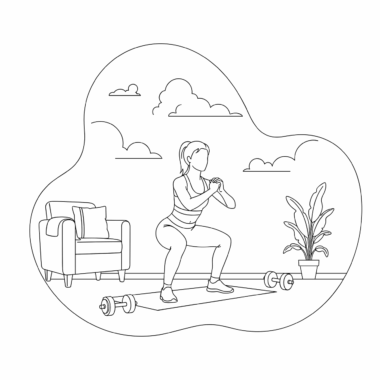
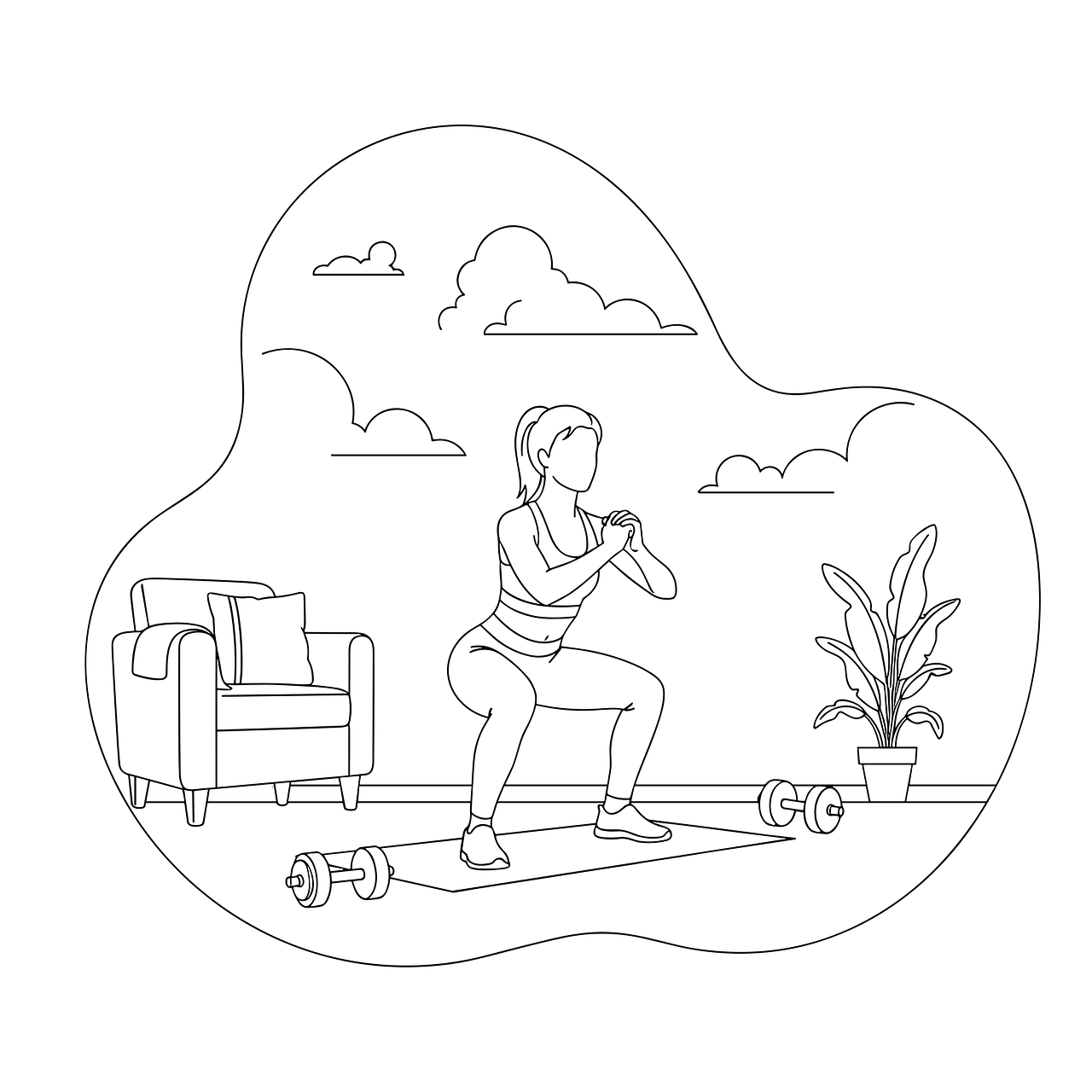
One popular bodyweight exercise is the squat, which is an exceptional way to build lower-body strength. To execute a squat, stand with your feet shoulder-width apart and toes slightly pointed out. As you lower your body, ensure your knees stay aligned with your toes. Keep your chest up and engage your core to maintain proper posture. Hold the squat for a moment before pushing through your heels to rise back to the starting position. You can incorporate variations such as jump squats or isometric holds to increase the intensity as you progress. Squats primarily target the quadriceps, hamstrings, and glutes, making them a fundamental movement for enhancing fullness and strength in your legs. Additionally, they also engage your core muscles to maintain stability throughout the movement. Performing squats consistently in your workouts not only enhances your physical appearance but also translates well to other functional movements in daily life. Aim to gradually increase the number of repetitions and sets each week, tracking your progress for motivation as you gain strength and confidence.
Lunges are another effective bodyweight exercise that targets your legs and helps improve stability and balance. To perform a lunge, start by standing upright with your feet hip-width apart, engage your core, and take a step forward with one foot. Lower your hips until both knees form a 90-degree angle, ensuring that your front knee does not extend past your toes. Push through the heel of your front foot to return to the starting position. Repeat this movement with the opposite leg. As you become more comfortable, add variations such as reverse lunges or lateral lunges to work different muscle groups. Lunges effectively target the quadriceps, hamstrings, and glutes—similar to squats—but with a greater focus on unilateral strength and balance. Incorporate lunges into your workout routine two to three times a week, ensuring that you maintain proper form to prevent injuries. This simple yet effective exercise carries daily functional benefits, enhancing mobility and performance in various physical activities as you grow stronger and more balanced.
Core Exercises
The importance of a strong core cannot be overstated in any fitness routine, particularly for beginners. A well-developed core stabilizes and protects your spine, enabling proper movement patterns during workouts. One of the best bodyweight exercises to strengthen your core is the plank. To perform a plank, start in a push-up position, resting on your forearms instead of your hands. Keep your elbows under your shoulders, and your body should form a straight line from your head to your heels. Engage your core, glutes, and legs while holding the position for as long as you can maintain proper form. Gradually work on increasing your hold time to build stamina and strength. You can also add variations like side planks or plank jacks for added difficulty once you are comfortable in the standard position. Complement planks with other core exercises such as mountain climbers, bridges, and hollow holds for a comprehensive core workout. A strong core lays the foundation for all other bodyweight movements, making it crucial for achieving overall fitness goals.
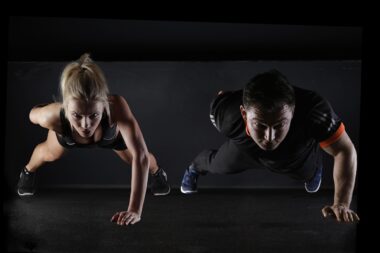
Push-ups are a classic bodyweight exercise that engages multiple muscle groups, focusing primarily on the chest, shoulders, and triceps. To start, position yourself facedown with your hands slightly wider than shoulder-width apart. Ensure your body is in a straight line from head to heels, and lower yourself by bending your elbows. Control your descent, and push through your palms to return to the starting position. As a beginner, you may want to perform push-ups on your knees or against a wall to build strength gradually. Once you have the basic movement down, experiment with different variations, such as diamond push-ups or incline push-ups, to challenge yourself further. Aim for 2 to 3 sets of 8 to 12 repetitions, focusing on maintaining proper form throughout. Push-ups are highly effective, as they engage your core, arms, and chest simultaneously. By incorporating push-ups into your routine, you will build upper body strength and enhance muscle tone, contributing to overall fitness and body composition goals.
Burpees are a powerful full-body exercise that combines strength and cardio, making them ideal for building overall fitness. Begin in a standing position and squat down, placing your hands on the floor in front of you. Jump your feet back into a plank position, perform a push-up, and jump your feet back to your hands. Finally, explosively jump back into a standing position, raising your arms overhead. Even though burpees can be challenging, they are highly rewarding, as they engage almost all major muscle groups in the body, including your legs, core, and arms. For beginners, start with a simplified version by eliminating the push-up and focusing on the squat and jump. As you develop strength and endurance, gradually increase the intensity. Aim for 2 to 3 sets of 5 to 10 burpees, adjusting the number of repetitions according to your fitness level. The explosive nature of burpees elevates your heart rate, enhancing cardiovascular fitness while simultaneously building strength. Including them in your workouts can add variety and excitement, leading to a well-rounded fitness routine.
Conclusion
In conclusion, full-body beginner workouts using only bodyweight exercises can be an incredibly effective means of reaching your fitness goals. They provide various benefits, including building strength, flexibility, and endurance without the need for specialized equipment. As you embark on this fitness journey, remember the importance of proper form, dynamic warm-ups, and consistent practice. Take the time to gradually increase the intensity and complexity of your workouts as you become more comfortable. Incorporate exercises such as squats, lunges, push-ups, and burpees into your routine, focusing on mastering bodyweight motions before attempting more complex variations. Monitor your progress and set achievable goals to stay motivated and accountable throughout your journey. With dedication and practice, you will gradually strengthen your body and improve your fitness level, paving the way for more advanced workouts in the future. Fellow beginners, feel encouraged to explore this method of training, as it can lay the groundwork for a stronger, healthier lifestyle that will empower you physically and mentally. Embrace the challenge, enjoy your progress, and celebrate the small achievements along the way!