
Functional Training Tips for Enhancing Mobility and Flexibility
Functional training focuses on exercises that help you move better in daily activities. The goal is to enhance mobility and flexibility, making everyday movements easier and safer. One effective tip is to incorporate dynamic stretches into your warm-up. This prepares your muscles for more intense workouts. Try movements like lunges with torso twists or leg swings. These engage various muscle groups and improve your functional range of motion. Another important aspect is strengthening your core, which stabilizes your entire body and enhances your balance. Core exercises, such as planks and bird-dogs, can significantly improve your functional stability. Remember to focus on exercises that mimic the movements you perform daily. Think about incorporating functional patterns, like squatting or pushing, to improve your performance. Mobility drills can also be beneficial. Using tools like foam rollers can relieve tightness and improve blood flow. Stretching post-workout is essential; static stretches help lengthen muscles and reduce soreness. Finally, stay hydrated and nourished to support your body’s performance and recovery. Combining these tips into your routine will undoubtedly enhance your functional training benefits.
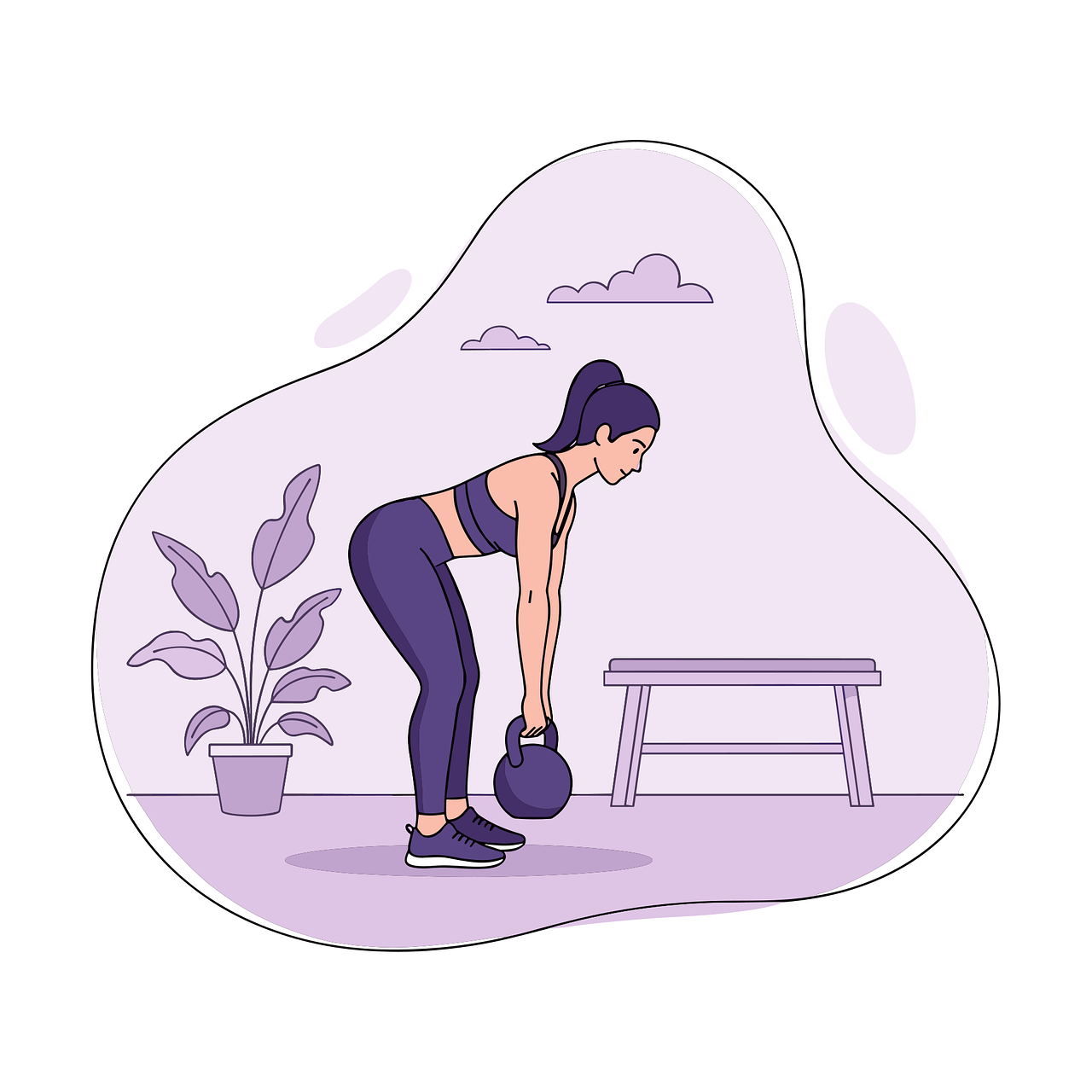
Another functional training exercise that promotes mobility is the kettlebell swing. This workout targets several muscle groups while improving coordination and flexibility. When performed correctly, kettlebell swings can enhance your hip mobility. Focus on hinging at the hips, and let the kettlebell swing back. As it comes forward, engage your glutes and hamstrings for balance. Additionally, consider integrating yoga into your routine. Yoga significantly improves flexibility and mindfulness, ensuring a balanced approach to functional training. Poses like downward facing dog and pigeon can enhance muscle elasticity and joint mobility. Resistance band exercises are also a great addition. These bands provide resistance while promoting a full range of motion during your lifts. Start with basic movements, such as banded squats or chest presses, to build strength and flexibility simultaneously. Always pay attention to form, as proper technique will prevent injuries and yield better results. Consider joining group classes focused on functional movements. These classes often offer a diverse range of exercises and promote community motivation. Lastly, listen to your body and modify exercises when necessary, prioritizing safety over intensity to gain the most from your sessions.
Consistency is key when it comes to enhancing mobility and flexibility through functional training. Establish a regular workout routine and gradually increase the intensity. You’ll likely notice improvements within weeks. Complement these workouts with adequate rest days in between sessions. Recovery is crucial for muscle restoration, especially after intense functional training. Don’t ignore nutrition; a balanced diet has a significant impact. Protein aids muscle recovery, while fruits and vegetables provide essential vitamins and minerals. Incorporate functional movements into your everyday life to enhance mobility further. Simple tasks like squatting down to pick something up can increase your overall strength. Engaging in recreational activities such as dancing or swimming can also promote flexibility and enjoyment. Use technology to track your progress. Many apps offer functional training programs to keep you motivated and challenged. Goal-setting can help you stay focused too. Set both short-term and long-term goals to measure your improvements effectively. Recovery tools, like massage guns or Epsom salt baths, can also support your post-workout routine. Incorporating these elements into your functional training approach will ensure that you not only improve your mobility and flexibility but also your quality of life.
Incorporating Mobility Drills
Mobility drills are not just for athletes; anyone can benefit from incorporating them into a functional training routine. These drills enhance joint mobility and overall flexibility. Some effective mobility drills include the hip circle and thoracic spine rotations. Performing these exercises regularly will help keep your joints healthy and your muscles relaxed. In addition, don’t forget to warm up the ankles with movement drills, as they’re essential for balance and stability. Increasing ankle mobility can prevent injuries and enhance your workout performance. You may also consider using a lacrosse ball to address muscle tightness in specific areas, such as the hip flexors. Simply apply pressure to the tight spot and gently roll over it to alleviate tension. Hold stretches for at least 30 seconds for maximum benefit and repeat them throughout the week. Another excellent drill is the deep squat hold, promoting flexibility in the hips and improving posture. As you progress, incorporate more advanced mobility drills that challenge your flexibility levels. These consistent practices will ensure that you develop a stable foundation for functional training and improve overall performance.
Balanced training routines are essential for optimizing mobility and flexibility. Combining various training styles maximizes the benefits of functional training. You can alternate between strength training, resistance training, cardiovascular workouts, and stretching. This approach helps maintain balanced fitness levels while promoting recovery times. Plan weekly sessions that include all these elements while managing your schedule effectively. For instance, you might want to set aside specific days for strength training and others for flexibility-focused workouts. Another effective strategy is to incorporate multi-activity sessions. These can include a mix of strength and stretching during a single workout, keeping sessions engaging. Consider utilizing minimal equipment, which enhances functional training’s versatility. Exercises like bodyweight squats, push-ups, and abs engage multiple muscle groups. Enhance your workouts by adding balance-focused exercises, such as single-leg stands or stability ball holds. Community events like yoga in the park or functional fitness groups can also offer fresh motivation. Engaging with others can push you to try new activities and improve your mobility. Take advantage of these opportunities to develop a well-rounded functional training routine that addresses all aspects of mobility, flexibility, and strength.
Listening to Your Body
Listening to your body should always be a priority during functional training. Pay attention to any limitations or tight areas that may hinder your progress. Being mindful of your body’s signals will allow for better-informed decisions when modifying exercises. This may involve reducing intensity, adjusting the range of motion, or incorporating additional stretching. Understanding how your body feels post-workout is vital. Adapt your recovery methods as necessary; if you’re experiencing exceptionally tight muscles, prioritize more stretching sessions or relaxation techniques like meditation. Stay consistent with flexibility routines, even if they feel challenging; gradual improvements will come. Join virtual workshops or weekly classes focusing on flexibility to keep your motivation high. Participating in these shared experiences encourages commitment and fosters a sense of community. Consider documenting your journey as well. Keeping track of your mobility and flexibility progress can boost your motivation and self-awareness. Reflect on the changes in your body and physical abilities. This informative practice can help shape your functional training approach. Ultimately, remain patient, as true improvements in mobility and flexibility take time and dedicated effort, but are entirely achievable.
Functional training is about utilizing everyday movements, making it an effective approach for enhancing mobility and flexibility. This concept focuses on incorporating various techniques to develop a versatile training routine. Understanding your body mechanics is a vital step in this process. Doing so allows for better-targeted exercises that cater to your individual needs and goals. Embrace challenges as they can often lead to faster progress in these areas. Utilizing equipment such as resistance bands and stability balls can take your workouts to the next level while keeping things fun. Engage in various physical activities that promote movement diversity, as this can enhance your functional training as well. Look for inspiration from diverse exercise styles like Pilates or martial arts. These methods can offer unique stretches and movements unfamiliar to you. Emphasis should be put on maintaining proper posture throughout exercises to avoid injury risks. Consider watching instructional videos or even seeking guidance from a trainer if difficulty arises. A well-rounded functional training approach can significantly improve your mobility and flexibility, fostering overall well-being for years to come.