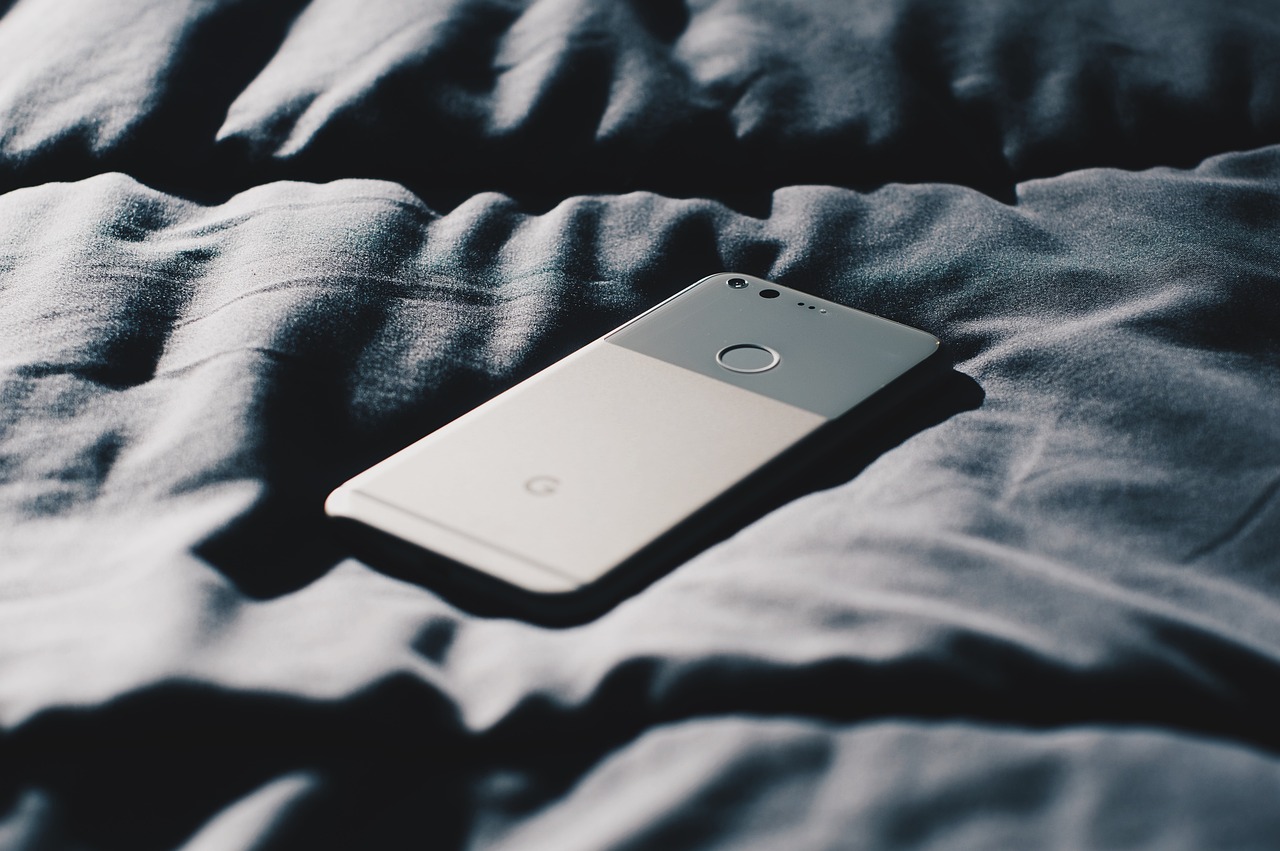

How Electronic Device Usage Before Bed Disrupts Sleep Quality
In today’s digital age, many people find it hard to disconnect from electronic devices before bedtime. The allure of smartphones, tablets, and laptops often keeps individuals engaged late into the night. This habit can significantly hinder sleep quality due to several reasons. Firstly, blue light emitted from screens can interfere with the body’s natural production of melatonin, the hormone responsible for regulating sleep. Studies indicate that exposure to blue light can delay sleep onset and reduce the total amount of sleep. Furthermore, engaging with social media or highly stimulating content can elevate stress levels, making it difficult for the mind to unwind. Finally, the notifications and distractions are frequent, pulling users back to their devices. To improve overall health and sleep quality, minimizing screen time in the hour before bed is crucial. Establishing a digital curfew allows the mind to relax, preparing the body for restorative sleep. By understanding the impact of screens on sleep, individuals can take proactive measures to enhance their sleep hygiene and cognitive function. Prioritizing quality sleep is vital for overall wellness and productivity.
The impact of screen time on our sleep is compounded by the activities we engage in while using our devices. Many individuals use their phones or tablets to browse social media, play video games, or watch captivating content just before going to bed. These activities not only stimulate the brain but can also lead to an adrenaline rush that disrupts the process of falling asleep. Engaging with content that provokes emotional responses can cause users to ruminate on various thoughts or feelings, preventing relaxation. Instead of winding down, many people find themselves more alert and anxious. Experts recommend replacing screen time with calming activities, such as reading a physical book or practicing mindfulness exercises. These alternatives encourage relaxation and set the stage for a more peaceful transition into sleep. In addition, creating a bedtime routine that prioritizes these activities over technology can lead to a more consistent sleep schedule. Consistency can enhance the body’s circadian rhythm, leading to improved sleep quality over time. The choices we make in our pre-sleep hours profoundly impact our ability to achieve deep, restorative sleep.
Creating a Sleep-Inducing Environment
Establishing a sleep-conducive environment can further help combat the adverse effects of electronic device usage before bed. Some fundamental aspects to consider include the lighting, temperature, and overall ambiance of the sleeping area. Keeping the bedroom dark is essential, as darkness prompts the body to release melatonin. Additionally, experts advise maintaining a cool room temperature, typically between 60 and 67 degrees Fahrenheit. Reducing noise and eliminating potential distractions from electronic devices can ensure a peaceful space designed for sleep. Consider using earplugs or a white noise machine if external sounds are an issue. Incorporating calming scents, like lavender, through essential oils can enhance this environment even further. This creates a multi-sensory approach to promote relaxation. Implementing these strategies allows individuals to improve their overall sleep quality effectively. Moreover, the use of blackout curtains can prevent residual light from street lamps or passing cars, enabling deeper sleep cycles. By consciously creating a sanctuary for rest, overnight rejuvenation becomes more attainable, countering the disruptive tendencies introduced by electronic devices.
Mindful engagement with technology before sleep is also an important factor in fostering better sleep quality. One effective strategy to achieve this is to set specific limits on device usage before bedtime. Creating a technology-free zone in the hour leading up to sleep allows for the adoption of healthier rituals. This can include activities such as gentle yoga, meditation, or journaling, enabling the brain to unwind. Setting boundaries may also extend to using apps that limit screen time or filtering blue light automatically during evening hours. Individuals can establish a designated space for devices, encouraging disconnection during downtime. For families, establishing these norms can help create a shared understanding of the importance of mental health in connection to sleep. By emphasizing quality sleep, parents can model healthy practices that benefit children in the long run. Consistency and cooperation within these routines strengthen collective well-being. Understanding technology’s role in their sleep lives empowers individuals to make deliberate choices, leading to healthier outcomes and enhanced resilience against the negative effects of sleep disruption.
The Importance of Sleep Hygiene
Improving sleep quality is not a standalone effort; it necessitates a comprehensive understanding of sleep hygiene practices. Sleep hygiene refers to a set of habits and routines that facilitate a good night’s sleep. One of the core principles is maintaining regular sleep and wake times, even on weekends. This helps regulate the body’s internal clock, making it easier to fall asleep and wake up. In addition, creating a relaxing bedtime routine helps signal the body that it’s time to wind down. Limit any stimulating activities in this period for the best results. It is also crucial to assess your mattress and bedding for comfort and support; inadequate sleep surfaces can contribute to restless nights. Alongside these practices, minimizing caffeine intake and avoiding large meals close to bedtime will further enhance sleep quality. By embracing sleep hygiene principles, individuals can foster a healthier sleep environment overall. Increasing awareness of how habits interact with sleep allows for intentional choices that benefit physical and mental well-being too. Prioritizing sleep hygiene can be a game-changer for those seeking better rest.
Finally, it’s important to recognize that not all activities before sleep are inherently damaging. Some electronics may provide calming content that promotes better sleep when used mindfully. Consider the use of apps that offer guided meditation or soothing music, which can help you unwind. Podcasts focused on mindfulness or storytelling can also serve as beneficial alternatives to more stimulating content. The key lies in being selective about the types of media consumed. Choose content that facilitates relaxation rather than engagement. Many people find that a good trend is to introduce transition periods when switching from screen time to bed. For example, instead of going directly from scrolling on social media to sleep, dedicate time for stretching or deep breathing. This practice can help ease the mind into a restful state. Enhancing sleep quality means creating a holistic approach to bedtime that balances the potential downsides of technology. By embracing a blend of strategies, transitioning from screen-induced stimulation to restful sleep can be achieved. This conscious approach allows healthier relationships with technology without sacrificing precious rest.
Conclusion: Embracing Better Sleep Practices
Ultimately, understanding how electronic devices affect sleep quality is crucial for any individual seeking improvement. The effects of blue light, engaging content, and notifications can significantly disrupt sleep, but proactive measures can counteract them. By embracing healthier sleep practices and creating a calm pre-sleep routine, individuals can preserve the integrity of their sleep. In today’s world, where digital interactions are prevalent, intentionally making time for rest remains vital. The commitment to mindful device usage before bedtime can lead to profound benefits for one’s overall well-being. Foster better relationships with technology and prioritize sleep as an essential aspect of a balanced lifestyle. Emphasizing the importance of sleep hygiene, as well as mindful technology practices, sets the foundation for improved sleep quality. Prioritize winding down, establish boundaries, and invest in creating a sleep-friendly environment. The adjustments made in the hours leading up to sleep can significantly enhance restfulness and subsequent daily performance. Embracing these recommendations can lead to better sleep quality ultimately, offering individuals the rejuvenation necessary for a healthier lifestyle.
This article highlights key insights surrounding electronic device usage and its impact on sleep recovery. Through understanding and implementing various strategies, readers can improve sleep quality effectively. Technology isn’t going away, but how we interact with it before bed is crucial. By prioritizing rest, establishing routines, and fostering mindfulness, sleep transformation becomes attainable. Everyone deserves restorative, high-quality sleep, so take steps towards embracing it today.