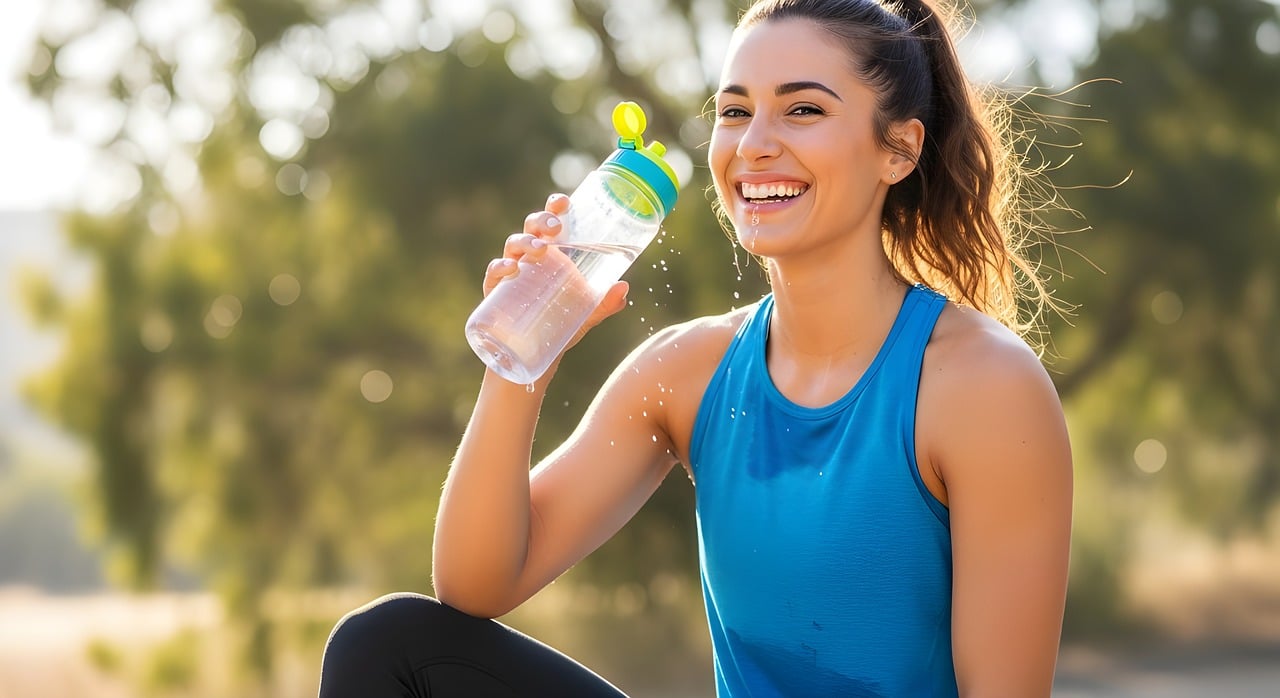

How Hydrating Impacts Stress Hormone Regulation in Athletes
Hydration plays a fundamental role in maintaining both physical performance and mental health for athletes. When the body is dehydrated, various physiological functions become compromised, leading to increased levels of stress hormones, which can negatively affect performance and recovery. One critical hormone, cortisol, is released during stressful situations, including dehydration. Elevated cortisol levels can hamper an athlete’s ability to recover from intense workouts and can increase feelings of anxiety and stress. Hydrating properly helps regulate these stress hormones, ensuring a more balanced response to physical exertion. Proper hydration contributes to cognitive function and mood, which are crucial for athletes during training and competition. The process of thermoregulation is also impacted by hydration levels. When dehydrated, not only does performance suffer, but mental clarity decreases and focus works against the athlete’s interest. By ensuring adequate fluid intake, athletes can optimize their performance while keeping their stress levels in check. Attention to hydration should be a vital part of an athlete’s daily routine, as it can lead to significant improvements in both mental resilience and overall performance during competitive events.
Understanding the relationship between hydration and stress hormones is essential for athletes aiming for peak performance. Dehydration not only disrupts physical capabilities but also impacts mental states significantly. Research indicates that even modest dehydration can lead to an increase in cortisol levels, which can result in anxiety, mood swings, and decreased motivation. In an athletic context, this can hinder training effectiveness and affect competition outcomes. Therefore, developing a proactive approach to hydration is crucial for maintaining optimal hormone balance. Strategies may include setting hydration goals, monitoring fluid intake, and recognizing signs of dehydration before they impact performance. Electrolyte balance is another vital aspect of hydration to consider, as it can influence how well the body manages stress. Incorporating ingredients like potassium and sodium in hydration strategies can further enhance the effectiveness of water intake. Furthermore, athletes must learn to associate physical sensations that signal thirst with immediate hydration responses instead of waiting until they feel uncomfortable. This mental shift is essential for performance and mental clarity, driving home the importance of maintaining hydration throughout the day.
Hydration Strategies for Athletes
Implementing effective hydration strategies is crucial for athletes looking to manage stress hormones effectively. Beyond drinking water, a variety of solutions can optimize hydration, including electrolyte-rich sports drinks and functional waters. These options provide essential minerals that aid in performance recovery and mental sharpness. Consuming fluids at regular intervals during workouts is more beneficial than waiting for thirst to set in. Athletes can benefit from tracking their fluid loss through sweat to determine individual hydration needs. One effective strategy is the application of the ’20-20-20 rule’: every twenty minutes, consume twenty ounces of fluid to minimize dehydration impacts. Additionally, monitoring urine color can be a quick way to gauge hydration status, with pale yellow indicating optimal levels. Hydration strategies should also consider the timing of fluid intake, as pre- and post-workout hydration significantly influences recovery. Athletes should establish goal-oriented hydration plans that fit their specific training requirements. These plans promote not only optimal hydration but also help regulate stress hormones, contributing to better mental health outcomes and improved performance.
In conclusion, managing hydration is fundamentally linked to stress hormone regulation in athletes. The mental health benefits that come from proper hydration include decreased anxiety levels and improved mood, which are crucial for an athlete’s overall performance. By prioritizing hydration as a key aspect of their training, athletes can maintain a level of mental clarity that promotes focus during both training and competitions. Additionally, a hydration routine that is tailored to individual needs can lead to enhanced emotional resilience. Considerations like environmental factors and intensity of workouts should guide hydration practices. It’s essential for athletes to develop a personal hydration strategy and recognize when their bodies require fluids. This enhanced body awareness leads to better decision-making in moments of stress, promoting a proactive choice in hydration. More research into hydration strategies will continue to shape our understanding of this complex relationship. Ultimately, staying hydrated is not just about quenching thirst; it’s about managing physiological stress responses that come from an active lifestyle. Fostering positive hydration habits can help athletes perform consistently at their best.
Practical Tips for Staying Hydrated
To enhance hydration efforts, athletes can adopt practical tips and habits that encourage better fluid intake. Keeping a reusable water bottle close during workouts serves as a consistent reminder to drink water. Incorporating hydration breaks into training sessions can facilitate better habits, allowing athletes to hydrate without feeling rushed. Consuming hydrating foods, such as fruits and vegetables, can provide essential fluids while also giving necessary nutrients. Snacks like watermelon, oranges, and cucumber contribute to overall fluid intake. Scheduling hydration around training times, including pre- and post-session fluids, ensures that athletes maintain their hydration strategy efficiently. Additionally, athlete-friendly hydration apps can help track water intake and set personal hydration goals effectively. It is also beneficial to include electrolytes after intense workouts to restore balance in the body. Exploring various hydration options available in today’s market, from ready-to-drink beverages to powders, can provide customized nutrition tailored for specific needs. Athletes can experiment with flavors to make hydration enjoyable, thus encouraging regular fluid intake. No matter the method, a commitment to hydration will yield positive outcomes for stress hormone regulation and mental health.
Athletes should be aware of the signals their bodies provide concerning hydration. Monitoring signs of dehydration, like dry mouth, fatigue, or cramping, is essential for timely hydration. Additionally, incorporating a pre-workout hydration routine can prepare the body for high-intensity activities. Engaging in self-assessment regularly allows athletes to be in tune with their hydration status and advocates for proactive measures to maintain balance. Athletes can also benefit from educating themselves about the specific hydration demands associated with their sports, as some activities lead to more fluid loss than others. They can seek advice from nutrition professionals to develop hydration protocols that cater to their unique physiological responses. Cultivating awareness helps build a hydration culture within athletic communities, allowing peers to support each other in their hydration goals. Sports teams can create initiatives that emphasize immersive hydration education and group challenges that encourage accountability. Coupled with individual practices, a community effort will promote consistent hydration, enhancing performance while safeguarding mental health. Implementing synergy between personal and team hydration strategies ensures that all athletes flourish under optimal conditions.
The Future of Hydration Research
As the relationship between hydration and mental health is explored further, future research will focus on understanding various factors influencing hydration practices among athletes. Emerging studies are examining the cognitive effects of hydration on performance, especially in high-pressure situations. With the rise of wearable technology, tracking moisture levels in sweat and urine may lead to more personalized hydration strategies tailored to individual needs. This data-driven approach could radically enhance how athletes view and implement hydration in their routines. Furthermore, advancements in hydration science may inform improved formulations for beverages that are more effective in terms of electrolyte balance, taste, and digestion. Also, expanding knowledge about hydration impacts on long-term mental health suggests a significant area for continued research. As mental health awareness within sports grows, the imperative to understand hydration’s role will unequivocally be pushed forward. The fitness and sports industries can promote further educational initiatives aimed at enhancing hydration knowledge, which will ultimately produce healthier athletes. Commitment to hydration research is crucial for integrating optimal practices that support not just physical health but also psychological well-being in sports.
Incorporating hydration education into athletic programs can raise awareness about the profound influence hydration has on stress regulation. Collaborative efforts among coaches, sports scientists, and mental health professionals can enrich athletes’ understanding of hydration strategies and their implications for performance. This multi-disciplinary model promotes a holistic approach to athletic training that emphasizes the intersection of physical needs and mental health. Many athletes may overlook hydration, prioritizing external aspects of training over internal factors, which are equally essential. Through workshops and seminars, athletes can gain valuable information regarding the linkage between adequate fluid intake, improved mood, and reduced performance anxiety. As hydration becomes increasingly recognized as a vital component of overall fitness, sports organizations can lead initiatives that drive home these principles. Continuously updating hydration protocols related to evolving practices will ensure athletes remain informed about the latest findings in hydration science. Ultimately, prioritizing hydration aligns with the aspiration for optimal performance and mental health, enabling athletes to face challenges with composure and resilience throughout their careers. With a dedicated focus on hydration, the pathway towards athletic excellence and mental resilience becomes clearer, equally benefitting both sports performance and mental health outcomes.