
Neuromuscular Coordination Improvements Following Skill Training
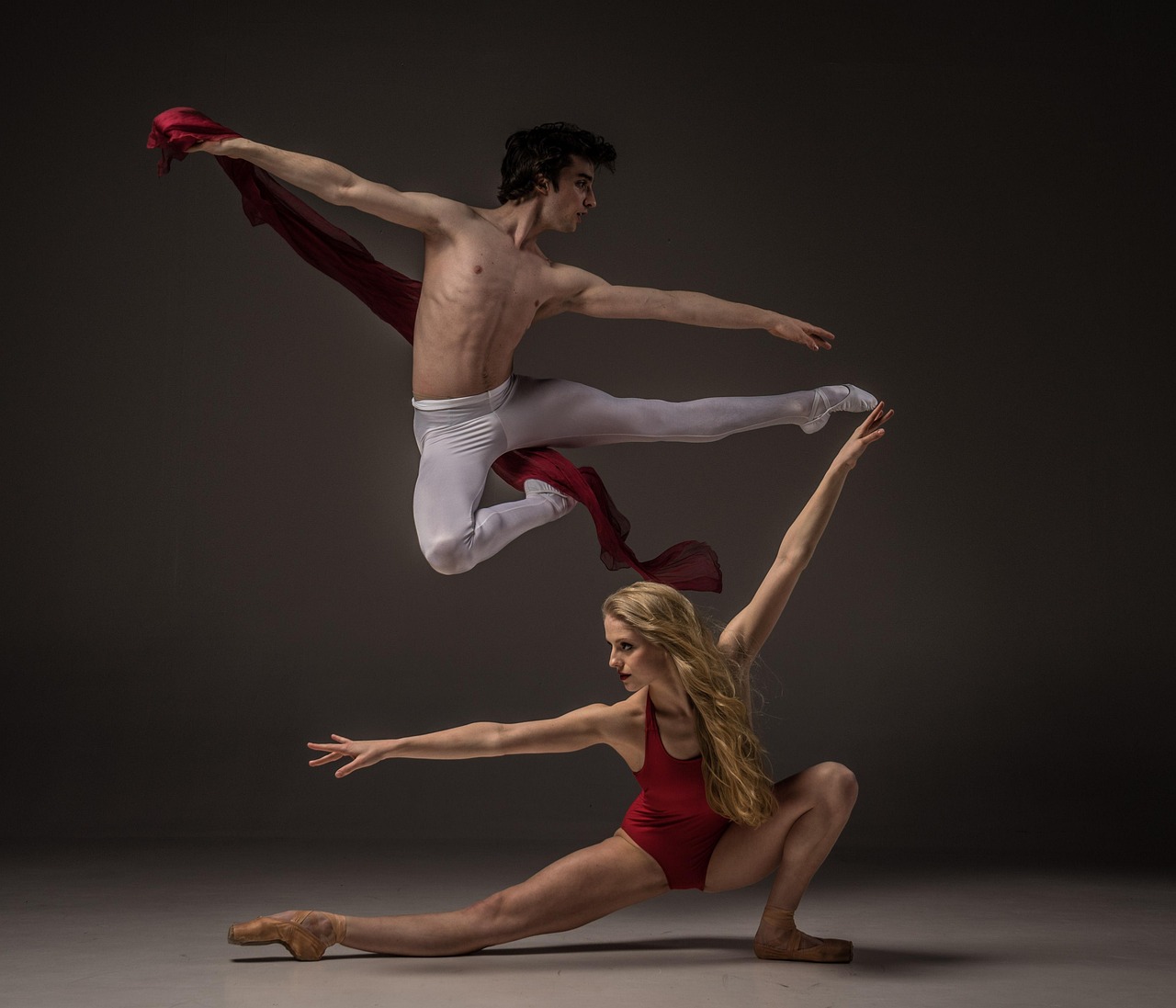
The concept of neuromuscular coordination pertains to the intricate interplay between the nervous system and muscular system, facilitating smooth movement execution. A critical aspect of this coordination involves how the brain formulates a motor plan, which is then relayed to the appropriate muscles to perform a desired action. This skill of executing movements encompasses a range of activities, from everyday actions like walking and eating to complex sports maneuvers and dance routines. Enhancing neuromuscular coordination can significantly heighten an individual’s efficiency, speed, and precision in these activities. For instance, athletes often undergo intensive training routines designed to improve their coordination and overall performance. They engage in repetitive practice to enhance the neural pathways that dictate their muscle responses. This leads to faster reaction times and improved muscle recruitment during dynamic movements. Consequently, the benefits of targeted skill training extend beyond physical sports performance; they also promote improved functionality in daily life activities which require coordinated movements. Understanding how these adaptations occur enhances approaches in rehabilitation and sports training practices to nurture neuromuscular efficiency effectively.
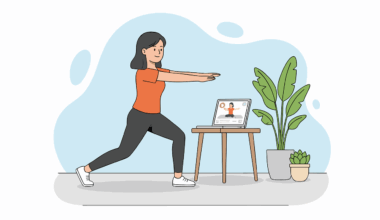
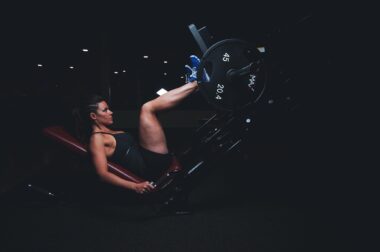
When discussing training methodologies that optimize neuromuscular adaptations, the principle of specificity plays a vital role. Specificity hinges on the idea that the body adapts specifically to the imposed demands of any given exercise or skill practice. Therefore, to enhance a particular aspect of coordination, training regimens should mirror the specific movements or skills involved, whether in sports or rehabilitation settings. For instance, training for a sprint involves different neuromuscular demands compared to a long-distance run, necessitating tailored training approaches. Incorporating balance exercises, proprioceptive training, and agility drills are essential in developing neuromuscular coordination. Studies have shown that such targeted exercises facilitate improved synaptic efficiency and, subsequently, muscle response time. Additionally, cross-training allows for the engagement of different muscle groups in varied ways, further enhancing overall coordination. By diversifying training protocols, athletes and individuals aiming to improve coordination can prevent overuse injuries while also promoting adaptations that are beneficial for overall performance. Thus, understanding specificity in coordination training helps in designing effective programs to maximize neuromuscular performance outcomes.
The Role of Feedback in Skill Learning
Another critical element in enhancing neuromuscular coordination through skill training is the role of feedback. Feedback can be intrinsic, arising from the body’s inherent sensations, or extrinsic, provided through coaches or technology. Coaches often offer guidance, while technology includes wearables or performance analysis tools that provide real-time feedback. Such feedback is essential in skill learning as it allows individuals to adapt their techniques based on performance outcomes. Immediate feedback can accelerate the learning process, ensuring corrections are made on the fly, reinforcing proper mechanics, and striking an optimal balance between improved performance and confidence. Research indicates that feedback enables practitioners to identify not only errors but also positive outcomes in their movements. Furthermore, practicing under varied conditions with fluctuating feedback scenarios also boosts adaptability and decision-making abilities concerning movement patterns. Consequently, this dynamic aspect of learning emphasizes the importance of continuous refinement in techniques that promote better neuromuscular coordination. Individuals engaging effectively with both forms of feedback can see notable improvements in their performance, thereby enhancing their neuromuscular adaptations over time.
Moreover, mental imagery has emerged as an impactful tool in complementing physical practice aimed at improving neuromuscular coordination. This cognitive technique involves visualizing specific movements, facilitating neural activation of muscle groups without physical execution. Studies reveal that mental practice can influence neuromuscular pathways similarly to physical training, allowing users to hone their skills through visualization. By imagining performing a skill, individuals can mentally rehearse and develop muscle memory, potentially leading to performance improvements even before executing the actual movements. This approach is instrumental for athletes, safeguarding them against injuries during recovery periods by maintaining engagement with their techniques cognitively. Additionally, the incorporation of mental imagery in training can enrich focus and determination, two vital components when working on neuromuscular efficiency. In situations where physical practice may be limited by external factors like time or environment, mental rehearsal presents a valuable method to enhance coordination. Such practices underscore the multifaceted nature of skill acquisition and adaptation, pointing towards the cerebral aspects of neuromuscular training that are often overlooked.
Recovery Strategies to Enhance Coordination
Recovery strategies play a crucial role in the domain of neuromuscular adaptations and skill training. Adequate rest is essential for muscle rebuilding and neuromuscular efficiency enhancement. Recovery allows the central nervous system to reset after intense workouts, ensuring that the connections between neural pathways and muscular response can adapt. It is crucial to recognize that recovery strategies encompass various practices, including active recovery sessions, proper nutrition, hydration, and restorative sleep patterns. Active recovery incorporates low-intensity movements that stimulate blood flow without overexertion. Good nutrition supports muscle repair through the intake of macronutrients and micronutrients, essential for physiological adaptations. Hydration helps to maintain optimal muscle contractions and neural functions, vital for performance. Additionally, restorative sleep profoundly influences cognitive and physical performance due to its impact on memory processes that are relevant for skill retention. Consequently, implementing effective recovery strategies fosters ongoing improvements in neuromuscular coordination as they allow the body to adapt progressively without falling into fatigue, ultimately enhancing training outcomes and overall performance in various physical activities.
Furthermore, recent advancements in technology are reshaping how athletes and practitioners approach neuromuscular training and coordination enhancement. The integration of tools like motion capture systems, biomechanical analysis software, and wearable sensors provides detailed feedback on movement patterns and execution quality. Such innovations facilitate comparisons between desired techniques and actual performance, thereby pinpointing areas needing improvement. Athletes can leverage this data to fine-tune their coordination practices, personalize training sessions, and identify specific challenges. Motion analysis helps in recognizing biomechanical deficiencies that might hinder performance, allowing targeted interventions. This targeted approach enhances not only efficiency during practice but also reduces the risk of injury through the optimization of movement mechanics. Additionally, virtual reality and augmented reality technologies are paving the way for engaging environments where users can simulate scenarios to practice neuromuscular skills in dynamic conditions. The incorporation of such advanced technology enhances motivation and brings a novel dimension to skill training strategies, affording practitioners comprehensive insights into the neuromuscular adaptations stemming from coordinated physical activities.
Application in Rehabilitation
Incorporating principles of neuromuscular coordination into rehabilitation practices plays a vital role in recovery for individuals recovering from injuries. Neuromuscular training enhances the relearning process of motor skills through structured, repetitive exercises focused on specific movements. Rehabilitation strategies often emphasize closed and open kinetic chain exercises, beneficial in rebuilding strength and coordination simultaneously, allowing injured muscles to re-engage effectively. These exercises can be progressively integrated into recovery plans, adjusting load and intensity based on individual capabilities. Emphasizing balance and proprioception through functional training also caters to a more comprehensive recovery experience, addressing not only muscular strength but also coordination. The positive outcomes from this approach facilitate quicker recovery times and help in restoring confidence in movement abilities. Rehabilitation professionals are increasingly adopting neuromuscular retraining to ensure that patients regain optimal function while mitigating the risk of re-injuries. By reinforcing neural pathways, rehabilitative efforts foster not just physical recovery but holistic development encompassing both physical performance and psychological readiness to resume normal activities. This methodology signifies a more advanced understanding of the integration of neuromuscular adaptations within rehabilitation frameworks.
In conclusion, the journey of enhancing neuromuscular coordination through skill training requires a multifaceted approach integrating practice, feedback, recovery, technology, and rehabilitation. Athletes, trainers, and rehabilitation specialists should collaboratively examine these components to create comprehensive strategies targeting efficient movement execution and performance optimization. Understanding the intricacies of neuromuscular adaptations reveals valuable insights into designing personalized training programs that resonate with an individual’s distinct goals. It emphasizes personalized methodologies accommodating varying movement styles, physical capabilities, and recovery needs. The profound influence of both physical and mental strategies on coordination sheds light on its intricate nature and importance throughout various life aspects. Ultimately, consistent training coupled with innovative practices can significantly uplift an individual’s neuromuscular coordination, enhancing their overall capability in sports, daily activities, and beyond. As researchers continue to examine the underlying mechanisms, the integration of advances will further refine skill training and rehabilitation practices, ensuring elevated performance levels and quality of life. Continued emphasis on neuromuscular coordination improvements through skill training can drive individuals towards not only achieving their personal bests but also reach new heights in their respective disciplines.