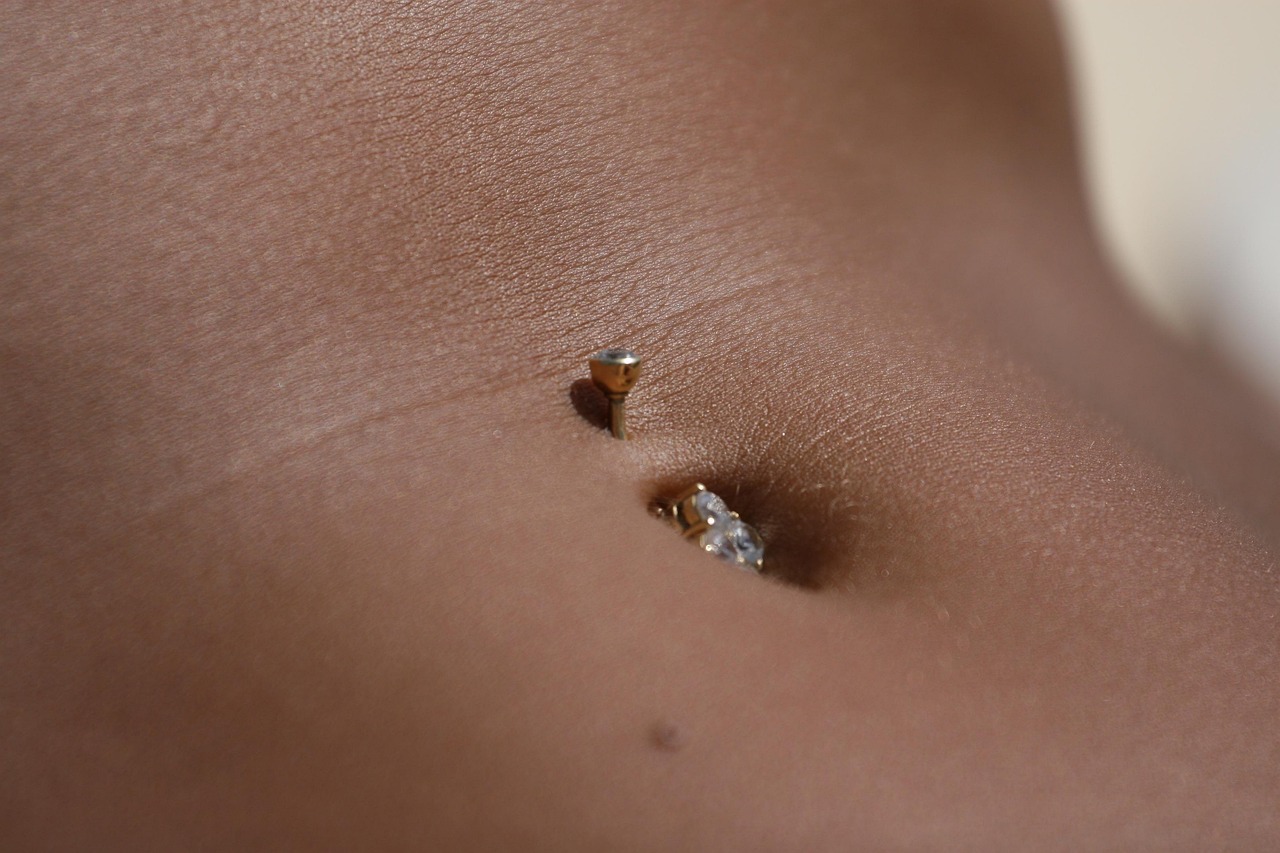

Piercing Placement Considerations for Athletes and Fitness Enthusiasts
When athletes and fitness enthusiasts consider body piercings, placement becomes critical to ensure safety and comfort during physical activity. Specific locations on the body may be more susceptible to irritation and injury, especially in contact sports or those involving significant movement. For instance, piercings on the ears tend to be less obstructive and can generally withstand training without causing issues. However, facial piercings, such as lip or eyebrow studs, may interfere with equipment like helmets or mouth guards. As a result, placement should consider the type of sport practiced and equipment used, which can affect healing and safety. Proper placement not only ensures that athletes can perform without hindrance but also promotes quicker healing and reduces the likelihood of infection. Athletes often opt for piercings in less vulnerable areas, like cartilage or simple earlobes. A major consideration should also include the timeframe as piercings require a healing period and aftercare. Additionally, common materials for piercings used are titanium or surgical steel to limit allergy occurrences. Overall, careful evaluation of placement contributes significantly to a positive athletic experience.
In addition to assessing placement, the timing of getting a piercing matters significantly for athletes. Scheduling a new piercing around training cycles is essential, ensuring that the time during healing does not conflict with important competitions or events. Ideally, athletes should plan to have any body modification done during the off-season or times of reduced activity. This allows adequate time for healing and reduces the potential for complications. For those heavily involved in sports, waiting for the right moment is prudent to encourage a thorough healing process. As athletes engage in intense workouts, they need to monitor how their body responds to the piercing, adjusting their routine as needed. While some may rush into getting their piercings, it’s critical to prioritize proper aftercare and healing. Neglecting these aspects can lead to prolonged discomfort or infections, which could sideline them from training. Additionally, avoiding strenuous activities that might aggravate the piercing will promote better healing. Remember to consult with professional piercers who specialize in placements for active individuals. This will provide insight into safe practices and the best jewelry that can aid recovery while maintaining aesthetic appeal.
Jewelry Selection for Active Lifestyles
Choosing the right jewelry is paramount for athletes who wish to have piercings. Materials play a crucial role in ensuring comfort and minimizing risks associated with allergic reactions. Common high-quality materials include titanium, surgical stainless steel, and niobium. These metals are less likely to cause irritation and are resistant to tarnishing, making them ideal for active lifestyles. Additionally, the shape and size of the jewelry can significantly affect a piercing’s comfort level during movement. For example, opting for smaller gauges or stud-style jewelry can minimize snagging on clothing or sports equipment, which minimizes potential damage. Athletes should also consider the design of the jewelry, ensuring it accommodates their training schedules. Styles that flush against the body tend to pose less risk, whether in gymnastics or contact sports. It is essential to opt for jewelry specifically designed for sports enthusiasts, which can withstand rigorous movement and varying conditions. Furthermore, always remember to consult with a professional piercer for recommendations on safe jewelry selections that provide a balance between aesthetics and functionality in active environments.
Aftercare is vital for maintaining piercing health, especially for athletes who face unique challenges. Proper hygiene practices post-piercing ensure that the area remains free from bacteria, minimizing infection risks. Consistent cleaning with saline solutions or designated aftercare products will keep the piercings sanitized. Athletes must avoid touching their piercings to prevent introducing germs, particularly after workouts where sweat and dirt may accumulate. It is also crucial to avoid changing the jewelry during the healing phase, as a new material may cause adverse reactions or disrupt healing. If any discomfort occurs, such as swelling or unusual drainage, seeking professional help is vital for proper diagnosis and treatment. As athletes re-engage in physical activities, they should also be aware of any changes in their routine that might impact the healing process. Additionally, keeping the area dry post-workout and avoiding tight clothing around the piercing can further aid in healing. Awareness of one’s body and its response to the piercing is key, as it allows athletes to modify their routines while focusing on recovery and long-term results.
Sports-Specific Considerations
Different sports involve varying levels of physical contact and movement, presenting unique piercing challenges. Athletes in contact sports, such as football or rugby, should consider removing piercings entirely during games or practices to avoid injury. Collisions can easily snag earrings or facial piercings, leading to painful tearing or worse. In contrast, individual sports like swimming may allow the retention of piercings, provided they are properly secured and do not interfere with swim gear. Swimmers should choose materials that are resistant to chlorinated water or salt conditions, which can be harsh on jewelry. Furthermore, those who engage in extreme sports should take additional precautions, as risk factors like falls can impact healing or damage the piercing. It becomes essential for athletes to assess each sport’s potential impacts on their body modifications and adapt accordingly. Always prioritize safety over aesthetics, ensuring that the piercing placement cannot pose an injury risk during activities. Balancing personal style with practical considerations will deliver the best outcome for athletes pursuing their passions effectively.
Consultation with healthcare professionals is an integral part of ensuring that athletes are equipped with the right knowledge concerning piercing care. Before getting a new piercing, discussing plans with a sports physician can provide valuable insights into potential risks, especially for those with underlying health conditions. Athletes may also benefit from consulting with professional piercers who are informed about specific sports-related concerns. These specialists can help devise strategies to minimize risk factors related to body modifications during activity. Furthermore, understanding how to read body signals during the healing process will empower athletes to make informed decisions about their training routines. The professional advice will include guidance on potential complications and clearer guidelines on maintaining hygiene. Being informed can significantly enhance experiences for athletes, ensuring they can safely enjoy their body modifications while performing at high levels. It is essential to stay updated on healthy habits surrounding piercings, as these not only contribute to aesthetics but also support long-term wellness and active involvement in sports. Ultimately, proactive management of any body modification will yield both benefits in self-expression and minimize health risks.
Conclusion: Embracing Body Modifications
For athletes and fitness enthusiasts, incorporating piercings into their lifestyles can be rewarding when handled with care and consideration. Understanding insertion locations, timing, jewelry selection, aftercare, and sport-specific concerns plays a vital role in managing effectively. Body modifications can indeed serve as forms of expression and enhance individuality while participating in physical activities. Taking the time to plan appropriately and maintain high hygiene standards will yield remarkable benefits that complement an athlete’s lifestyle. Ultimately, the journey of body modifications reflects personal choices, passion, and health, aligned harmoniously with one’s profession or interests. Athletes can often inspire others by showcasing their unique styles while excelling in their respective sports. Living authentically encapsulates the athlete experience and promotes long-lasting pride in their achievements. Everyone should embrace body modifications responsibly and work with professionals to make informed choices, ensuring successful integration into active lives. The freedom of self-expression paves the way for confidence, and it holds true for all athletes striving for greatness. As such, maintaining the balance will allow individuals to revel in both their passions and their pleasures creatively.