
The Future of Rehabilitation: Combining Ergonomics and Posture Science
The integration of ergonomics and posture science signifies an innovative leap in rehabilitation methodologies. This complex interplay focuses on optimizing body mechanics and fostering better health outcomes. With the rapid advancement of technology, rehabilitation strategies are evolving to incorporate these principles. Ergonomics helps identify how body movements impact recovery, while posture science emphasizes the importance of alignment during rehabilitation. A balanced approach leads to improved mobility, reduced pain, and enhanced overall functionality. Rehabilitation professionals increasingly assess individual needs to tailor strategies specifically aimed at postural correction. They are also utilizing ergonomic assessments to determine the most beneficial practices for their clients. These techniques bridge the gap between traditional rehabilitation and modern ergonomics, ensuring a more comprehensive healing journey. Furthermore, the role of education is crucial in this integration process. By educating patients about effective posture techniques and ergonomic principles, we empower them to actively participate in their rehabilitation journey. As we look ahead, the merging of these disciplines promises a holistic framework for rehabilitation that is effective, innovative, and responsive to individual needs.
To further enhance rehabilitation practices, understanding the foundation of posture is vital. Posture plays a critical role in dictating physical health and influences both acute and chronic pain conditions. It directly impacts the risk of developing musculoskeletal disorders, which are prevalent among individuals undergoing rehabilitation. Therefore, implementing posture analysis in rehabilitation programs becomes instrumental in preventing such complications. Additionally, practitioners need to focus on ergonomic considerations at work and daily environments. Ergonomically optimized workspaces reduce strain and encourage natural body mechanics, preventing pain exacerbation. Additionally, using ergonomic tools, such as adjustable chairs and desks, aids in maintaining correct posture. Rehabilitation specialists must also consider individual variances: age, body type, and specific ailments all dictate tailored ergonomic solutions. By employing posture science within rehabilitation, professionals can design interventions that promote optimal positioning and muscle engagement. These tailored strategies empower patients to become proactive participants in their recovery process. They gain awareness of their body movements, enhancing both their confidence and the likelihood of a successful outcome. The future of rehabilitation indeed hinges on a deep understanding of posture and ergonomics in securing long-term health benefits for all patients.
Technological Innovations in Posture Rehabilitation
Today, technology significantly shapes rehabilitation practices by introducing innovative tools for monitoring and improving posture. Advanced devices like wearable sensors and mobile applications offer real-time feedback, allowing individuals to correct their posture throughout the day. Such technology aids in the implementation of ergonomic strategies seamlessly into daily routines. By tracking user movements, these devices provide insights into posture patterns, highlighting areas requiring improvement. Medical professionals can utilize this data to create customized rehabilitation plans. For instance, a smart wearable might alert a user when they slouch or sit improperly, thus reinforcing healthy posture habits over time. Moreover, virtual reality (VR) is emerging as a transformative tool in rehabilitation. VR programs can simulate real-world environments, helping patients practice posture correction in safer settings. Such immersive approaches enhance engagement and encourage consistent practice. As technology integrates into rehabilitation, it brings the added benefit of increasing patient accountability. When individuals actively monitor their progress and receive immediate corrective feedback, motivation levels significantly increase. The synergy of tech and ergonomics offers exciting potential for more dynamic and effective rehabilitation solutions. This innovative fusion not only addresses current limitations but also establishes a new paradigm for future health care.
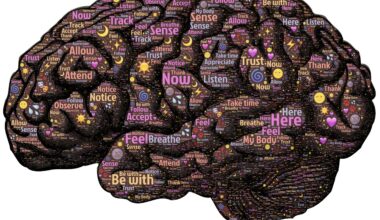
Another crucial aspect of rehabilitation is the role of mental well-being in achieving posture correction goals. Mindfulness and psychological support have proven beneficial in various rehabilitative settings. As patients embark on their recovery journeys, they often encounter challenges, such as frustration or lack of motivation. Utilizing mindfulness techniques can help nurture a more positive mindset, allowing patients to cope with challenges more effectively. Moreover, encouraging positive affirmations about body image and posture can greatly influence an individual’s rehabilitation progress. Combining physical therapies with mental support mechanisms promotes a holistic approach to rehabilitation. Additionally, peer support is invaluable, as groups share experiences and strategies, fostering a collective spirit during recovery. Joint motivation encourages participants to consistently apply ergonomic principles while keeping each other accountable. This approach not only supports emotional health but also strengthens the community aspect of rehabilitation. By integrating mental health practices into rehabilitation programs, practitioners can create environments that foster holistic healing. In turn, this enhances outcomes for patients dealing with various postural and ergonomics-related issues, ensuring a more comprehensive recovery journey. Ultimately, mental well-being should be regarded as equal to physical rehabilitation and essential for successful posture corrections.
Implementing Postural Assessments in Clinical Settings
A key component of modern rehabilitation involves conducting thorough postural assessments in clinical settings. These assessments provide a foundation for understanding the patient’s unique posture and movement patterns. Evaluating an individual’s posture allows for tailoring interventions that address specific imbalances, ensuring effective rehabilitation strategies. Assessment methods may include visual evaluations, digital motion capture, or even specialized software analyzing body position in real-time. Rehabilitation professionals should prioritize evaluating both static and dynamic postures to confirm a well-rounded understanding of individual physical mechanics. By documenting assessment results, practitioners can track progress over time and adjust interventions as necessary. Furthermore, sharing assessment findings with patients fosters collaboration and educates them on the importance of posture and ergonomics. It empowers patients to take ownership of their recovery journey. This collaborative effort will enhance adherence to prescribed ergonomic practices, resulting in more successful rehabilitation outcomes. Beyond the clinical realm, educating patients about the significance of posture in daily activities is critical. Training on recognizing and correcting poor postures in their environment can significantly reduce pain and improve rehabilitation results. Integrating these assessments into practice ensures a more effective approach toward achieving comprehensive rehabilitation.
Additionally, addressing workplace ergonomics is essential for long-term rehabilitation success. Many individuals spend significant hours in office settings which often lead to detrimental postural habits. As part of rehabilitation, practitioners should provide guidance on creating ergonomic workspaces tailored to individual needs. Elements like chair height, monitor positioning, and keyboard placement are crucial in ensuring sitting postures are conducive to good health. Employers can also facilitate ergonomic assessments of their workplace, creating initiatives that prioritize employee well-being. By fostering an environment focused on ergonomics, organizations encourage healthy work habits. Moreover, implementing regular breaks to stretch or adjust posture can significantly enhance productivity and comfort levels. Rehabilitation strategies must educate patients about these workplace practices, ensuring they are equipped with knowledge and skills to maintain good ergonomics long-term. Providing resources, such as ergonomic checklists and resources for workspace adjustments, empowers individuals to create healthier environments. Together, these efforts contribute to lower injury rates, improved morale, and overall productivity. Thus, workplace ergonomics plays an indispensable role within rehabilitation protocols that prioritize sustainable health practices for all employees.
Conclusion: A New Era for Rehabilitation
In conclusion, the future of rehabilitation is bright as ergonomics and posture science collaborate to create innovative and effective strategies. By adopting a comprehensive approach that focuses on individual needs, professionals can craft personalized rehabilitation plans tailored to achieve optimal outcomes. Incorporating technology, mental health, and workplace ergonomics further enhances these strategies, addressing multiple facets of recovery in a cohesive manner. As awareness regarding the importance of posture and ergonomics expands, we can anticipate a shift in rehabilitation paradigms. This transformation signifies a vital step towards ensuring more effective patient outcomes and quality of life improvements. Empowering individuals with knowledge and tools to take ownership of their rehabilitation journeys cannot be overstated. By merging the principles of ergonomics with posture science, we equip patients with the necessary strategies needed for success. Comprehensive patient education, regular assessments, and proactive interventions signal an advancing future within rehabilitation. Ultimately, these efforts will converge to create a new era that prioritizes posture health and wellness, leading to sustainable recovery solutions. This collaborative endeavor highlights the importance of interdisciplinary partnerships in driving rehabilitation practices into uncharted territories of effectiveness and innovation.
As we embrace this new future for rehabilitation, it becomes increasingly crucial to disseminate knowledge and facilitate training for healthcare professionals. The evolution of rehabilitation practices heavily relies on equipping practitioners with the skills to effectively implement ergonomic principles and postural strategies into their routines. Training programs focusing on posture science and ergonomics will empower rehabilitation specialists to remain updated on the latest research and techniques. These educational opportunities must also extend to allied health professionals, creating a comprehensive support system that reinforces the importance of maintaining proper posture. Ultimately, interprofessional collaboration leads to a more streamlined approach to rehabilitation. By fostering a collective understanding of these concepts, we can better address the multifaceted challenges faced by patients. Rehabilitation solutions grounded in sound posture and ergonomic principles can potentially minimize recovery times and enhance the quality of life for individuals navigating injury or chronic pain. Continuous research and exploration into effective practices will guide future advancements in this field. Moreover, fostering a culture that values ergonomics and posture can fundamentally reshape perceptions around recovery. By highlighting success stories, rehabilitation facilities can inspire future patients to pursue active participation in their recovery, thereby reinforcing the principles of ergonomics and effective posture.