
The Role of Anti-Inflammatory Treatments in Sports Medicine
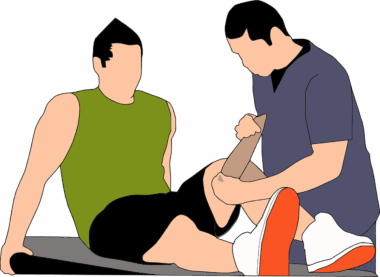
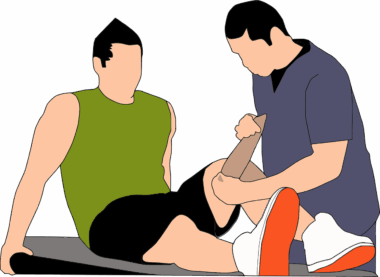
Anti-inflammatory treatments play a crucial role in sports medicine, helping athletes recover from injuries effectively. Athletes frequently experience inflammation due to rigorous training schedules and physical impacts. These treatments can reduce pain and swelling, enabling quicker recovery times. There are various types of anti-inflammatory treatments available, including both nonsteroidal anti-inflammatory drugs (NSAIDs) and corticosteroids. Each option has its own advantages and potential side effects. Athletes should consult medical professionals to determine the best course of action for their particular situations. Physical therapy is often a recommended addition to these treatments, enhancing mobility and promoting healing. Moreover, incorporating natural anti-inflammatory foods into the diet can also support recovery. Foods rich in omega-3 fatty acids, turmeric, and antioxidants can contribute to overall well-being and recovery. Utilizing a holistic approach by combining different methods often leads to the most effective results for athletes. Regular monitoring of the athlete’s condition is essential to adjust treatments as necessary and ensure optimal healing. Addressing not just the symptoms but also the root causes of inflammation can ultimately lead to better long-term outcomes.
In addition to medications, the role of ice and compression cannot be overlooked. Cryotherapy, widely used within sports medicine, effectively reduces inflammation by constricting blood vessels and decreasing metabolic activity. Applying ice to an injury immediately after it occurs is crucial for minimizing inflammation and preventing further damage. Compression bandages can provide support and reduce swelling post-injury. Another important aspect of anti-inflammatory treatment includes the use of supplements designed to combat inflammation. Omega-3 fatty acids and curcumin are examples of supplements backed by research that can aid in decreasing inflammatory responses. While supplements can be beneficial, athletes should work with health professionals to ensure proper dosages and avoid potential interactions with other medications. Moreover, it’s crucial to remain aware of the potential for overuse of NSAIDs, which can lead to gastrointestinal issues or affect kidney function. Seeking guidance on dosage and duration is vital for any athlete considering these medications. Awareness and education about safe and effective practices for managing inflammation in sports can empower athletes to make informed decisions regarding their health and performance.
Understanding Inflammation in Sports
Inflammation is the body’s natural response to injury and stress, playing a fundamental role in sports medicine and recovery. It signifies that the immune system is working to heal tissues and combat infection. However, excessive or chronic inflammation can hinder performance and prolong recovery time for athletes. Managing inflammation effectively is crucial to maintaining peak physical condition. In the context of sports, acute inflammation is necessary for healing; it helps fix tissue injuries. Chronic inflammation, on the other hand, can lead to long-term damage if not addressed. For athletes, understanding the difference between these types of inflammation greatly affects training regimens and recovery protocols. By identifying injuries early and applying appropriate anti-inflammatory methods, athletes can mitigate pain and swelling. Moreover, cross-training and low-impact activities may help keep athletes engaged while preventing further stress on already-injured areas. Creating personalized recovery plans that incorporate both physical treatment and nutrition can optimize healing. Athletes should prioritize rest and listen to their bodies, as this approach can lead to long-term success and lower the risk of re-injury.
Recovery time varies significantly depending on the child’s age, severity of injury, and underlying health issues. Anti-inflammatory treatments can optimize healing processes, allowing athletes to return to their sports more quickly and effectively. Collaborating with sports medicine professionals will facilitate tailored recovery programs. These programs may include physical therapy, a strong rehabilitation plan, and targeted strength training to prevent future injuries. Understanding the specific needs of the athlete and prioritizing individualized care will result in more effective treatments. Athletes must take an active role in their recovery, which includes adhering to prescribed treatment protocols and respecting their limits. Nutrition plays a vital role as well, providing the body with the necessary vitamins and minerals for healing. Proper hydration is equally essential, as water flushes out toxins and keeps muscles flexible. Moreover, athletes can benefit from engaging in mental aspects of recovery, such as visualization techniques. Mental readiness can significantly enhance physical performance and aid in the overall healing process. Athletes should embrace a multifaceted approach that integrates both physical, nutritional, and mental components for optimal recovery results.
Long-Term Benefits of Anti-Inflammatory Treatments
Exploring the long-term benefits of anti-inflammatory treatments reveals their significance in sports medicine. Chronic injuries can be detrimental, leading to extended periods away from competitive sports. By effectively managing inflammation, athletes can maintain their performance levels and prevent injuries from becoming chronic issues. Successful anti-inflammatory treatments increase range of motion and flexibility, crucial attributes for any athlete. Embracing preventive measures, such as proper warm-up routines and nutrition strategies, can significantly reduce the incidence of injury in the first place. Moreover, athletes should be educated about the importance of recognizing early signs of inflammation, which can facilitate prompt interventions, whether through anti-inflammatory medications or alternative natural remedies. Collaboration among athletes, coaches, and healthcare professionals is vital in developing sustainable injury prevention strategies. This team approach fosters a supportive environment for athletes to thrive while minimizing risks. Enhanced communication regarding any concerns regarding treatments or injuries will help ensure effective and timely assistance. Utilizing various modalities for managing inflammation effectively contributes to athletes’ holistic wellness, ultimately supporting their passion for sports while prioritizing health and performance.
As sports medicine continues to evolve, the role of anti-inflammatory treatments will likely expand alongside advancements in medical understanding and technology. Ongoing research into new therapeutic methods and innovation in delivery systems for anti-inflammatory medications will showcase the future of pain management in sports. Further exploration of personalized medicine, which tailors treatments to individual genetic profiles, could enhance the effectiveness of anti-inflammatory approaches for different athletes. This personalized treatment strategy will help athletes optimize their performance while minimizing treatment-related risks. Sports medicine professionals must remain updated on the latest research and therapeutic developments, ensuring athletes receive the most effective care available. Additionally, encouraging a culture of self-advocacy where athletes are engaged in their treatment plans can lead to better health outcomes. A collaborative effort between sports medicine professionals and athletes is essential in adapting treatment plans to the changing demands of sports. By adopting these improved treatment methodologies, athletes can focus on their competitive goals and long-term health simultaneously. The future of sports medicine is promising, demonstrating that an evidence-based approach to anti-inflammatory treatments will significantly influence the world of athletics.
Conclusion
In conclusion, anti-inflammatory treatments are essential for athletes, promoting quicker recovery while maintaining peak performance levels in sports. The integration of various approaches, including medications, therapies, and nutrition, offers a comprehensive strategy for injury management. As the understanding of inflammation deepens, so too will the methods for effectively managing it within the sports medicine field. Recognizing when to seek treatment and the best practices for recovery remains crucial for athletes aiming for longevity in their careers. Each athlete should take ownership of their recovery process, collaborating with healthcare providers to make informed decisions regarding their health. Investing time in preventive techniques and actively engaging in rehabilitation will promote lasting benefits, ultimately leading to a successful sports career. It is crucial for athletes to stay informed about available treatment options and to have open conversations with their medical teams regarding any discomfort or injury. With various options at their disposal and education on how to use them effectively, athletes can enhance their performance and mitigate risks. By prioritizing the management of inflammation, athletes contribute to their long-term success in the demanding world of competitive sports.
Ultimately, the journey of an athlete is a continuous learning process that emphasizes the importance of a balance between training and recovery. Properly addressing injuries and inflammation will not only improve athletic performance but can lead to a healthier lifestyle overall. Anti-inflammatory treatments serve as a crucial arsenal, ensuring that athletes can perform at their best while reducing the risks associated with injuries. The complex relationship between physical performance and the body’s healing processes highlights the necessity for informed decision-making around treatments. Athletes must educate themselves about the various options available and understand that effective injury management goes beyond medication. Encouraging teamwork between athletes, trainers, and medical professionals is key to navigating the challenges associated with sports injuries and recovery processes. This approach will ensure that athletes have the best tools and knowledge at their disposal to face the demands of competitive sports head-on. Maintaining open lines of communication can lead to better treatment compliance and outcomes, proving beneficial for all parties involved. The role of anti-inflammatory treatments cannot be overstated, as they are a vital aspect of sports medicine dedicated to enhancing athletes’ overall health and performance.