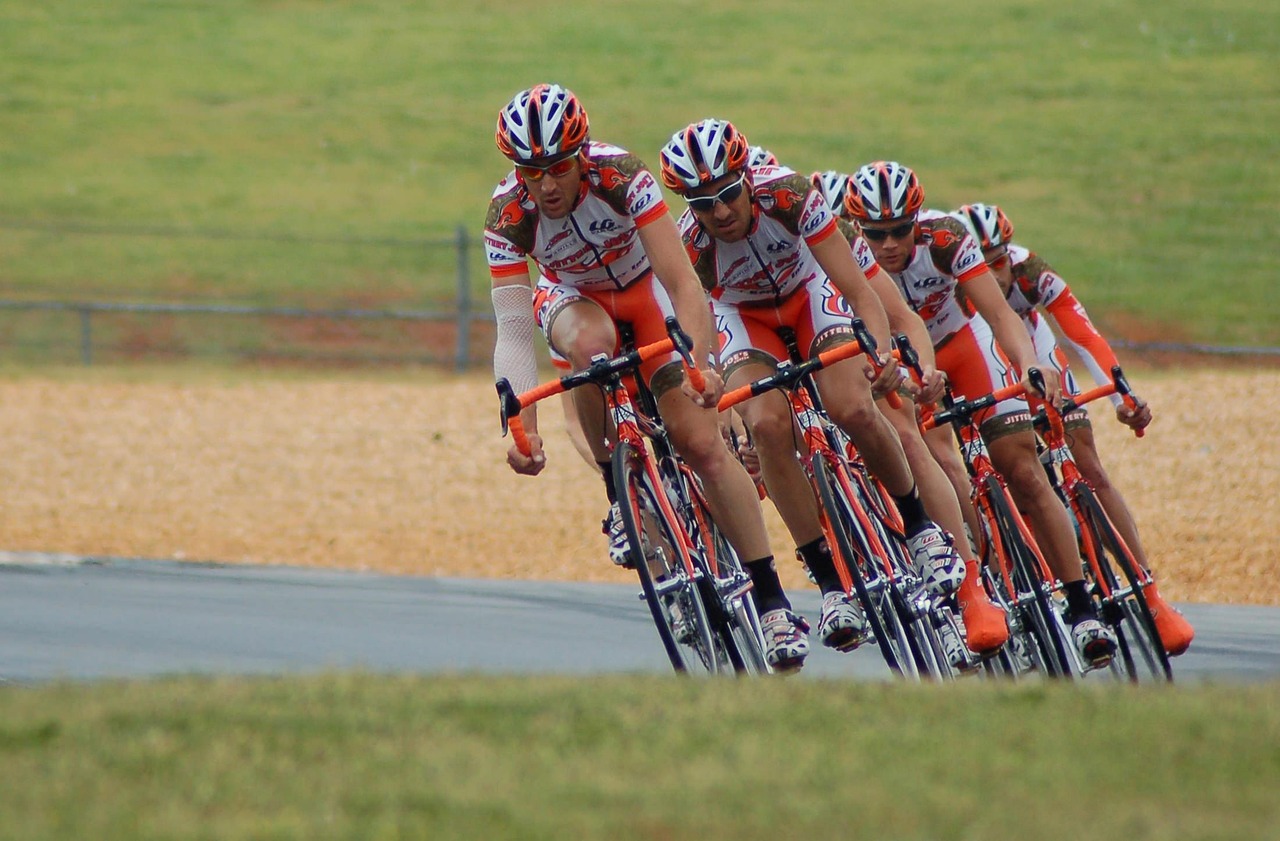

Track Cycling Sprint Challenges
Track cycling sprint challenges test athletes’ speed and explosiveness, hallmark qualities demanded in competitive cycling. These events are usually held on velodromes, where cyclists race against one another or the clock. Sprinting requires more than raw power; it involves strategic pacing, efficient technique, and mental toughness. Athletes compete in individual or team formats, pushing their limits to achieve better times. Training regimens focus on building strength, speed, and optimizing positioning on the bike for aerodynamic advantage. Most cycling trainers emphasize drills that enhance muscle fiber recruitment through explosive sprints, integrating specific workouts tailored to improve acceleration and peak speed. Nutrition and recovery are equally important, allowing athletes to train harder while managing fatigue to stay in top form. Another vital aspect is understanding the rules and regulations governing sprint events, as adherence ensures a fair competition. Additionally, avid followers of track cycling learn about the history and evolution of the sport, enriching their appreciation of the discipline. To engage in these challenges, aspiring cyclists often join clubs or participate in workshops to hone their craft while connecting with fellow enthusiasts. Overall, track cycling sprint challenges combine sport, science, and community, inspiring athletes to excel.
To excel in track cycling, athletes must develop specific skills to overcome the challenges posed by sprint events. Speed endurance is fundamental, demanding cyclists maintain high speeds throughout races while managing energy reserves judiciously. The competitive landscape also features various distances, typically ranging from 200 meters to 1000 meters, requiring specialized training methods for each. Cyclists often strategize their positioning before the race, a crucial factor influencing their chances of victory. Masters of sprinting maintain a keen sense of competition dynamics, reading their opponents while making tactical decisions throughout the race. Coaches and trainers utilize video analysis to assess athletes’ performance, providing insights into areas for improvement. This feedback loop encourages cyclists to set measurable goals for each training phase, establishing clear timelines for performance improvements. Recovery techniques play a pivotal role, involving regimes of stretching, hydration, and nutrition. Moreover, mental preparation cannot be overlooked; visualizing success and manifesting confidence can be powerful tools. Various competitions showcase athletes’ prowess, including national championships and international meets. Cyclists often share their experiences through blogs and vlogs, providing a glimpse into the world of elite track cycling while inspiring new generations to take up the sport.
Training Regimens for Success
A successful training regimen for track cycling sprints encompasses several components designed to maximize athlete potential. Strength training plays a crucial role, focusing on building muscle in the legs and core, fundamental areas for explosive power output. Coaches recommend exercises like squats, lunges, and deadlifts while also incorporating plyometric routines that enhance speed and agility. Beyond strength training, establishing a robust endurance foundation is imperative for sustained performance during races. Cyclists often engage in interval training to boost cardiovascular fitness, involving brief bursts of high-intensity work followed by recovery periods. Flexibility training cannot be ignored as it enhances range of motion, helping prevent injuries and improve overall cycling posture. Each athlete’s training can vary based on experience, fitness levels, and personal goals, leading to tailored programs developed by experienced coaches. Nutrition, especially focusing on macronutrient ratios, dictates energy availability and recovery speed. Regular monitoring through heart rate assessments helps cyclists adapt their workout intensity, ensuring progression in their training. Many riders also participate in group sessions, fostering camaraderie and shared learning experiences, contributing positively to their motivation and overall performance.
Another critical aspect of preparing for track cycling sprint challenges is mastering the mental elements that influence performance. Mindset plays an integral role, dictating how athletes respond under pressure during critical moments in a race. Techniques such as mindfulness, visualization, and goal-setting are widely employed among elite cyclists to enhance mental resilience. By vividly imagining the race or training scenario, cyclists prepare themselves for the competitive environment, reducing anxiety and boosting confidence. Employing breathing techniques may further support performance by increasing focus and calming nerves before intense races. Moreover, analyzing past performances assists riders in developing strategies for improvement. These reflections on successes and setbacks can inform future training, allowing athletes to hone their competitive strategies effectively. Collaborating with sports psychologists provides additional resources for those looking to bolster their mental skills, making this aspect of training just as vital as the physical components. Engaging family and friends can also build a supportive network, essential for motivation and encouragement throughout the training journey. Ultimately, a well-rounded approach that combines physical conditioning with mental preparation leads to encouraging results in track cycling sprint challenges.
Nutrition and Hydration Strategies
Nutrition and hydration are pivotal in optimizing performance during track cycling sprint challenges, directly affecting an athlete’s energy levels and recovery. The demands of intense cycling necessitate a diet rich in complex carbohydrates, providing a steady energy source for prolonged workouts and races. Foods like whole grains, fruits, and vegetables are excellent fuel choices, ensuring cyclists maintain high energy levels. Equally important are proteins, which support muscle repair and recovery after arduous training sessions. Incorporating lean meats, legumes, and dairy into daily meals helps athletes meet their protein requirements. Strategies also emphasize the importance of hydration, particularly before and during competition, ensuring that riders stay properly hydrated to enhance performance and mitigate fatigue. Electrolyte drinks become vital during prolonged exertion, helping replenish lost nutrients and maintain optimal function. Cyclists often experiment with specific nutritional strategies to find what best suits their individual needs, balancing between gut comfort and performance. Post-race meals should prioritize recovery, focusing on rehydrating and replenishing glycogen stores effectively. Athletes often share their insights on nutrition through platforms, highlighting their experiences and providing inspiration for newcomers, enabling a dynamic sharing of knowledge within the cycling community.
Engagement with the cycling community can significantly enhance an athlete’s experience and effectiveness in track cycling sprint challenges. Participation in clubs and local competitions allows riders to connect with like-minded individuals committed to improving their skills. These interactions foster shared knowledge, helping new riders learn from seasoned athletes who offer invaluable insights into techniques, training regimens, and mental strategies. Events such as training camps or workshops not only serve as learning opportunities but also strengthen bonds within the cycling community, creating lasting friendships. Social media platforms have become essential tools for connecting riders globally, allowing athletes to share their journeys, successes, and challenges with a broader audience. Many members utilize these platforms to highlight significant events, creating mutual support among peers. Engaging in discussions and forums can offer fresh perspectives on training approaches, nutrition tips, or upcoming competitions, keeping the community vibrant and alive. The online sphere fosters a sense of global camaraderie, as athletes realize they are part of a larger ecosystem driven by passion and dedication. This sense of belonging often motivates individuals to set and achieve personal goals as they partake in shared challenges with fellow riders.
Conclusion and Call to Action
Ultimately, track cycling sprint challenges offer not only an exhilarating athletic pursuit but also a comprehensive avenue for personal growth and community engagement. Aspiring cyclists are encouraged to explore the sport, regardless of their backgrounds or skill levels, as various opportunities await to foster passion and abilities. Joining a local cycling club provides immediate access to resources, mentorship, and collective encouragement that can propel an athlete’s progress. Setting measurable goals within this sport can help individuals maintain motivation while enjoying the journey of improvement. Additionally, newcomers are urged to embrace the camaraderie found in the cycling community, as shared experiences can lead to lasting friendships and valuable learning. As part of this call to action, participants should regularly assess their training, nutrition, and mental preparation, continually adapting their approaches to stay in peak form. Whenever possible, engage with local meets or races to witness firsthand the thrill and community aspect of track cycling. Whether as a competitor, fan, or volunteer, everyone can contribute to the vibrant world of cycling. So, gear up and take that first step on your cycling journey!
Supplementing training with technology can also enhance performance and foster growth. Wearable devices offer precise metrics about speed, heart rate, and cadence, essential for enabling athletes to make informed decisions during training. Analyzing data over time builds a clearer picture of progress, refining strategies to maximize efficiency. Adaptive training programs use insights to suggest alterations tailored to an individual’s needs, promoting continuous improvement in their performance. Moreover, courses or online platforms dedicated to track cycling provide invaluable resources for learning about the sport’s techniques, coaching methods, and historical context. Understanding the sport from a broader viewpoint cultivates appreciation and encourages participation, making it more inviting to a diverse audience. This approach ensures that cycling becomes an accessible sport to all, appealing to varying skill levels and backgrounds. Whether through technology, education, or community involvement, track cycling sprint challenges encourage both healthy competition and joyful pursuit of personal excellence, enriching lives along the way. It’s about pushing boundaries and achieving greatness while having fun in the process. Everyone is welcome to join in this exhilarating journey!