
Using Technology to Track Training When on the Move
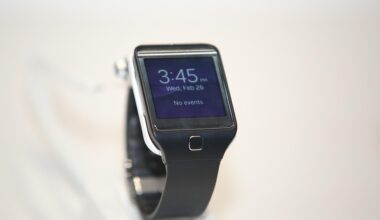
For triathletes, traveling for races can disrupt the training schedule. However, technology offers a way to stay on track. Smart devices and apps provide tools to monitor workouts and performance metrics during travels. Embracing this technology ensures that training remains consistent regardless of location. Most modern smartphones come equipped with various fitness tracking apps and capabilities. These apps offer features, such as GPS tracking, heart rate monitoring, and interval training timers. By using these tools, athletes can keep their training regimen intense and effective wherever they are. Moreover, many apps allow for syncing data across multiple devices, making access easier. In addition to personal devices, utilizing smart gadgets like smartwatches can provide real-time feedback. They enhance training sessions by notifying triathletes of their heart rates and pacing. This data is invaluable when trying to maintain specific training intensities. With the right technologies, triathletes can effectively manage their training schedules even while traveling. It minimizes the risk of falling short in preparation for upcoming competitions. Travel does not have to equate to a training regression with the wealth of tracking technologies available.
Traveling often involves navigating time zone changes and adapting to new environments. Technology can alleviate some of these challenges by helping manage training schedules effectively. By using scheduling apps, triathletes can set reminders and alerts that adjust according to local time zones. This way, workouts are not overlooked amidst the chaos of travel. It also ensures that adequate recovery time is factored in, which is essential for performance. Some apps can even plan out training sessions based on equipment access or location specifics. For example, if you find yourself in a city with beautiful trails or safe swimming spots, the app can suggest workout modifications. Collaborating with local triathlon clubs or coaches through social media platforms can also provide insights into training locations. Online forums and social networks are excellent resources for meeting fellow athletes who can guide you. They provide information about the best routes and safe locations to train. By leveraging both technology and community, triathletes can adapt their training while traveling. This combination enables high-quality workouts, helping athletes to stay race-ready even while experiencing new locations.
Choosing the Right Technology
When it comes to technology, selecting the right devices and applications is crucial. Not all tools are created equal, especially for triathlon training. Athletes should look for multi-sport watches that track swimming, cycling, and running with accuracy. These watches generally come equipped with advanced metrics and features that can benefit training. Additionally, consider mobile applications that offer customizable workouts tailored to triathlons. They often include built-in training plans, allowing athletes to sync their smart devices and get real-time notifications. Look for user-friendly interfaces that simplify tracking and make data analysis engaging. Understanding which metrics to focus on can also enhance training effectiveness. Prioritize metrics that match your training goals, be it endurance, speed, or recovery. Utilize forums or advice columns that profile popular technology in triathlon training. Researching user reviews can guide the decision-making process, ensuring that chosen tools meet your needs. The right devices streamline the training process, providing motivation and accountability. Furthermore, exploring integration options with other platforms can enhance capabilities and provide a comprehensive training overview.
Social media plays a pivotal role in training and accountability for triathletes. Athletes can share their training experiences and motivate each other through platforms like Instagram or Facebook. By connecting with a broader community, triathletes can gain valuable insights and tips from others. Joining online groups dedicated to triathlon training encourages discussions around different technologies and techniques. It also cultivates camaraderie among athletes facing similar challenges. This social aspect can provide emotional support during tough training phases or travel hassles. Moreover, by sharing workout summaries and achievements, athletes create a sense of accountability. Such public sharing can prompt others to provide constructive feedback or offer encouragement. Many athletes even live-stream their workouts to reach a wider audience. This growing trend fosters a sense of shared commitment and progress. Furthermore, utilizing apps that encourage friendly competition can drive performance. Many training apps have community features that allow athletes to race against one another virtually. This spirit of competition can enhance motivation, especially when away from home during training. By embracing the power of social media and community, triathletes can elevate their training journey while traveling.
Maintaining Nutrition on the Go
Beyond tracking workouts, managing nutrition is equally vital for triathletes on the road. Technology can assist in planning meals and tracking food intake. Apps focused on diet allow athletes to monitor calories and macronutrients, ensuring that nutritional needs are consistently met. These tools help athletes stay balanced and energized, especially during race preparations. Nutrition tracking also supports weight management, a crucial factor in any athlete’s regimen. Portable food scales and meal prep containers can assist with keeping on-track meal planning. Additionally, research local food options that offer health-conscious meals before you travel, helping you maintain a balanced diet. Apps that filter restaurants based on dietary preferences contribute to successful nutrition management while traveling. Connection with local nutritionists or dietitians can also enhance meal planning precision. They can provide insight into local cuisines, ensuring that athletes enjoy their meals while adhering to training nutrition needs. Staying consistent with nutrition plays a significant role in performance and recovery. Technology, when used correctly, empowers triathletes to conquer both workouts and meal planning, allowing them to focus on racetrack readiness and overall well-being.
While technology brings immense advantages, there are certain pitfalls to avoid. Triathletes should be cautious not to become overly reliant on devices. Instead, embracing a holistic approach to training and recovery is vital. Many athletes often mistake excessive data collection for effective training. Balance is key—technology is a tool meant to enhance performance, not replace foundational training principles. Regularly recalibrating expectations of technology can lead to better long-term results. Furthermore, reliance on technology can detract from the mindfulness needed during training sessions. Maintaining a mental connection to the body’s signals proves invaluable for performance. It’s crucial for athletes to remain aware of how they feel instead of fixating solely on numerical data. Taking breaks from technology by integrating unplugged training sessions is beneficial for mental health. Exploring nature or meditative runs can reconnect athletes with their passion for the sport. These breaks can rejuvenate motivation and creativity, fostering a healthier relationship with technology. Ultimately, incorporating technology into triathlon training should always be about enhancing the experience rather than dominating it. Each athlete must define their training journey involves a careful, balanced integration of technology and traditional training methods.
Final Thoughts on Training Technology
In conclusion, technology offers triathletes powerful tools for tracking training while on the move. By effectively integrating devices and applications, athletes can enhance their preparation for races. Embracing community aspects through social media and forums fosters camaraderie and accountability. Utilizing meal tracking apps and tools allows triathletes to maintain nutrition and energy levels, essential for success. However, it’s crucial to find balance, ensuring that technology serves as a supportive companion rather than a crutch. Additionally, consistency is important; athletes must prioritize integrating the technology into a holistic training routine. Each athlete’s journey can uniquely adapt according to personal needs, goals, and environments. Reviewing technology options regularly can provide insights into the latest advancements that can improve your routine. Technology can provide feedback, motivation, and nutritional guidance needed to maintain competitive performance. With the right approach, triathletes can turn their travels into opportunities for growth rather than challenges. Ultimately, embracing effective technology allows triathletes to excel, regardless of where they compete. This not only leads to better performances but also fosters a lifelong love for the sport that transcends geographic boundaries.
Continuous improvement in triathlon training is essential for success. Incorporating technological advancements can significantly impact overall performance. Leveraging tools available in today’s digital age allows for streamlined workout planning, tracking, and nutrition monitoring. This optimization processes can be leveraged to create flexible training strategies. Staying informed about innovations and trends within triathlon technology can help athletes stay ahead. Online courses and webinars can also provide education on using technology effectively. As athletes explore various fitness gadgets, remaining discerning about their efficacy becomes essential. In many cases, investing in fewer, high-quality devices will yield better results than amassing a collection of less effective ones. Finding what works best involves trial and error, allowing athletes to refine their strategies accordingly. Ultimately, the journey of training for a triathlon is just as important as race day. Therefore, embracing technology throughout the training period becomes essential in developing better athletes. It enables them to enjoy their sport more while achieving their goals even when life gets busy. As athletes navigate both training and travel, the benefits technology brings are invaluable. Keeping an open mind to evolving technologies will serve all athletes well on their journey to the finish line.