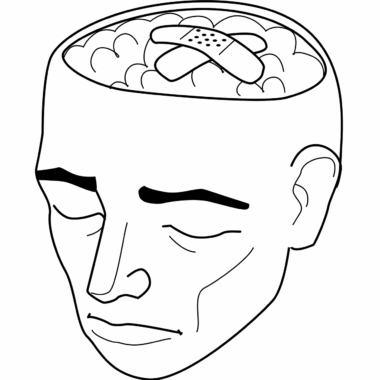
Addressing Burnout through Sports Psychology Techniques
Burnout, an ever-growing concern among athletes, manifests when stress symptoms escalate beyond the body’s capacity to cope. Sports psychology offers valuable techniques to combat these challenges effectively. Athletes often experience intense pressure, whether from competitions, personal expectations, or team dynamics. Consequently, identifying burnout symptoms early is essential for preservation and improved performance. Techniques from sports psychology aim to enhance mental resilience and ensure athletes can effectively manage stress. One crucial strategy includes relaxation and mindfulness practices that center attention and reduce feelings of anxiety. Athletes can benefit significantly from these methods as they learn to rediscover joy in their sport and enhance focus. Understanding these concepts can lead to a healthier balance between passion and performance. Affirmations and positive self-talk improve confidence, providing athletes with mental clarity and persistence. This positive mental attitude can play a vital role in not just performance recovery but overall life satisfaction. Through exploring and applying sports psychology techniques, athletes can navigate the complexities of burnout and emerge stronger for continued participation in their chosen sports, promoting a healthier athletic culture overall.
The next significant area to address includes developing effective coping strategies. These strategies empower athletes to manage stress proactively and withstand periods of intense performance pressure. One effective method is visualization, where athletes create mental images of success and ideal performance scenarios. By engaging their imagination, they prepare mentally and emotionally for real-world challenges, enhancing confidence levels significantly. Additionally, journaling serves as an effective outlet to express thoughts and emotions, allowing athletes to reflect on their experiences and identify patterns contributing to burnout. Journals can also foster a deeper understanding of personal underlying triggers, enhancing emotional intelligence and self-awareness. In doing so, athletes seize control of their mental well-being, fostering a proactive approach. Moreover, seeking guidance from experienced sports psychologists promotes a supportive environment crucial for discussing challenges candidly. Coaches can play a pivotal role in identifying potential burnout signs and encouraging open dialogue, paving the way for recovery. Building strong communication channels between athletes and their support teams is paramount to ensure athletes feel safe expressing their concerns.
Building Resilience through Self-Care
In nurturing mental well-being, self-care acts as a fundamental component of athletes’ training regimes that often goes overlooked. Incorporating regular self-care routines improves athletes’ physical and emotional health, promoting overall resilience. Activities such as engaging in hobbies, socializing with friends, or indulging in relaxation therapies are essential aspects that can enhance mental resilience. A balanced diet and proper hydration cannot be overlooked in self-care habits. Nutrition significantly affects mental performance, energizing body and mind alike to cope better with pressures. Furthermore, sleep plays a crucial role in mental health; adequate rest allows the brain to recover and recharge, aiding overall performance and well-being. Furthermore, entering healing environments, such as parks or nature, can help overcome feelings of isolation often experienced during burnout. By immersing themselves in nature, athletes reconnect with themselves, allowing relief from daily pressures. Peer support groups provide a safe space for athletes to share their concerns with others facing similar challenges. Inculcating these self-care habits is invaluable for preemptively mitigating the effects of burnout, focusing on nurturing the athlete’s spirit as much as athletic prowess.
Another key technique involves fostering a growth mindset, essential for athletes facing everyday pressures and performance challenges. This mindset emphasizes valuing effort and learning over flawless outcomes, converting potential failures into opportunities for growth. When athletes embrace this perspective, they are more equipped to handle setbacks without succumbing to stress or burnout. By viewing obstacles as part of their overall journey, athletes develop increased resilience, fostering perseverance alongside a healthier self-image. This psychological shift positively impacts their sporting performance, motivating individuals to push their limits. Workshops and seminars on this topic can be beneficial, providing athletes guidance in developing a growth mindset. Through these educational experiences, athletes learn to appreciate the hard work put into their training regimens rather than being over-focused on wins and losses. Furthermore, interaction with mentors who embody a growth mindset can deeply inspire young athletes, embedding these concepts early in their careers. This cultural shift encourages supportive interactions among teammates, fueling collective growth and a positive environment where excellence is sustained without the risk of burnout gradually.
The Importance of Setting Realistic Goals
Setting realistic and achievable goals can significantly alleviate stress and potential burnout for athletes at all levels. Goals create a roadmap, directing athletes’ focus away from overwhelming expectations while allowing for gradual progress. Athletes should emphasize the SMART criteria when establishing their targets—making them Specific, Measurable, Achievable, Relevant, and Time-bound. Coaches and athletes working collaboratively to define realistic benchmarks lead to enhanced motivation, a sharper focus, and reduced pressure to constantly perform at peak levels. Regularly revisiting these goals and adjusting them according to the athlete’s progress is essential for maintaining optimal motivation and performance. Furthermore, celebrating small achievements fosters a positive emotional response, reinforcing athletes’ commitment to their sport while steadily progressing toward larger goals. Recognizing these milestones can rejuvenate an athlete’s passion and commitment to their sport, reinforcing positive associations. Moreover, peer encouragement and support contribute significantly to athletes achieving their goals. Having champions within their circles can inspire athletes, illustrating that perseverance and effort inherently matter more than titles or accolades, crucial for nurturing lifetime athletes.
Incorporating social support plays a pivotal role in combating athlete burnout through sports psychology techniques. Developing a strong support system comprising friends, family, teammates, and coaches can provide invaluable emotional resources for athletes navigating stressors. Peer relationships encourage athletes to share both their successes and challenges candidly, promoting continuity in mental health efforts. By participating in group activities or team-building exercises, athletes cultivate emotional bonds, sustaining motivation through companionship. Engaging with fellow athletes, particularly those experiencing similar pressures, fosters a sense of community paramount for combating loneliness and burnout. Informal check-ins and supportive conversations can strengthen these connections, ensuring athletes feel heard and understood. Additionally, seeking professional support, such as sports psychologists, provides athletes with tailored assistance in navigating specific challenges they may encounter. Understanding diverse perspectives also contributes to enriched problem-solving abilities and a well-rounded toolbox for managing stress. The most effective approach often lies in blending personal network support with professional guidance. This dual focus paves the way for lasting coping mechanisms, guiding athletes through their peaks and valleys throughout their sporting engagements.
Conclusion and Moving Forward
To conclude, addressing burnout through sports psychology techniques offers athletes effective avenues to maintain mental resilience and performance levels. Combining relaxation practices, goal setting, social support, and self-care significantly mitigates burnout risks while promoting a healthier sporting environment. Cultivating a growth mindset empowers athletes to view challenges positively, transforming obstacles into growth opportunities. Moreover, fostering peer relationships adds essential layers of support, illustrating the importance of community in an athlete’s journey. Ensuring athletes have access to resources and mentorship promotes a culture of understanding surrounding mental health challenges. Coaches play a crucial role in this evolution, embracing open conversations surrounding mental health factors crucial for effective athletics. Expanding educational initiatives on sports psychology principles can benefit the broader athletic community. As awareness grows, so does the importance of prioritizing mental well-being, fostering environments where athletes thrive emotionally and physically. The future must emphasize balance in approaching sports, enabling athletes to enjoy their pursuits without compromising their mental health. Embracing these vital techniques can redefine athletic experiences, creating a new standard for excellence centered around overall wellness.