
Latest Research on Running Biomechanics for Triathletes
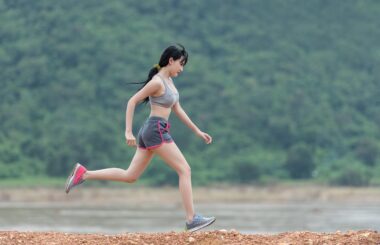
For triathletes, running biomechanics remains a crucial aspect of training for optimal performance. Recent research highlights the importance of efficient running mechanics, which can significantly impact both speed and injury prevention. Key factors include stride length, frequency, and the athlete’s form while in motion. Maintaining an effective running style can ensure that energy expenditure is minimized, allowing triathletes to perform at their best over longer distances. Intensive studies have revealed that focusing on the alignment of the body during running not only enhances performance but also reduces the risk of common running injuries, such as plantar fasciitis and knee problems. Triathletes are encouraged to incorporate strength and flexibility training into their routines to support these mechanics. Strength training can develop the muscles most engaged during running,while flexibility work aids in recovery and performance. Additionally, knowledge about biomechanical efficiency allows athletes to customize their training programs. By understanding their mechanics, triathletes can work on specific areas that hold them back and ultimately improve their overall results during competitions, making this an invaluable part of their training focus.
Improvements in running biomechanics are transferable to other triathlon components, such as cycling and swimming. Currently, research is being conducted to examine how running mechanics can correlate with overall triathlon performance. Athletes should be aware that with improved mechanics, they may experience better power output during cycling and enhanced start times in swimming. Furthermore, studies indicate that the training regimen for enhancing biomechanics should not be isolated. It should synergize with the other modalities of triathlon training for comprehensive benefits. Triathletes can utilize drills that promote coordination and body awareness to enhance their propulsion efficiency. These drills contribute to improved energy management and performance sustainability. Incorporating technology such as motion analysis systems can help track progress, offering valuable feedback about running form. Effective training adjustments can be made based on the gathered data. Some robust metrics include cadence, foot strike patterns, and ground contact time. Regular analysis may help triathletes notice minor inefficiencies in their mechanics that could otherwise go unaddressed. When integrated with a holistic approach, these insights can drive significant enhancements in training results.
Impact of Foot Strike Patterns
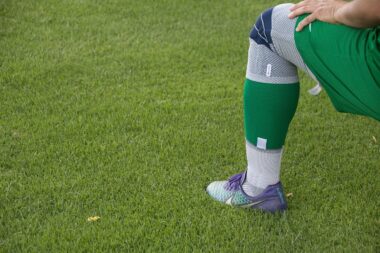
Exploration into various foot strike patterns has unveiled notable implications for triathletes regarding efficiency and injury risk. Research suggests that striking the foot with the forefoot or midfoot may offer better efficiency compared to a heel strike. This is primarily because forefoot and midfoot strikes allow for a more elastic energy return, which can aid in propulsion. Injuries associated with heel striking include stress fractures and tendonitis, which could hinder a triathlete’s performance during events. A shift towards a midfoot or forefoot-oriented running style can lead to improved shock absorption characteristics and reduced ground contact time. Triathletes are encouraged to gradually adopt a change in their foot strike pattern to prevent undue stress on the body. Ramping up mileage while being mindful of foot strike can enhance overall running mechanics. Furthermore, specific drills, such as barefoot running, can enhance natural proprioception, reinforcing optimal movement patterns for triathletes. Nonetheless, it is crucial to recognize that individual biomechanics vary, requiring athletes to consult professionals when attempting significant changes to their foot strike modalities.
A study comparing the biomechanics of elite and amateur triathletes found distinct differences in running mechanics. Elite triathletes exhibited greater running efficiency, utilizing a more economical stride style and better overall posture compared to their amateur counterparts. This indicated that biomechanics play a pivotal role in performance, emphasizing the need for aspiring triathletes to pay attention to their mechanics. Furthermore, it was concluded that physiological factors should also align with biomechanical improvements. Thus, the integration of physiological testing with biomechanical assessment will empower athletes to achieve holistic optimization. Understanding energy expenditure during training and competitions can help in strategizing their nutrition and pacing. Clinicians and coaches should monitor the development of a triathlete’s biomechanics regularly to ensure ongoing alignment with their training goals. Moreover, implementing techniques such as video analysis or wearable technology can extend the learning curve for triathletes. Such methods capture real-time data and insights, paving the way for constant improvement. Ultimately, the collective engagement of biomechanical awareness, physiological readiness, and technology can secure a significant competitive edge.
The Role of Strength Training
Strength training emerges as a crucial component for enhancing running biomechanics in the context of triathlon training. Recent literature confirms that strength work—targeting key muscles involved in running—can lead to improvements in running economy and performance. Core stability, hip strength, and leg power are essential elements to focus on. These components help maintain optimal running posture and prevent form breakdown, especially during endurance events. Integrating plyometric exercises into training programs can also amplify strength gains, improving running efficiency through increased power generation. Furthermore, strength training aids in overcoming fatigue and provides a buffer against injury. By conditioning the body to handle repetitive impact forces effectively, triathletes can push their performance boundaries without risk of overuse injuries. Coaches are advised to create periodized strength training plans that adapt throughout the season to align with peak competition schedules. Emphasizing functional movements in strength sessions promotes muscle coordination and adaptability required during runs. Nutritional strategies should also complement strength work for recovery and muscle repair, thereby fostering long-term progression and development of a triathlete’s running biomechanics.
Balance and proprioceptive training also have a significant bearing on how biomechanics develop for triathletes. The integration of tools such as balance boards and stability balls in training routines can promote coordination and body awareness. Research has shown that improved balance training often leads to enhanced running efficiency, particularly over long distances. These exercises contribute to muscle endurance and enable triathletes to maintain stability throughout their runs, particularly during varying terrains. Aspects like ensuring a centered center of gravity while maintaining forward motion form part of the key components that improve efficiency. Additionally, agility training can form a well-rounded aspect of preparation for all three triathlon disciplines. The cross-disciplinary nature of triathlon training demands athletes not only to be strong or fast but also adaptable and coordinated in their movements. Reviewing their balance and proprioceptive abilities in regular training assessments will help athletes to target specific areas that may need improvement. Ultimately, enhancing these skills together with biomechanical awareness fosters a robust and sustainable triathlon performance that minimizes injury risks.
Conclusion
In conclusion, staying abreast of the latest research in running biomechanics can dramatically improve triathlon training outcomes. By understanding and applying principles of biomechanics, triathletes can refine their running mechanics while simultaneously boosting overall athletic performance. Advances in research assure athletes of effective training methods that promote efficiency and mitigate injury risks inherent in long-distance events. Triathletes are encouraged to adopt a multisport approach to biomechanics, not only focusing on running but understanding the implications it holds for cycling and swimming. The integration of the latest findings with individualized training strategies can position triathletes for success. Coaches and athletes alike should consider the value of data-driven decisions in shaping training plans that leverage biomechanical insights. Furthermore, embracing a holistic training strategy that includes strength, balance, and flexibility work can create a more resilient athlete. The goal remains the optimization of performance while prioritizing long-term health and injury prevention. Adaptable training programs underpinned by solid biomechanics understanding can dramatically elevate a triathlete’s results, ensuring that they are equipped to meet the demands of competitive triathlon events.
To implement effective changes based on the latest advancements in running biomechanics, triathletes should seek guidance from professionals in the field. Trainers, physiotherapists, and biomechanists can provide insights tailored to the unique needs of each athlete. Using qualitative assessments, such as video analysis and strength testing, can form a comprehensive evaluation that informs training plans. It is vital that athletes remain open to feedback and adjustments, using small iterations to improve their techniques rather than attempting drastic changes. Additionally, self-education through relevant literature, workshops, and seminars can foster a deeper understanding of biomechanics and its application in training. This kind of ongoing education not only encourages resilience in training practices but also enhances overall coaching effectiveness. Regular practice and commitment to embracing professional advice will yield remarkable results, ensuring that triathletes can competently navigate both training and competitive environments. Staying updated with emerging research will assist athletes in making informed decisions regarding their biomechanics. This can ultimately set the stage for improved performance across all facets of triathlon.