
Integrating Wearable Tech with Fitness Social Networks
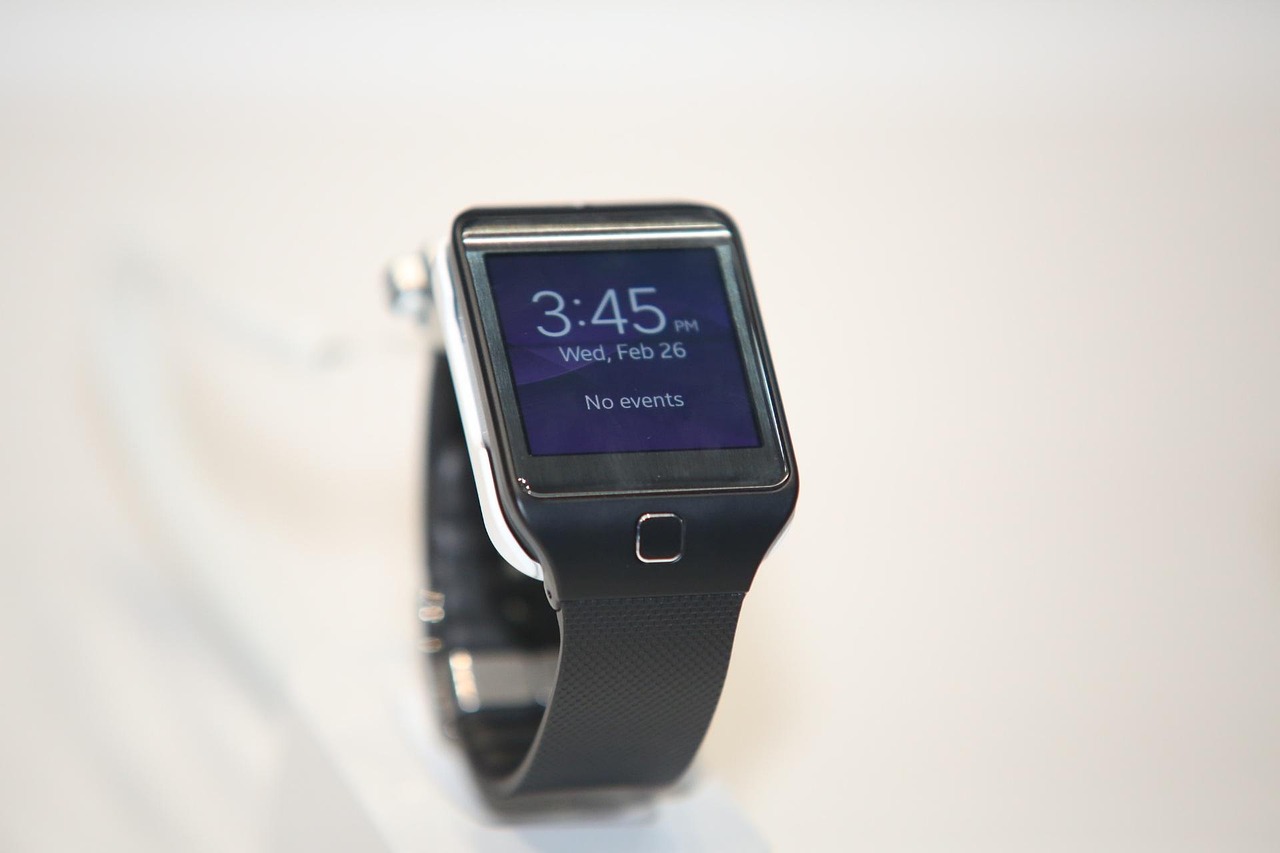
Fitness apps have significantly transformed how individuals approach health and wellness, blending technology with social connectivity seamlessly. The integration of wearable tech into fitness social networks enhances personal accountability and motivates users to achieve their health and fitness goals. Wearable devices track various metrics, such as steps taken, calories burned, and heart rates, providing valuable data to users. When synced with fitness social networks, this information offers users an opportunity to share their progress, fostering community support and interaction. The social aspect encourages users to engage in friendly competitions or challenges, making fitness journeys enjoyable and less isolating. Additionally, through these networks, users can join virtual workout groups, participate in discussions on fitness techniques, and exchange dietary tips. With notifications and updates, users are constantly reminded of their goals, thus motivating them to stay consistent. These interactions create an engaging ecosystem where achievements are celebrated and setbacks discussed openly, providing an environment conducive to personal growth. Integrating wearable technology into fitness social networks not only enhances individual experiences but also cultivates a strong, motivating community dedicated to overall wellness.
The Role of Data in Fitness Motivation
Wearable fitness devices generate an immense amount of data about users’ physical activities, which can be leveraged to enhance motivation. This data analytics-driven approach allows users to visualize their physical movements, track sleep patterns, and monitor heart health metrics. Consequently, users derive a clearer understanding of their progress towards specific goals, promoting an increased commitment to their wellness journeys. When shared on fitness social platforms, users receive feedback from their peers and inspire each other through shared experiences and challenges. For example, users can post their daily step counts or workout routines, receiving encouragement and advice in return, thus fostering a collaborative spirit. Additionally, wearable tech offers achievements and badges for various milestones, incentivizing users to push their limits further. The visibility provided by such networks encourages not only personal accountability but also a sense of belonging. Users can engage in group challenges, allowing even the less competitive individuals to partake in an inclusive atmosphere. By maintaining an active presence within these platforms, users can burst through barriers while continually optimizing their health-related behaviors and routines with each new piece of data gleaned.
Incorporating social elements into fitness apps supplements individual efforts with a communal aspect, creating opportunities for collaboration. The positive reinforcement found in these networks builds confidence among users and solidifies their commitment to fitness. User-generated content showcases real-life success stories, encouraging others to stay motivated in their own paths. By sharing personal achievements, users create relatable narratives that resonate within the community and foster connections that may lead to lasting friendships. Aside from sharing fitness milestones, users also exchange tips on nutrition, wellness practices, and workout techniques. Fitness social networks with integrated wearable tech not only provide a platform for tracking metrics but also enhance overall user engagement and experiences. The rise in popularity of such platforms exemplifies the growing demand for templates that support connection alongside health-focused objectives. Simply having the data on performance is no longer sufficient; users crave the interaction and validation that comes from sharing these journeys. Therefore, wearable tech’s support reinforces how networking can create a robust conditioning environment, exuding motivation and inspiration across diverse user profiles on these platforms.
Future Trends in Fitness Technology
The future of fitness technology appears promising as innovations continue to emerge. Incorporating augmented reality (AR) into fitness applications offers immersive experiences that enhance user engagement. Imagine users participating in virtual races or training alongside their friends in a digital environment. Such advancements increase motivation levels and keep users connected irrespective of geographical distances. Also, integrating artificial intelligence (AI) into fitness apps allows users to receive personalized recommendations tailored to their specific goals, preferences, and lifestyles. By assessing combined data from wearables and user interactions, AI can dynamically adjust workout plans or diet schedules based on users’ achievements over time. Additionally, social media integration is a growing trend, allowing users to share their journeys on platforms like Instagram and Facebook seamlessly. Users can also find accountability partners who align with their goals and fitness levels, encouraging each other to strive for progress together. The convergence of technology and social interaction in fitness underscores a shift towards comprehensive wellness solutions. As wearable technology continues advancing, so will the functionalities offered within fitness social networks, creating opportunities for healthier lifestyles and social connectivity.
The fusion of wearable technology with fitness social networks directly impacts community building among users focused on shared ambitions. These interactive platforms allow individuals to celebrate their unique accomplishments, a fundamental aspect of fostering motivation and physical consistency. By participating in communal challenges, users share collective achievements and personal stories that inspire others and establish deeper connections. Effective accountability emerges when individuals are surrounded by peers sharing similar fitness goals, driving conversions regarding positive outcomes. The empathy and support that individuals foster contribute significantly to one’s mental well-being, reinforcing the emotional connections between users. Online communities created by fitness applications also provide access to professional trainers and wellness coaches, enhancing users’ training experiences with virtual mentorship. Such expert advice further refines routines by addressing specific needs or struggles users face along their fitness journeys. When users feel connected to knowledgeable community leaders, they are more likely to remain steadfast in their pursuits. Thus, the significance of social networks and wearable technology serves as a conduit for knowledge exchange while facilitating the transformational narratives shared by individuals passionate about health and fitness.
Challenges in Integration
While the integration of wearable technology and fitness social networks is promising, it does not come without its challenges. Concerns around privacy and data security often arise, as users may hesitate to share their personal health metrics with others. This hesitance can diminish the sense of community that these platforms seek to cultivate. Moreover, the accuracy of data obtained from wearables can vary, with discrepancies potentially affecting users’ experiences and trust in the platform. Social pressure can also be a double-edged sword within fitness networks. While healthy competition can motivate some, others may feel intimidated, leading to discouragement rather than encouragement. Developers need to create environments that celebrate all achievements, regardless of size, to ensure inclusivity. Furthermore, many users may lack the technical competence to navigate complex features offered by fitness applications, reducing their ability to maximize the benefits of these integrations. Continuous improvement in user interface design and usability testing is essential in mitigating these frustrations. Ultimately, addressing these challenges is crucial in developing truly effective ecosystems that align individual wellness aspirations with community interaction and support.
As users interact with technology and social networks, education surrounding wellbeing becomes critical. Familiarizing users with the functionalities of wearable devices will enable them to post accurate data on fitness platforms, fostering trust and reliability across communities. Encouraging literacy in fitness technology can bridge the gap between advanced features and user comprehension. Fitness education programs—integrated into app platforms—can reveal strategies to maximize engagement with wearables and social networks. Promoting health literacy contributes meaningfully to users’ confidence and competency when it comes to using technology for fitness tracking. Moreover, integrating resources that guide users on data interpretation can minimize potential confusion. As fitness app developers collaborate with trainers and nutritionists, users will benefit from curated content designed explicitly for improving user experience, helping users gain traction in their health journeys. Leveraging collaborations with respected health professionals strengthens the quality of content available within these platforms. Educating users on the intuitive use of technology promotes a positive outlook towards fitness. By requiring ongoing assessments and feedback from users, developers can iterate on features that will resonate within this evolving landscape, ultimately reinforcing community-centric transformations in the fitness environment.
Fitness apps have significantly transformed how individuals approach health and wellness, blending technology with social connectivity seamlessly. The integration of wearable tech into fitness social networks enhances personal accountability and motivates users to achieve their health and fitness goals. Wearable devices track various metrics, such as steps taken, calories burned, and heart rates, providing valuable data to users. When synced with fitness social networks, this information offers users an opportunity to share their progress, fostering community support and interaction. The social aspect encourages users to engage in friendly competitions or challenges, making fitness journeys enjoyable and less isolating. Additionally, through these networks, users can join virtual workout groups, participate in discussions on fitness techniques, and exchange dietary tips. With notifications and updates, users are constantly reminded of their goals, thus motivating them to stay consistent. These interactions create an engaging ecosystem where achievements are celebrated and setbacks discussed openly, providing an environment conducive to personal growth. Integrating wearable technology into fitness social networks not only enhances individual experiences but also cultivates a strong, motivating community dedicated to overall wellness.