
What Modifications Should Be Made to Workouts During Pregnancy?
Expecting mothers should approach their fitness routines with care and modifications. Safety is of utmost importance, especially when considering the physical changes during pregnancy. It’s essential to consult with a healthcare provider before beginning or continuing any exercise program. Low-impact exercises are generally recommended, such as swimming or stationary cycling, which provide cardiovascular benefits while minimizing stress on joints. Additionally, strength training is beneficial, but it must be adjusted to avoid heavy weights and ensure proper form. Performing exercises in a seated position, instead of standing, can help reduce the risk of falls and ensure stability. Furthermore, certain movements should be avoided as pregnancy progresses, including high-intensity workouts or any exercise that involves lying on the back after the first trimester. Gradually decreasing workout intensity and incorporating more rest periods can be helpful. Staying hydrated and listening to the body’s signals is crucial in any workout plan during pregnancy. By making the right modifications and focusing on gentle movements, women can maintain fitness while ensuring the safety and health of themselves and their unborn child.
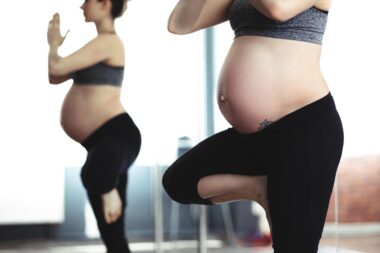
During pregnancy, the body’s center of gravity changes significantly, which can impact balance and coordination. One effective modification is to opt for exercises that strengthen the core and back muscles, as these will support the growing belly and improve posture. Consider activities such as pelvic tilts, seated rows, and modified planks. Pregnant women should also avoid exercises that require sudden jerks or twists, as these can strain the abdominal muscles and ligaments. Flexibility workouts, like yoga or Pilates, are excellent choices, as they promote relaxation and help prepare for labor. However, any poses that require deep twists or pressure on the abdomen should be approached with caution or modified. Alternating workouts throughout the week can help target various muscle groups while keeping routines interesting. Always prioritize comfort and avoid any position that results in discomfort. Working out with a partner or attending classes designed for pregnant women can also provide guidance and support. Finding these inclusive environments creates community and encourages them to stay active while enjoying their journey into motherhood.
Nutritional consideration plays a key role when implementing physical changes during pregnancy. It’s important for pregnant women to maintain a well-balanced diet to support energy levels during workouts. Ensure plenty of fruits, vegetables, whole grains, lean proteins, and healthy fats are included in daily meals. Staying well-nourished supports not only workouts but also fetal growth and development. It can be helpful to fuel up with a small snack before exercising, as it offers the body energy for better performance. Post-workout, recovery nutrition is just as important; consuming a combination of protein and carbohydrates within a short time frame can aid in muscle recovery. Additionally, pregnant individuals should be aware of hydration needs, especially if exercising outdoors or in warm conditions. Drinking enough water helps regulate body temperature and prevents dehydration. Keeping a water bottle nearby during workouts can serve as a reminder to hydrate regularly. Maintaining proper nutrition and hydration amidst routine modifications ensures a healthier experience for both mother and child, promoting a smoother pregnancy journey.
Communication and Support
Another important aspect of prenatal fitness is communication with fitness instructors and fellow participants. Letting trainers know about pregnancy status allows them to tailor workouts that best meet individual needs. They can offer specialized sessions that cater to expecting mothers, ensuring that modifications are accounted for. In addition, prenatal exercise classes typically provide a supportive community where mothers-to-be can share experiences. Finding such a supportive environment can be highly beneficial during workouts, allowing women to feel encouraged and motivated. Discussing concerns with peers or instructors creates accountability, which helps maintain consistency throughout the pregnancy journey. Many women find that interacting with others in similar situations offers emotional support and a sense of camaraderie. Additionally, it’s wise to educate spouses and partners on safe exercises and modifications, so they can also support mom-to-be during workouts. Conversations about how fitness affects pregnancy can enhance family dynamics and understanding. Ultimately, it’s about fostering an encouraging atmosphere that allows mothers to embrace their changing bodies and lifestyles while staying active.
As pregnancy progresses, listening to one’s body becomes increasingly vital during workouts. This means recognizing signs of fatigue or discomfort, which should not be dismissed. It’s essential to adjust exercise intensity accordingly, which may include taking more breaks or lengthening cooldown periods. When engaging in cardiovascular activities, such as walking or cycling, consider doing these at a conversational pace. If breathlessness occurs, it’s a sign to slow down or change intensity. Pregnant women should be cautious about overheating during workouts, especially in the later trimesters. Wearing breathable clothing and choosing cooler times of day for exercising can help manage body temperatures. Incorporating mindfulness practices into routines, such as focusing on breathing techniques, can provide relaxation benefits alongside workouts. Additionally, being aware of different discomforts, such as round ligament pain or swelling, can help in modifying exercises. Talking with other pregnant women about their own experiences can provide valuable insights into managing these changes and adjustments in workouts. Ultimately, it’s important for expecting mothers to prioritize comfort and health throughout their exercise regimen and adapt as needed.
Postpartum Fitness Considerations
Once the baby arrives, postpartum fitness also requires careful considerations and gradual modifications. The body undergoes major changes during childbirth, and recovery is essential before returning to pre-pregnancy exercise routines. Beginning with gentle movements, such as walking or postnatal yoga, can help mothers ease back into fitness while promoting healing. After consulting with healthcare providers, women should embark on strengthening core muscles that may have weakened during pregnancy. Specific exercises like pelvic floor contractions, or Kegel exercises, can be particularly effective. These techniques foster recovery while minimizing stress on the pelvic region. It’s vital to listen to the body and recognize signs of discomfort, as pushing too hard can negatively impact recovery. Postpartum women should also ensure sufficient rest and nourishment to support this transition back into a fitness routine. Gradually increasing workout intensity and frequency is recommended, ensuring that both the physical and emotional well-being are prioritized. Consulting with postnatal fitness professionals can provide additional guidance on resuming or adapting workouts effectively during this recovery period.
In conclusion, adapting workouts during pregnancy and after childbirth is essential for safety and health. Key considerations include adjusting exercise intensity, incorporating low-impact movements, and prioritizing comfort. Open communication with fitness professionals and being aware of personal body signals can ensure a smooth transition throughout these phases. Nutrition and hydration form the backbone of maintaining energy levels and overall health, enhancing the well-being of both the mother and child. Whether attending specialized prenatal classes or engaging in gentle home workouts, embracing supportive communities can boost motivation while navigating workouts. Remember that every woman’s experience is unique, and what works for one might not fit another. Listening to your body, seeking help, and prioritizing rest will contribute positively to both fitness and motherhood journeys. Engaging in fitness during pregnancy requires a blend of modifications, self-care, and community support. With careful attention to health and wellness, mothers can enjoy the journey of motherhood while staying active and healthy throughout both prenatal and postpartum eras.