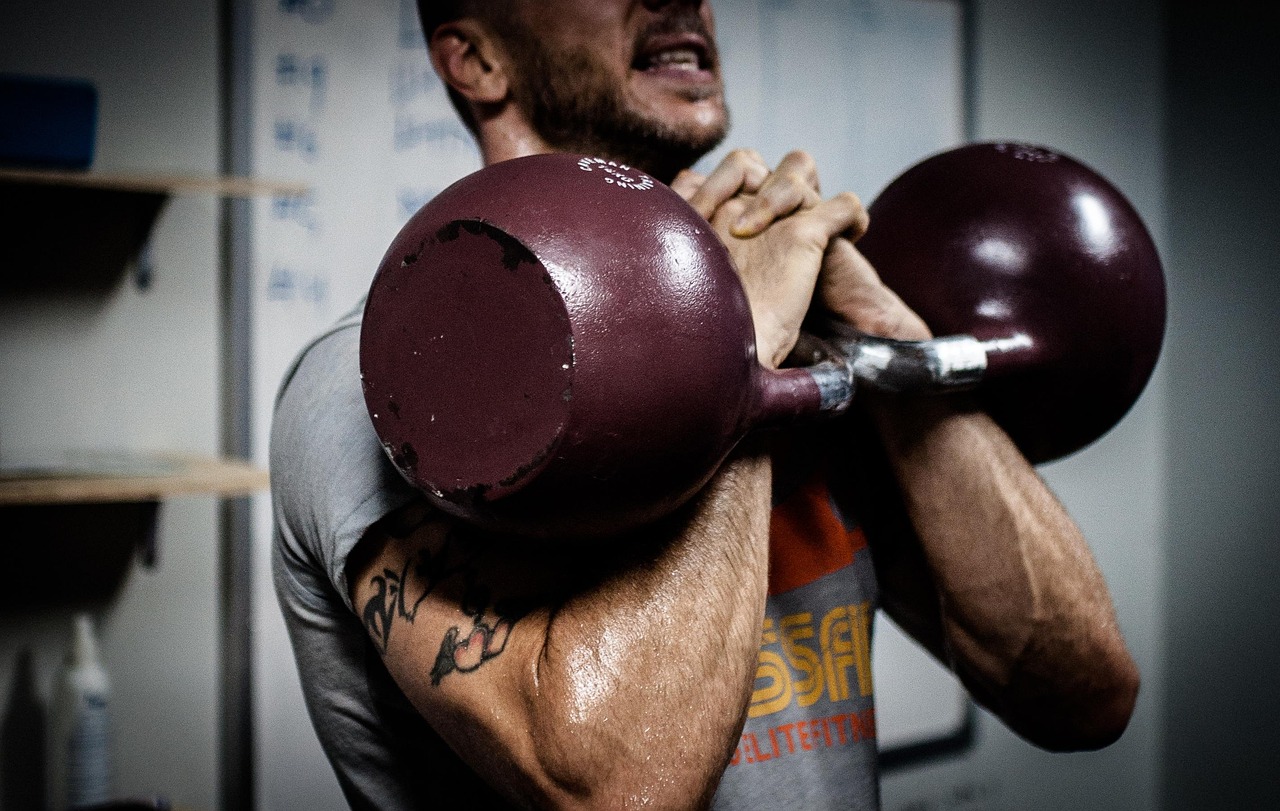

Kettlebell Training to Improve Functional Strength for Daily Life
Kettlebell training has emerged as a powerful tool for enhancing functional strength, which is crucial for everyday activities. Unlike traditional weightlifting, kettlebells engage multiple muscle groups simultaneously, mimicking real-life movements such as lifting, carrying, and throwing. This holistic approach not only builds strength but also increases flexibility, agility, and balance. One primary advantage of kettlebell training is its efficiency. A single kettlebell can provide a full-body workout that can boost your cardiovascular health while developing muscle. This efficiency is particularly beneficial for those with busy schedules, as shorter but intense workouts yield significant results. Moreover, kettlebell exercises often incorporate dynamic motion, leading to a greater calorie burn than conventional weightlifting. As a result, kettlebell training can contribute positively to weight management goals. Furthermore, cascading kettlebell workouts into your routine can help in preventing injuries due to their emphasis on functional movement patterns. They improve joint health, correct muscle imbalances, and enhance overall biomechanics, making daily tasks easier and safer. Thus, kettlebell training presents a compelling case for anyone looking to boost their functional strength effectively.
The versatility of kettlebells allows for a variety of exercises that target different muscle groups, elevating strength development. For instance, exercises such as swings, snatches, and Turkish get-ups can be adapted for individuals at all fitness levels. As a result, both beginners and seasoned athletes can reap substantial benefits from incorporating kettlebells into their workouts. A beginner may start with basic swings to build foundational strength, whereas an advanced user may incorporate more complex movements to challenge their capabilities. This adaptability makes kettlebell training appealing and accessible, regardless of one’s starting fitness level. Another essential aspect is the emphasis on core engagement during kettlebell workouts. When you utilize kettlebells, your core must stabilize throughout each exercise to maintain balance and control. This active core engagement translates to improved overall strength and stability, which is vital for functionality in everyday activities. A strong core not only supports lifting tasks effectively but also enhances posture and reduces the risk of back pain. Consequently, including kettlebell training as a regular part of your fitness regimen can contribute to greater longevity and quality of life.
One often overlooked aspect of kettlebell training is its positive impact on mental health. Exercise, in general, is known to release endorphins, which are essential for mood elevation. However, kettlebell training provides a unique blend of physical challenge and mental focus, which can contribute to improved cognitive function. Engaging in complex movements requires concentration and coordination, allowing individuals to cultivate a greater mind-body connection. This heightened awareness can further translate into other areas of life, encouraging a more balanced and centered approach. Additionally, kettlebell training can foster a sense of community and camaraderie among participants. Group classes and training sessions can motivate individuals to push their limits while providing social support. Such communal environments can contribute significantly to long-term adherence to fitness routines. As you train together, you share challenges and successes, creating bonds that extend beyond the gym. Consequently, this supportive atmosphere helps build accountability and encourages consistency in pursuing fitness goals. Ultimately, the combination of physical and social benefits makes kettlebell training a crucial tool for enhancing overall well-being.
The Role of Kettlebells in Rehabilitation
During rehabilitation, kettlebell training can also play a pivotal role in restoring strength and functionality. Physiotherapists often incorporate kettlebells into recovery programs due to their ability to promote safe and effective movement patterns. By focusing on functional exercises, patients can regain strength in a controlled manner, minimizing the risk of reinjury. For instance, post-rehabilitation clients can start with light kettlebell movements that emphasize balance and stability, progressing gradually as their strength improves. This method aligns with the principles of functional strength training, ensuring that patients develop the necessary muscle support for daily activities without overwhelming their bodies. Furthermore, the versatility of kettlebells allows for diverse exercise options to suit varying rehabilitation needs. From gently transitioning movements to more dynamic exercises, patients can enjoy a gradual progression tailored to their specific recovery journey. Additionally, kettlebells can assist in building confidence, as individuals see measurable improvements in their functional capabilities. This empowerment can foster a more positive mindset regarding health and wellness. Thus, kettlebell training emerges as an integral component of rehabilitation, encouraging holistic healing and functional restoration.
Kettlebell training is also highly effective in enhancing grip strength, an often underestimated aspect of overall fitness. Grip strength plays a crucial role in various day-to-day activities, from opening jars to lifting bags. By incorporating kettlebell exercises such as deadlifts, farmer’s walks, and swings, practitioners can develop a stronger grip that enhances athletic performance as well. Improved grip strength not only translates to better performance in lifting but also prevents injuries by promoting hand and forearm health. It is particularly important for athletes involved in sports that require significant upper body exertion, ultimately contributing to improved performance and reduced injury risk. Moreover, increased grip strength can aid in daily life, as stronger hands and forearms make handling everyday tasks more manageable. As individuals progress with kettlebell training, they will often notice an overall improvement in their ability to perform functional movements with ease. This translates well into activities such as carrying groceries or lifting children, significantly simplifying daily numerous chores. Ultimately, kettlebell training provides a comprehensive approach to building grip strength, which is vital for enhancing functional daily life tasks.
Incorporating Kettlebell Training into Daily Routines
Integrating kettlebell training into one’s daily routine can be seamlessly achieved, enhancing overall consistency and commitment to fitness. A simple yet effective approach is to establish a scheduled workout time during the day. Consistency is key, as it transforms exercise from a sporadic activity into a habitual one. By setting aside just 20-30 minutes for kettlebell workouts, individuals can quickly experience tangible benefits. Moreover, kettlebells are truly adaptable fitness tools that allow for at-home workouts, eliminating the hassle of travel to the gym. As a result, individuals can easily fitting exercise into their schedules, reaching their goals without significant time constraints. Additionally, developing a balanced kettlebell workout routine that encompasses strength, endurance, and flexibility is important for comprehensive training. Incorporating various exercises ensures that all muscle groups are targeted, mitigating risks of imbalances and injuries. Furthermore, utilizing online resources or instructional videos can provide guidance and keep workouts fresh and exciting. This dynamic approach fosters a positive mindset towards fitness, making kettlebell training an essential and enjoyable part of daily life.
Lastly, the emphasis on proper technique and form during kettlebell training cannot be overstated. Incorrect movements can lead to injuries, negating the benefits of this highly effective workout. Thus, individuals should prioritize learning the correct form and execution of kettlebell exercises. Attending classes led by experienced trainers is highly recommended for beginners, as they provide valuable insights and personalized guidance. Online tutorials and platforms can also be useful for assembling a foundational knowledge of kettlebell movements. Furthermore, starting with lighter weights ensures individuals can master the technique before progressing to heavier weights. This progressive approach substantially reduces injury risks and improves the workout experience. In addition, regularly reviewing your own form via mirrors or video can provide self-correction opportunities. Emphasizing safety in practice allows individuals to reap the functional benefits of kettlebell training effectively. Consequently, individuals can enhance strength, coordination, and endurance, paving the way for improvements in overall daily function. In conclusion, mastering kettlebell training fosters a more resilient body and enhances capabilities for everyday tasks.