
Top 10 Heart Rate Monitors for Fitness Enthusiasts in 2024
Fitness enthusiasts seeking to optimize their performance and track their heart rate effectively will find a vast array of options available in 2024. Heart rate monitors have become indispensable tools for athletes and casual exercisers alike. From wristbands to chest straps, advancements in technology offer precision and convenience. In today’s digital landscape, devices seamlessly sync with smartphones, allowing users to access real-time data and detailed insights into their workouts. The variety of features may include built-in GPS, sleep tracking, and calorie counting, making these monitors versatile companions for anyone looking to maintain a healthy lifestyle. Among the top contenders this year, many brands offer products that boast user-friendly interfaces, long battery life, and impressive accuracy. Selecting the right heart rate monitor can significantly improve workout efficiency, enabling users to tailor their training based on heart rate zones. Additional features, such as alerts and notifications, enhance user experience. Overall, the market showcases innovative designs catering to different preferences and requirements, ensuring everyone can find a suitable device tailored to their needs and fitness goals.
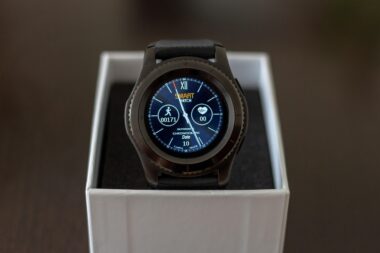
One of the standout devices in the heart rate monitor realm is the Garmin Forerunner 245. This smartwatch combines advanced tracking capabilities with a sleek design, making it appealing to runners and fitness aficionados. Its GPS functionality allows for accurate distance measurements, while the heart rate monitor ensures that users can maintain or adjust their intensity levels during workouts. The Forerunner 245 features a built-in music player and can sync with various apps for broader fitness integration. Similar devices also aim to enhance usability through high-resolution displays, weather resistance, and customizable watch faces. The ease of use in navigating menus appeals to users eager for straightforward features without overwhelming complexity. Battery life remains a significant factor, as athletes frequently train for extended periods. By maintaining longer operational times, devices like this bring added benefits that match the strenuous regimen of dedicated fitness enthusiasts. Garmin, being a pioneer in the fitness technology landscape, sets a high standard that is often emulated by competing brands. Enhanced analytics on VO2 max, training status, and recovery insights create a streamlined experience, allowing users to make data-driven decisions.
Another noteworthy option to consider is the Polar H10 Heart Rate Sensor. Renowned for its accuracy, this chest strap monitor boasts a heart rate measurement that performs exceptionally well across various exercise intensities. Offering an impressive battery life, the Polar H10 is designed specifically for serious athletes seeking detailed performance metrics. It is compatible with many fitness apps and devices, ensuring flexibility in data monitoring. The integration of Bluetooth and ANT+ technology allows seamless pairing with multiple devices, enhancing its versatility, whether for indoor cycling or open-water swimming. This heart rate sensor provides real-time heart rate readings, equipping users to adjust their training zones effectively. Comfort during workouts is paramount, so the addition of a soft fabric strap ensures that wearers can focus on their performance without distractions. Moreover, Polar provides access to an extensive library of training programs that offer guided sessions tailored to individual fitness objectives. Athletes appreciate the ability to download workouts directly, enabling a more personalized approach. Durability is another significant advantage, allowing the Polar H10 to withstand rigorous workouts and ensuring longevity.
Innovative Features in Heart Rate Monitors
As technology evolves, heart rate monitors are incorporating innovative features that cater to a tech-savvy audience. For instance, the Apple Watch Series 8 combines fitness tracking with smartwatch capabilities, appealing to users who desire multifunctional devices. This watch not only tracks heart rates, but it also offers ECG functionality, activity tracking, and even automated alerts when an irregular heartbeat is detected. Coupling these advanced features with fitness apps enhances user engagement, promoting a healthier lifestyle. Additionally, the Apple Watch integrates with Apple Health, allowing centralized health management. The user interface provides an intuitive experience, which resonates well with both tech novices and fitness pros. Alongside wearables, many brands now emphasize aesthetics without sacrificing performance. Monitoring sleep quality and recovery metrics also becomes a common feature, assisting users in understanding their overall well-being. With an emphasis on connectivity, many devices allow users to share progress on social media platforms, where community engagement thrives. This social aspect often encourages accountability and motivation, leading to improved fitness levels and shared experiences among friends and family.
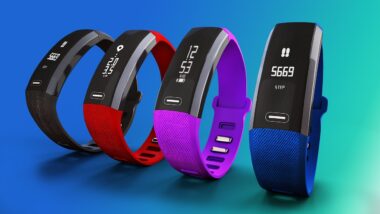
For those seeking a budget-friendly option without compromising essential features, the Xiaomi Mi Band 7 offers compelling functionality at a fraction of the cost of premium models. This fitness tracker is lightweight, compact, and well-regarded for accurately tracking heart rates during various activities. While it may lack some advanced capabilities found in pricier alternatives, such as GPS, it makes up for this through its affordability and reliable performance. The Mi Band 7 integrates seamlessly with a dedicated app that displays detailed insights into heart rate trends, caloric expenditure, and activity motivation. Users can benefit from sleep tracking features that help identify patterns and establish healthier routines. Another appealing aspect is the impressive battery life, allowing users to wear the device for weeks without needing a charge. Customization options further enhance user satisfaction, as they can personalize watch faces to match their style. With its vibrant display and straightforward functionality, this device finds favor among beginners or those who prioritize simplicity. Budget options still deliver quality performance, ensuring access to heart monitoring technology for all fitness enthusiasts.
When considering optimal functionalities, the Fitbit Charge 5 rises to the challenge by offering numerous health-tracking essentials alongside heart rate monitoring. This versatile fitness tracker includes built-in GPS, allowing users to accurately track routes without requiring a phone. The Sleep Score feature enables users to gauge sleep quality and gain insights into improving their rest. Moreover, the Daily Readiness Score assesses recovery needs, advising users on whether to push themselves or take it easy for optimal performance. With a vibrant AMOLED display, data visualization becomes engaging and easy to interpret. The Fitbit app enables comprehensive tracking by revealing trends and encouraging daily activity through challenges and social features. Users can compete with friends in various fitness challenges, adding a community aspect that fosters motivation. Furthermore, the Fitbit Charge 5 is equipped with stress management tools, helping users navigate their wellness journeys. As wearables continue to evolve, the incorporation of such features is becoming increasingly important. Combining various health metrics into one device enhances the user experience, making fitness tracking efficient.
The Future of Heart Rate Monitor Technology
As we explore the future of heart rate monitor technology, innovative designs will likely enhance user interaction. Brands will continue to prioritize seamless integration with various tech ecosystems. The emergence of advanced sensors and artificial intelligence will refine accuracy, delivering richer insights and personalized recommendations. Wearables may evolve to include features that openly analyze performance metrics in real-time while leveraging data to assist in health management beyond fitness classes. An increasing number of heart rate monitors are already capable of tracking stress levels, hydration, and even blood oxygen levels. Wearables with machine learning capabilities may soon adapt to individual users’ patterns, optimizing workout plans to refine fitness outcomes. Advanced connectivity, through stark improvements in app collaborations, can offer a unique user journey, allowing data to be shared and analyzed in greater detail. Furthermore, as healthcare institutions embrace telemedicine, the ability of heart rate monitors to transmit data directly to professional healthcare providers is on the horizon. Comprehensive health management may soon be accessible directly from a user’s wrist, simplifying health monitoring significantly. Consequently, as technology continues to advance, consumers can expect heart rate monitors that meet evolving fitness demands.
With applications ranging from personal fitness to clinical settings, heart rate monitors will likely see significant advancements in accuracy and ease of use. By incorporating evolving technologies such as voice commands and touchless controls, user experience will become even more intuitive. The discussion about ensuring data privacy and security will also be paramount, as more consumers adopt these devices. Engaged fitness communities may develop, offering insight, support, and encouragement. Such innovations can enhance motivation and accountability, fostering a sense of belonging among users driven by shared fitness goals. To conclude, the heart rate monitor landscape will evolve, offering ever more sophisticated and user-friendly devices tailored to meet varied needs. Ensuring adaptability and connectivity will be crucial, laying the foundation for personalized performance insights that cater to individuals, regardless of their fitness level. Collectively, heart rate monitoring technology is set to enhance the safety, efficiency, and enjoyment of workouts, ultimately contributing to healthier lifestyles. With continuous improvements on the horizon, enthusiasts can anticipate exciting developments that redefine how they engage with their fitness journeys. The future is bright for heart rate monitors, promising technology that empowers, educates, and inspires.