
Historic Milestones in the Global Parkour Movement
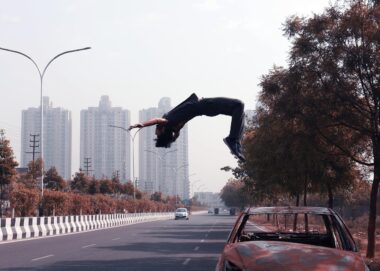
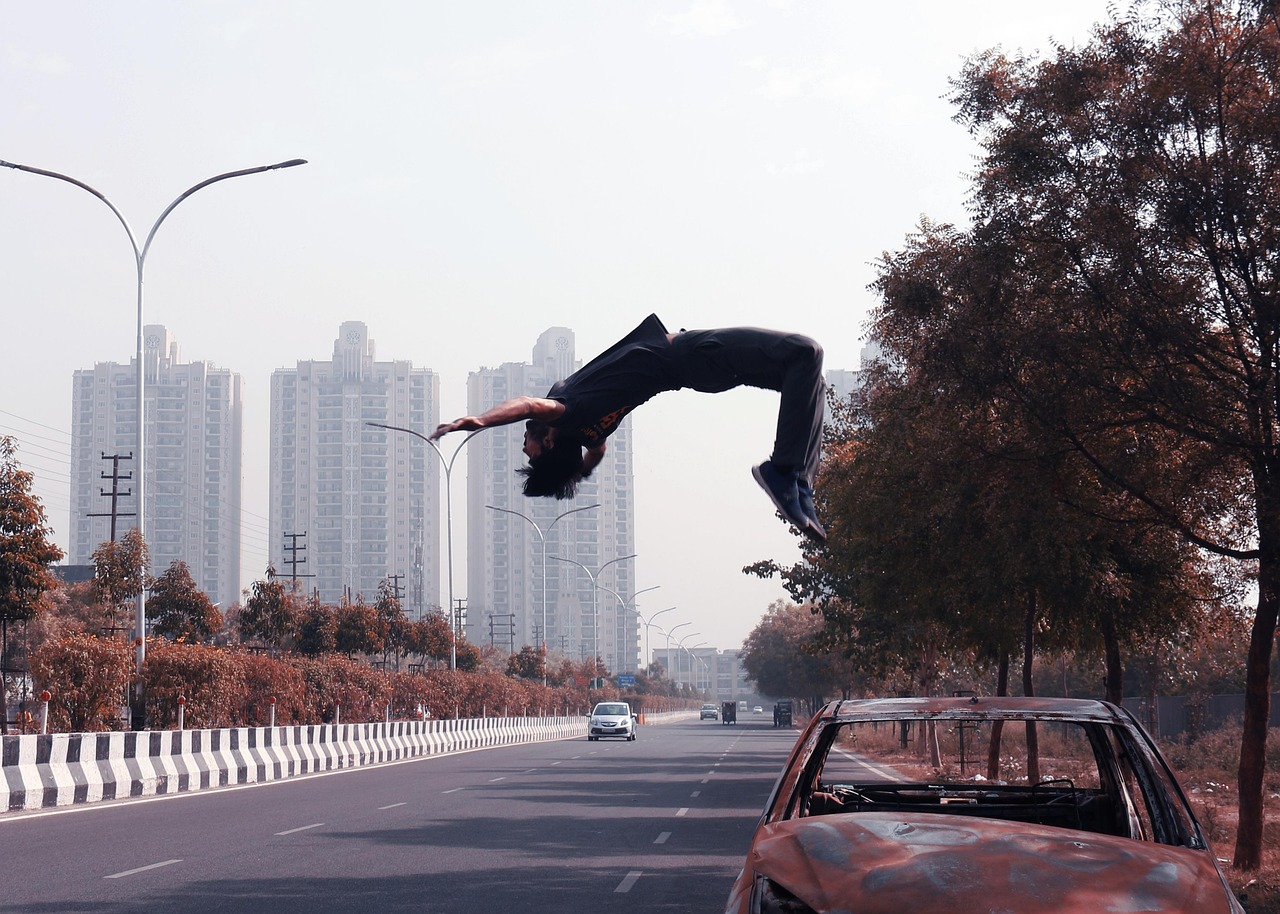
The origins of parkour can be traced back to the late 1980s and early 1990s in France when David Belle and his peers began developing a new way of navigating urban landscapes. This innovative practice drew inspiration from military obstacle course training and the philosophy of overcoming challenges. The essence of parkour lies in efficient movement, allowing practitioners, known as traceurs, to traverse spaces with agility and creativity. The community first received wider attention through the acclaimed documentary “Jump London,” released in 2003, showcasing the discipline’s breathtaking potential. This film played a pivotal role in popularizing parkour worldwide, where it began to flourish in various cities around the globe. As the movement grew, it united diverse practitioners, fostering communities committed to pushing boundaries and embracing physicality. Notable figures, such as Sebastian Foucan, also contributed significantly to the movement’s visibility through various media outlets and collaborations. Their influence inspired countless others and sparked the birth of local parkour groups worldwide, further establishing a global network of enthusiasts committed to the discipline. Today, parks and urban settings continue to resonate with traceurs who embody parkour’s core principles.
The Rise of Online Communities
With the advent of the internet, parkour enthusiasts began forming online communities that played a crucial role in sharing techniques and experiences. Platforms like YouTube and social media networks allowed traceurs to document their journeys, demonstrating skills and tricks. Notable videos featuring daring stunts and creative movements garnered millions of views, attracting a new audience fascinated by the art. These platforms created an opportunity for interaction, allowing practitioners to learn from one another and connect despite geographical barriers. The emergence of forums and dedicated websites, such as Parkour.net, further enhanced this sense of community, providing spaces for dialogue and resource sharing. By facilitating global engagement, these digital platforms helped spread parkour’s popularity at an unprecedented rate, leading to meetups and events that brought enthusiasts together in person. Moreover, these online communities helped solidify parkour’s identity as both a sport and a philosophy, encouraging the growth of its culture. As participants shared not only techniques but also their personal stories, the movement grew more than just physical prowess, emphasizing camaraderie and empowerment through shared experience.
As the parkour community matured, milestones continued to shape its identity and expansion. The creation of international competitions, like the Parkour World Championships in 2010, further demonstrated the seriousness of the discipline, allowing tracers to showcase their abilities on a global stage. These competitions added another layer of professionalism, attracting spectators, sponsors, and media attention, thus legitimizing parkour as a recognized sport. The addition of parkour-focused events to sports festivals and competitions catalyzed the growth of regional communities, encouraging participation among various demographics. Different styles and techniques began to flourish at these events as practitioners showcased their creativity and innovation. This invitation to express individuality fostered a culture of exploration and collaboration, bringing greater awareness to parkour’s values beyond competition. In addition to feats of athleticism, these events emphasized the importance of safety, responsible training, and injury prevention. As parkour became more mainstream, this commitment to responsible practice became crucial for newcomers and veterans alike, ultimately leading to a healthier, more sustainable community.
The Establishment of Formal Training
As parkour grew in recognition and legitimacy, the need for formalized training programs became increasingly apparent. In response, several organizations emerged, offering structured courses for beginner to advanced practitioners. Institutions like the Parkour Movement and the American Parkour Academy began developing curriculums to educate learners about proper techniques, safety measures, and the philosophy underlying the movement. These classes provided a safe environment for new traceurs to explore their abilities while minimizing injury risks, fostering a smoother learning curve. Moreover, the establishment of training academies helped break down geographical barriers, offering a centralized hub for skills development and community building. As a result, students gained access to experienced instructors who guided them through the learning process. Through workshops and seminars, enthusiasts learned not only the physical aspects of parkour but also the underlying mindset that drives the discipline. The combination of physical training and philosophical awareness fostered a sense of respect and commitment within the community, cultivating dedicated practitioners committed to ongoing learning and improvement.
The role of media in capturing parkour’s evolution cannot be understated. Documentaries, films, and commercials have showcased the dynamic nature of parkour, highlighting both individual journeys and the community’s collective growth. High-profile collaborations with brands further elevated parkour’s exposure, integrating the discipline into mainstream culture. Well-known athletes and celebrities became ambassadors for parkour, introducing the sport to audiences outside traditional demographics. Additionally, visually stunning cinematography highlighted the beauty of movement, capturing the attention of millions and igniting curiosity. As parks and urban environments became arenas for expression, the authenticity and creativity of the discipline flourished. Filmmakers began focusing on capturing not just the stunts, but also the artists behind them, emphasizing personal narratives that resonate with both practitioners and the public. This attention led to inquiries about parkour’s philosophy, sparking discussions about boundaries, creativity, and self-discovery. As a result, the media played a crucial role in forging a unique identity for parkour that transcends its athletic nature, emphasizing the importance of community, creativity, and self-expression.
Inclusivity and Diversity in Parkour
Today, the parkour community is characterized by its commitment to inclusivity and diversity, reflecting a broad spectrum of participants from different backgrounds and ages. This ethos has fostered a welcoming environment that encourages everyone to explore and embrace their physical capabilities. Initiatives aimed at breaking down barriers have emerged, such as programs specifically designed for children, individuals with disabilities, and women. These initiatives promote accessibility and representation, ensuring that parkour is available to all. Various women-led groups have also formed, empowering female practitioners and addressing challenges unique to women in the space. These developments reflect an evolving understanding of the discipline, positioning parkour as a medium for personal growth, empowerment, and social connection. The rise of localized groups and meetups creates opportunities for practitioners to form connections and support each other, reinforcing bonds within the global community. Furthermore, emphasis on mental health and well-being within parkour promotes a holistic approach, encouraging individuals to recognize the mental benefits derived from movement. This evolution not only enriches the parkour experience but positions it as a transformative practice that transcends physical training.
Global parkour communities continue to impact society positively, promoting values such as resilience, creativity, and mutual respect. By embracing a philosophy rooted in overcoming obstacles, practitioners develop valuable life skills that extend beyond mere athleticism. As more communities engage in outreach programs, parkour effectively breaks down barriers, inspiring individuals from all walks of life to push their limits. In schools and community centers, parkour workshops encourage physical activity while also fostering creativity and teamwork. These programs teach fundamental principles such as respect for one’s environment and a focus on personal growth, which resonate deeply within various communities. As parkour adapts, it draws influence from an ever-evolving global landscape, resulting in constantly enriched practices. Additionally, the sport’s core values of perseverance and adaptability prepare practitioners to navigate life’s challenges outside of movement. The fusion of the artistic element with physical training contributes to a culture of innovation and artistic expression. Today, parkour stands not only as a thrilling discipline but as a transformative force fostering self-improvement, collaboration, and community across the globe.
Looking to the future, the global parkour movement seems poised for continued growth and evolution. Current trends suggest increasing acceptance within mainstream sports organizations, as well as recognition by local governments who understand the value of parkour in urban planning. The ongoing establishment of parkour parks and dedicated spaces reflects a growing acknowledgment of the sport’s positive contributions to community health and well-being. Opportunities for collaboration with other sports, such as obstacle course racing and gymnastics, can further expand parkour’s reach and influence. These relationships can create cross-disciplinary training methods that engage practitioners in new ways. Additionally, the community’s commitment to education and responsible practice ensures that the future generation of traceurs is well-equipped to carry forward parkour’s values and philosophy. This nurturing environment not only strengthens the practice but fortifies community bonds, establishing a legacy for years to come. As parkour continues to evolve, its foundational principles of creativity, resilience, and inclusivity remain paramount, shaping a dynamic tapestry of experiences that unites diverse practitioners worldwide. The ever-changing landscape of global parkour is both exciting and full of promise.