
Enhancing Cardiovascular Health in Seniors Through Yoga
As we age, maintaining cardiovascular health becomes increasingly important for longevity and quality of life. Yoga offers a gentle yet effective way for seniors to enhance their heart health. Practicing regular yoga can improve circulation, lower blood pressure, and reduce stress, which contributes to a healthier heart. Many seniors face physical limitations or health concerns, making it vital to adopt low-impact exercises that still facilitate cardiovascular benefits. Yoga, with its emphasis on controlled movements and breath work, can be tailored to the needs of elderly practitioners, ensuring safety and effectiveness. Gentle poses, such as Forward Bend or Cat-Cow Stretch, can help increase blood flow while promoting muscle flexibility. In addition, yoga encourages mindfulness and mental calmness, reducing anxiety and promoting overall well-being. Seniors interested in incorporating yoga should consult with healthcare providers to create a suitable practice. Therapeutic yoga classes specifically designed for seniors can offer supportive environments to encourage participation. With dedication and proper guidance, seniors can experience significant improvements in their cardiovascular health by practicing yoga regularly.
Benefits of Yoga for Cardiovascular Health
Engaging in yoga provides numerous benefits that can significantly contribute to enhancing cardiovascular health. Firstly, yoga is known to decrease stress levels effectively, which is crucial for heart health. Chronic stress can lead to elevated blood pressure and heart-related issues. By focusing on breathing techniques and meditation practices, seniors can manage stress and promote relaxation, allowing their hearts to function more effectively. Furthermore, yoga can improve heart rate variability, a key indicator of cardiovascular fitness. Increased heart rate variability signifies a resilient heart, capable of responding appropriately to stressors. Another important benefit of yoga is its ability to enhance flexibility and strength, which plays a role in maintaining healthy circulation. Seniors often experience mobility challenges as they age. Incorporating gentle yoga poses improves joint mobility, ensuring that seniors can engage in daily activities without discomfort. Moreover, yoga supports weight management, another essential aspect of overall heart health. Gentle poses can increase metabolic activity, helping seniors maintain a healthy weight and reduce the risk of heart disease over time.
Incorporating yoga into a senior’s routine can also enhance breathing capacity, which is essential for cardiovascular health. Practicing controlled breathing techniques, known as pranayama, can boost lung efficiency and oxygen intake. This improved oxygen availability promotes better energy levels and endurance for physical activities. Moreover, by focusing on breath work during yoga, seniors learn techniques to calm the nervous system, which can further contribute to improved heart health. Several specific yoga practices, including gentle Hatha or restorative yoga, can significantly benefit seniors by enhancing blood flow and overall cardiovascular function. Importantly, these practices are accessible to all skill levels and can be modified to suit individual limitations. With personalization, seniors can explore yoga’s benefits without feeling overwhelmed or at risk of injury. Additionally, participating in group classes fosters a supportive community, enabling seniors to connect with peers who share similar health goals. This sense of belonging can enhance motivation and consistency in practice, ultimately leading to better cardiovascular outcomes over time. By creating a sustainable routine, seniors can develop resilience and foster lifelong habits that positively impact cardiovascular health.
Building a Safe Yoga Practice
Seniors interested in starting their yoga journey should approach it thoughtfully to build a safe and effective practice. First and foremost, it’s advisable to consult with a healthcare professional to ensure that yoga is appropriate given any existing medical conditions. Finding a knowledgeable instructor experienced in teaching seniors is vital to guide and adjust poses appropriately. A personalized approach ensures that seniors can enjoy yoga without straining themselves or risking injury. Special attention should be paid to warm-ups and cool-downs, which are crucial for older adults. Slow and gradual movements prepare the body for practice while also protecting it afterwards. Additionally, it is important that seniors listen to their bodies and avoid pushing beyond their limits. A focus on gentle poses and modifications can be beneficial in accommodating various physical limitations. Tools such as blocks, straps, and bolsters can offer additional support and encourage proper alignment in poses. Encouraging seniors to share any discomfort or pain during yoga allows for ongoing adjustments to enhance their experience. Developing mindfulness about their body’s signals can foster a deeper connection to their practice, promoting long-term benefits.
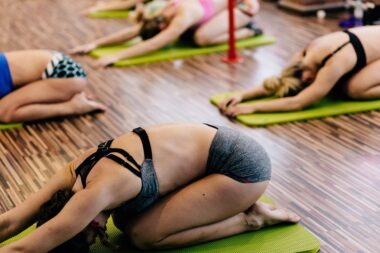
Regular practice is key for seniors to reap the cardiovascular benefits of yoga. Ideally, a practice routine can include at least two to three sessions per week. Each session may last between 30 to 60 minutes, incorporating various warm-ups, yoga poses, breath work, and relaxation techniques. Simple poses like Mountain Pose, Bridge Pose, or Child’s Pose can work effectively for enhancing circulation and heart health. The rhythm of flowing between poses can also encourage cardiovascular engagement without overexerting seniors. Incorporating restorative techniques, such as Savasana or gentle stretches, helps the heart rate decrease naturally during the cooldown phase. Consistency will not only boost cardiovascular health but also improve flexibility, balance, and mental well-being over time. Seniors may also benefit from setting small, achievable goals, such as trying a new pose or increasing their time on the mat gradually. Keeping a yoga journal can also enhance accountability and track progress week by week. Seniors who are patient and committed to a regular practice will find yoga rewarding, offering both physical and mental improvement that ultimately enhances their quality of life.
Conclusion and Recommendations
In conclusion, enhancing cardiovascular health through yoga is a viable and effective option for seniors seeking to improve their overall wellness. The benefits include strengthened heart function, enhanced flexibility, improved stress management, and increased mindfulness. With its adaptable nature, yoga can suit various physical limitations, making it an excellent practice for elderly individuals. Along with other healthy lifestyle choices, such as balanced nutrition and regular check-ups, yoga can be a powerful ally for seniors wanting to take control of their health. To ensure a successful yoga journey, seniors should start gradually, cultivate safety, engage in regular practice, and foster an open communication channel with their instructor. Different styles may resonate with different individuals, hence experimenting with various forms of yoga could uncover what feels best for each senior. Participating in community classes can enrich the yoga experience, allowing for social connections that support motivation toward sustained practice. Ultimately, integrating yoga into their lives can empower seniors, enhancing both their physical and mental health as they enjoy the journey of aging gracefully.
Finally, it is essential to emphasize the holistic approach yoga provides, stimulating not just the body but also the mind and spirit. Engaging in yoga can help seniors foster positivity and gratitude, encouraging a healthy attitude towards the aging process. The combination of physical wellness and mental resilience creates a solid foundation for achieving long-term cardiovascular fitness and overall quality of life. By prioritizing cardiovascular health through yoga, seniors can enjoy improved vitality, increased independence, and a greater sense of joy as they embrace their golden years. Through mindfulness and awareness developed in yoga, seniors will be empowered to enjoy their life fully, regardless of aging-related challenges. Whether through attending local classes, practicing at home, or joining online sessions, seniors have ample resources to explore yoga as a beneficial practice. Taking the first step towards incorporating yoga can be life-changing, revealing untapped potential for improvement in all facets of life. With the right guidance and dedication, yoga will be a transformative journey cultivating better health, relationships, and a deeper appreciation for life.
To summarize the valuable insights presented in this article, yoga is a powerful tool for enhancing cardiovascular health amongst seniors. Emphasizing the importance of mindfulness, regular practice, and proper technique ensures that seniors can safely engage in an impactful exercise regimen. Each aspect of yoga, from breathing to physical poses, contributes uniquely to maintaining overall well-being and heart health. Understanding these principles offers a comprehensive view of how yoga fits into a holistic lifestyle approach for seniors. By adopting this practice, seniors can improve not only their physical health but also their emotional and mental health. Encouraging seniors to explore community classes and adapt routines to fit their unique needs will empower them to commit to long-term practice. Realizing the potential benefits, one can appreciate how yoga becomes a foundational aspect of health in their golden years. Moreover, it is crucial to foster a supportive environment that nurtures participation, helping seniors embrace yoga as a lifelong journey towards enhanced wellness. By taking proactive steps towards their health, seniors can redefine aging, experiencing life richly and vibrantly through the power of yoga.