
Top Techniques Every Combat Sambo Practitioner Should Master
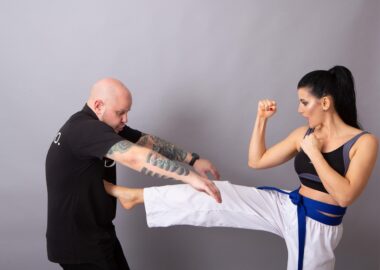
Combat Sambo is a unique martial art that combines elements of judo and wrestling. To become proficient, practitioners must master key techniques that emphasize grappling, striking, and self-defense. Among these, the technique of throwing plays a vital role. Throwing techniques such as the hip toss and shoulder throw should be practiced regularly, as they provide the foundation for successful takedowns. Coupled with effective footwork, a solid throwing technique allows a practitioner to control an opponent’s movements while creating opportunities for submission holds. Additionally, practitioners should also focus on ground techniques. Mastery involves transition movements such as guard passing and escaping from unfavorable positions. Proper positioning and movement can help maintain control and set up counters to an opponent’s next attack. Equally, understanding the striking aspect, including punches and kicks, is crucial. Striking should serve to set up throws and submissions or to create distance. Regular sparring sessions will help apply these principles while developing timing and accuracy during real combat scenarios.
Moreover, incorporating joint locks into your training introduces critical elements of submission grappling. Joint locks such as kimura and armbar can force an opponent to submit, showcasing the importance of leverage and body mechanics in Combat Sambo. Practitioners must explore the intricacies of these locks, ensuring that they understand the mechanics during both offensive and defensive scenarios. In Combat Sambo, one cannot overlook the significance of defensive strategies. Understanding how to counter throws and submissions not only improves overall skill set but also enhances resilience in stressful situations. Learning to evade attacks and apply counters can change the outcome of a match. The emphasis on mental preparedness as a part of training is equally vital. Visualization techniques can enhance performance significantly. As practitioners envision their moves and create in their minds various fight scenarios, this mental rehearsal bolsters confidence and improves decision-making under pressure. Lastly, maintaining physical fitness is also essential for combat proficiency. Regular strength and conditioning workouts can directly enhance agility and endurance, both of which are critical components of effective techniques in Combat Sambo.
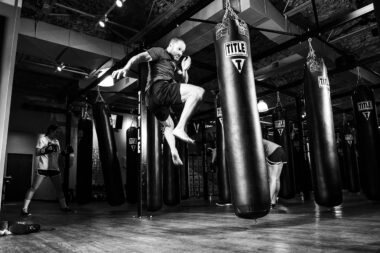
Practicing standing grappling is also fundamental to mastering Combat Sambo. This skill allows practitioners to initiate takedowns and control combats distance effectively. Key techniques to practice include the inside trip and fireman’s carry, both of which can lead to advantageous positions. Equally important are throws from different grips, which provide the versatility needed to adapt during a match. Knowledge of various grips enhances a practitioner’s adaptability, allowing them to implement their strategy regardless of an opponent’s style. Techniques related to striking should also be integrated—shadow boxing and partner drills can be effective ways to develop timing and distance management. Practitioners must not neglect the role of conditioning and cardio workout routines, which play a considerable role in maintaining stamina during long sparring sessions or fights. These sessions help simulate the fatigue and pressure of real matches. The conditioning will also improve explosive power, essential for executing throws or striking efficiently. Mental toughness, often underestimated, is crucial, as the fight game demands more than physical prowess alone. Practitioners should seek to enhance focus, determination, and a never-give-up attitude in their training culture.
Importance of Sparring in Combat Sambo
Sparring holds a premier position in the journey of a Combat Sambo practitioner, serving as a critical component for growth and skill refinement. Engaging in controlled sparring sessions allows individuals to apply techniques in a dynamic environment, simulating the conditions of an actual match. During sparring, the effectiveness of their techniques becomes clearer, and practitioners can gain valuable insights into their strengths and weaknesses. Regular sparring is also essential for developing the important attributes of reaction time and spatial awareness. These attributes are vital, as they directly correlate with a practitioner’s ability to evade attacks or deliver their own effectively. Furthermore, practitioners can learn to adapt their strategies against various opponents, exposing them to diverse styles and techniques. The camaraderie developed among sparring partners adds another layer of value. It fosters a supportive environment that encourages growth, as partners offer feedback and assist with the development of skills. As combatants learn from each other’s successes and failures, they cultivate resilience and adaptability within the ring, crucial for any martial artist aspiring to excel in Combat Sambo.
In addition to sparring, understanding the application of strategy is essential in Combat Sambo. Each encounter presents unique circumstances, requiring a different game plan. Aspects of strategy include pacing, controlling the fight’s rhythm, and knowing when to attack or retreat. A versatile approach can ensure practitioners remain unpredictable, making it harder for opponents to counter their moves effectively. Practicing situational drills during training can enhance strategic thinking and response capabilities. Additionally, studying previous matches and analyzing opponents’ techniques can provide further insight into effective strategies. Reviewing footage, recognizing patterns, and understanding opponents’ tendencies can be incredibly beneficial. Also, being open to feedback from instructors and peers is critical. Constructive criticism can shed light on potential areas for improvement that a practitioner may not recognize on their own. Moreover, setting achievable goals throughout training can motivate practitioners to stay committed and focused on their martial arts journey. Progress should be celebrated and acknowledged, fostering a positive learning atmosphere that encourages continuous improvement and dedication to mastering the art of Combat Sambo.
Physical conditioning tailored to Combat Sambo offers immense advantages. Endurance and strength play key roles in enhancing performance during both training and fights. Coupled with a nutritional plan, practitioners can fuel their bodies effectively, ensuring they develop resilience against fatigue. Engaging in exercises such as circuit training, cardio, and strength-building drills are crucial for optimizing physical conditioning for Combat Sambo. Incorporating plyometric exercises can increase explosiveness, further enhancing grappling techniques and striking power. Additionally, participating in cross-training activities can round out fitness. Activities such as swimming or running can keep routines fresh while building stamina. The importance of recovery should also not be overlooked. Recovery protocols, including stretching, foam rolling, and rest days, allow the body to repair and strengthen. Physically demanding sports require this restorative process to maintain peak physical performance. Mental recovery, through techniques such as meditation or visualization, can boost focus and calm nerves. Cultivating both physical and mental resilience will lead to more confident performance in the ring, as athletes learn to cope with the challenges that competitive martial arts present. Cultivating this balance is essential for mastering Combat Sambo.
Conclusion on Mastering Combat Sambo Techniques
Ultimately, mastering Combat Sambo requires dedication to learning various techniques while combining physical and mental training components. The importance of a solid foundation in throwing, grappling, striking, and submission techniques cannot be understated. Practitioners must strive to expand their skill set while maintaining a solid relationship with their training partners and instructors. Engaging in regular sparring, focusing on strategies, conditioning, and recovery all contribute to overall capability and effectiveness in Combat Sambo. Recognizing that progress may take time and accepting constructive feedback fosters a growth mindset essential for martial arts progress. The journey of mastery will be filled with challenges and successes, and practitioners must embrace both. Whether you’re a beginner or a seasoned athlete, there’s always room to improve in Combat Sambo. Maintaining the right mindset, coupled with dedication and the intention to learn, creates a strong platform for future accomplishments. Achieving mastery isn’t simply about technical skill but also about developing the mental fortitude to overcome obstacles. Practitioners should equip themselves with both skills and the right mentality to succeed in Combat Sambo, making it an enriching and rewarding martial arts journey.
By deciding to prioritize continuous learning and practice, every Combat Sambo practitioner can achieve their goals in the martial arts realm. Focusing on techniques learned throughout this journey will pave the way to becoming a well-rounded athlete. Always remember that the fundamentals are critical to success, and revisiting these techniques will lead to refining skills over time. Putting in the time and effort in training leads to fulfilling experiences and, ultimately, successful performances. Adaptability, resilience, and a willingness to learn are what set effective practitioners apart. Never hesitate to seek out new knowledge or training opportunities. Testing oneself through competition can give insights and valuable lessons informing training methods. Support your fellow practitioners in this journey, as teamwork and camaraderie will be essential elements of growth within Combat Sambo. The essence of martial practice goes beyond mere physicality; it’s about self-discovery, discipline, and respect for oneself and others. Wholehearted dedication ensures growth in all aspects of this martial art. Engage the community, join seminars, and learn from higher belts; each step will contribute significantly to your overall mastery of Combat Sambo. Push your limits while cultivating friendships along the way.