
Developing Multi-Disciplinary Skills for Adventure Racers
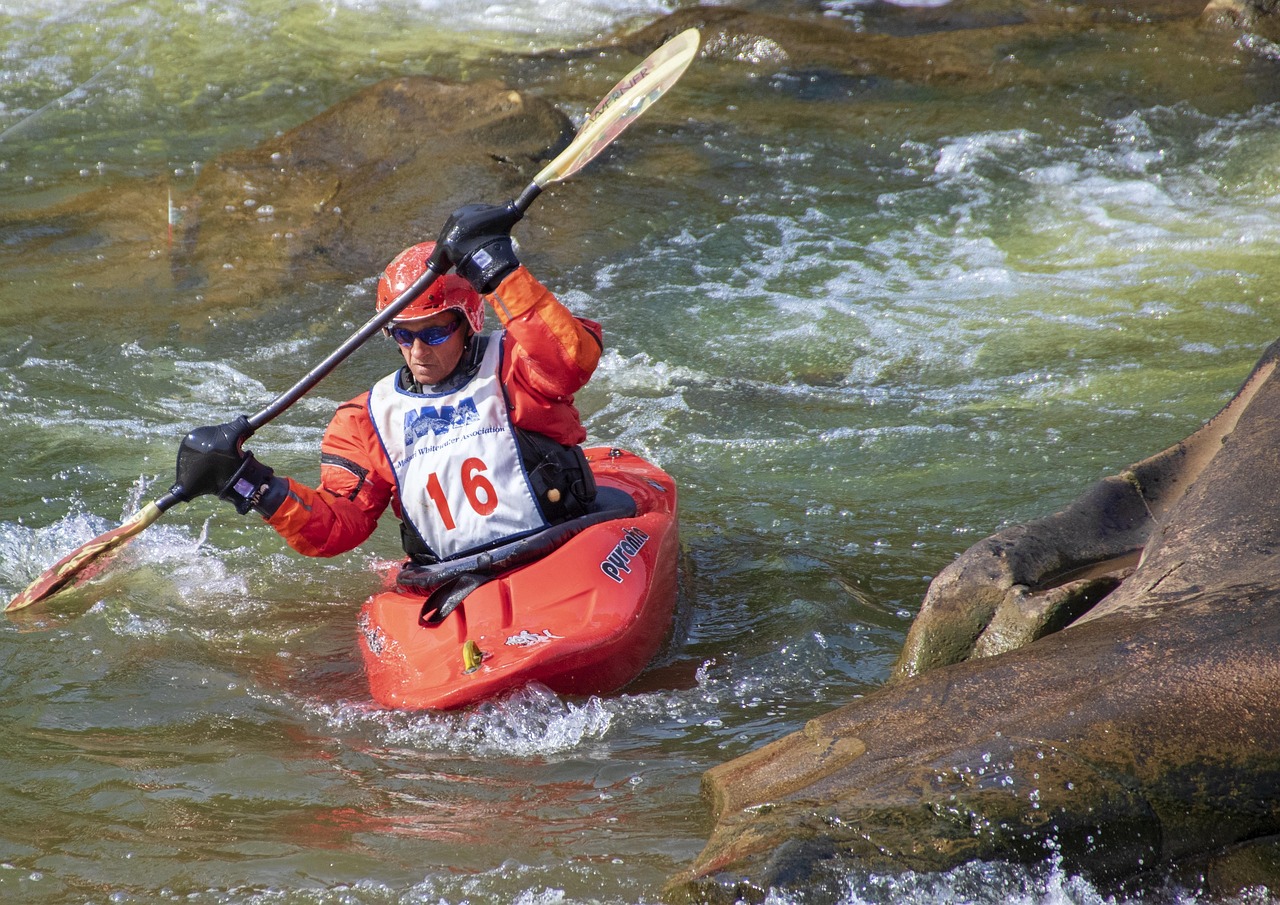
Adventure racing is a dynamic sport that challenges participants to engage in various disciplines such as trekking, cycling, and kayaking. To excel in these competitions, athletes must build a diverse set of skills. Each challenge requires unique techniques and strategies, making it essential for racers to adapt quickly. A strong foundation in physical endurance is vital, as these events can be mentally and physically demanding. Moreover, understanding navigation through both natural and urban landscapes is critical. Adventure racers benefit significantly from honing their problem-solving abilities on the trail. Whether it’s fixing a bike or quickly deciding on a route, quick thinking is crucial. Additionally, developing teamwork skills can enhance overall performance. Many races require collaboration and communication among team members. Practicing these skills in training can lead to success during competition. Lastly, participants should also focus on nutrition and hydration strategies. Proper fueling can make a substantial difference in an athlete’s performance. When all these elements come together, the adventure racer stands a much better chance at finishing strong in a competitive environment. Multi-disciplinary training not only builds competence but also promotes enjoyment in the sport.
Moreover, mental resilience is an often overlooked aspect of adventure racing that is essential for success. Racers face numerous challenges, including dealing with fatigue and navigating adverse weather conditions. Developing a strong mental game can foster perseverance and help participants push through difficult moments. Techniques such as visualization, mindfulness, and positive self-talk can greatly enhance mental strength. Setting realistic goals during training and competitions contributes to building confidence. Additionally, conducting mock races helps athletes prepare for actual event conditions. Gaining experience under race-like situations can enable participants to develop coping strategies for stress. Strong emotional intelligence also plays a role in managing feelings during high-pressure events. Cultivating relationships with fellow racers creates a support network that can be invaluable during competitions. Relying on teammates during tough times fosters camaraderie and trust among athletes. Utilizing various training methodologies, from interval workouts to endurance sessions, helps build comprehensive skills. Effective time management during both training and competition is essential for balancing the various components. Lastly, applying lessons learned from previous races contributes to continuous improvement as an adventure racer. Staying committed to growth throughout one’s racing career is key for long-term success.
Physical Conditioning Techniques
To thrive in adventure racing, athletes must maintain peak physical condition through diverse training methodologies. Strength training is vital for building the muscle necessary to tackle various terrains. Incorporating resistance exercises, such as squats and deadlifts, can enhance overall body strength. Furthermore, endurance training, which includes long-distance running or biking, should also be an integral part of an athlete’s regimen. Interval training supplements endurance by improving cardiovascular fitness and increasing stamina. Athletes should tailor their workouts to mimic race conditions, preparing them for the unpredictable nature of adventure racing. Flexibility training, often neglected, is equally important for injury prevention. Regular stretching or incorporating yoga practices can improve an athlete’s range of motion. Additionally, functional training, which focuses on movements applicable to race tasks, is paramount. Essential techniques such as a single-leg deadlift or box jumps help athletes develop stability and coordination. Cross-training in different disciplines can also prevent burnout while improving overall fitness. Proper recovery strategies, including sleep, hydration, and nutrition, are equally essential for optimal performance. Successful adventure racers understand that effective training programs must encompass all these elements for comprehensive development.
Another fundamental aspect of setting up an effective adventure racing training program is mastering navigation skills. Strong navigational abilities can make the difference between success and failure in a race. Athletes should develop familiarity with map reading, compass use, and GPS technology, ensuring they can navigate through complex terrains. Practicing with a mentor or in various environments can enhance these vital skills. Understanding terrain types and how they affect pace, efficiency, and risk are crucial for making informed decisions during races. Additionally, planning and strategizing routes ahead of time mitigate potential issues during the event. Familiarity with different terrains promotes a safer racing experience and increases confidence. Additionally, financial planning for races can also play a significant role in preparation. Allocating budgets for gear, entry fees, travel expenses, and accommodation can help racers avoid unnecessary stress. Always investing in quality gear is crucial, as it leads to improved performance and safety. While it is associative, being prepared to adapt is also an integral skill; racers must stay flexible as challenges arise. Developing a strong strategic approach to both racing and preparation allows participants to maximize their performance and enjoy the entire adventure racing experience.
Team Dynamics and Collaboration
In adventure racing, teamwork takes center stage, primarily because of the required collaboration among team members. Effective communication is critical in high-pressure environments, as each member must convey valuable information quickly and efficiently. Building team dynamics through practice sessions fosters trust and understanding, enhancing performance when it matters most. Moreover, leadership roles should be clearly defined among the team. This clarity promotes smooth decision-making during competitions. Team members should complement each other’s strengths by dividing roles based on individual capabilities. Flexibility in team dynamics can adapt to suit various event conditions. Regular debriefing after training sessions can help teams refine their strategies and improve performance moving forward. Recognizing and celebrating achievements collectively fosters camaraderie and motivates athletes throughout the season. Training under diverse conditions simulates race-day experiences, offering opportunities to enhance cooperation skills. Moreover, mental and emotional support among team members can be invaluable during challenges. Coaches should encourage ongoing feedback and communication so that relationships among teammates grow deeper. A solid team foundation is essential, not only for achieving goals in races but also for developing supportive friendships outside the competitive field.
Nutrition plays an indispensable role in adventure racing; it significantly influences performance, recovery, and overall well-being. Athletes must prioritize their dietary choices to ensure that they have the energy and stamina necessary for demanding events. Planning meals around training schedules is crucial to maintaining optimal performance. Additionally, understanding macronutrient balance can improve energy levels during races. Incorporating carbohydrates for immediate fuel, proteins for muscle recovery, and healthy fats for sustained energy allows for enhanced performance. Moreover, practicing hydration strategies is equally important. Staying well-hydrated not only supports endurance but also aids in muscle function and cognition. Learning how to gauge electrolyte loss and replenishment is essential for long races. Experimenting with different energy sources during training helps determine what works best for individual racers. Recipes for energy bars or electrolyte drinks can be customized at home based on preferences. Preparing for race-day nutrition is equally important, from knowing what and when to eat for optimized performance. Overall, maintaining a healthy, nutritious diet sets the foundation for success among adventure racers. Engaging with nutritionists or dietitians specializing in sports can provide further guidance to develop optimized plans.
Safety Measures and Risk Management
Finally, incorporating safety measures and effective risk management strategies is imperative for those involved in adventure racing. The unpredictable nature of races necessitates established safety protocols to safeguard participants. Understanding the risks associated with extreme outdoor environments is critical for appropriate preparations. Teams must develop scenarios addressing potential dangers, such as injuries, adverse weather, or lost team members. Crafting comprehensive emergency plans ensures that athletes can respond quickly if issues arise. Carrying essential gear, including first-aid kits and emergency signaling devices, adds practical safety layers. Additionally, training should incorporate educational sessions focused on risk assessment and management. Learning how to recognize environmental hazards can significantly contribute to overall safety. Coaches should emphasize the importance of respecting nature while navigating unpredictable territories. Furthermore, setting boundaries during training and racing can enhance awareness. Participants must practice assessing their limits and understanding when to take risks or not. Lastly, fostering a safety-first mindset among team members can cultivate a culture dedicated to ensuring everyone’s well-being. By prioritizing safety, athletes can fully focus on their performance and create memorable experiences competing in adventure racing.