
Postnatal Core Rehab: Combining Functionality with Safety
Postnatal core rehabilitation is a vital component for many new mothers. After childbirth, the body undergoes numerous changes, particularly in the abdominal and pelvic regions. These changes can impact overall functionality and strength. Effective rehabilitation addresses these concerns, promoting strength, stability, and safety. It is essential for the core muscles to regain their strength systematically and safely. A well-designed postnatal rehab program helps mothers return to their regular activities confidently. Additionally, rehabilitation reduces the risk of injuries that can occur due to weakened core muscles. Safety is paramount, and exercises should be gentle yet effective, gradually increasing in difficulty. It’s critical to start with basic exercises that engage the stabilizing muscles of the core. Furthermore, incorporating breathing techniques can enhance the effectiveness of core workouts. Emphasizing proper form helps in avoiding common mistakes that could lead to complications or setbacks. Regular assessments throughout the rehabilitation journey ensure that mothers remain on track. Employers in the fitness industry must be trained to educate their clients adequately. Proper guidance can significantly improve rehabilitation outcomes for postnatal women.
Understanding the anatomy of the core is crucial for effective rehabilitation. The core comprises muscles that stabilize the trunk, including the rectus abdominis, transversus abdominis, and pelvic floor muscles. During pregnancy, these muscles stretch and weaken, which can lead to conditions such as diastasis recti. Diastasis recti occurs when the abdominal muscles separate, causing a bulge in the midline. Identifying this condition is essential before starting exercises. Safe treatment involves specific exercises that promote healing rather than exacerbating the issue. Gradually engaging the core muscles is critical to restoring strength and functionality over time. Incorporating both strength and flexibility training works well for recovery. Core exercises should focus on reactivating the deeper muscle layers, which stabilize the pelvis and spine. These foundational exercises facilitate a smoother transition back to more complex movements. Furthermore, it is crucial to maintain an emphasis on proper body alignment throughout rehabilitation. Engaging a qualified professional can guide mothers through tailored exercises that embrace individual needs. Ultimately, personalized and safe rehabilitation leads to better recovery outcomes for mothers in their postpartum journey.
Postnatal Core Exercise Components
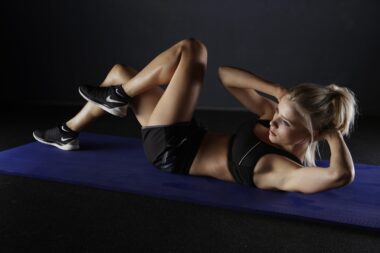
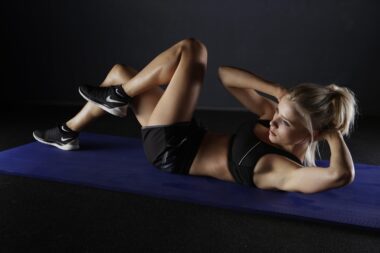
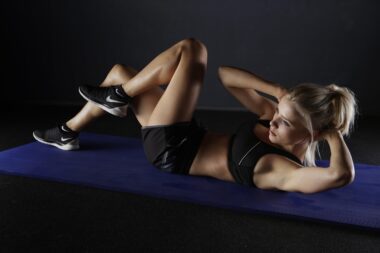
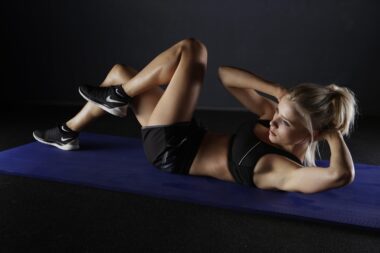
In postnatal core rehabilitation, various key exercises are recommended to enhance strength and promote safety. Initially, engaging in breathing exercises is vital, as it forms the foundation of core activation. Diaphragmatic breathing strengthens the diaphragm while activating core muscles gently. Pelvic tilts can help to realign the spine and engage the abdominal muscles effectively. Gradually, you can incorporate modified crunches and bridges, offering a more advanced challenge while still being safe. Bridges are especially good for strengthening the glutes and lower back, creating a stable base for core recovery. Another important exercise is the side-lying leg lift, which strengthens the obliques dynamically. Additionally, incorporating functional movements such as reaching, bending, and lifting can help integrate core strength into daily activities. A holistic approach encourages mothers to connect mental and physical aspects of their rehabilitation. Fine-tuning posture awareness also plays a significant role in achieving optimal results. An instructor trained in postnatal fitness can offer personalized modifications based on an individual’s needs and recovery stage. Collaboratively working towards achievable goals helps ensure successful rehabilitation experiences.
Safety in postnatal core rehabilitation remains a top priority. Before starting any core program, consulting with a healthcare provider is strongly advised. They can assess individual readiness based on physical conditions and recovery status. Each woman’s experience after childbirth differs significantly, affecting rehabilitation needs. Some may encounter complications such as pelvic organ prolapse or urinary incontinence, warranting specialized attention. Additionally, understanding the signs of overexertion—such as pain or excessive fatigue— is essential. It’s important to listen to your body’s feedback throughout the process and make necessary adjustments. Gradually increasing exercise intensity helps avoid potential setbacks. Furthermore, promoting supportive head and neck posture during exercises reduces strain. Ensuring a comfortable, safe environment encourages adherence to the routine, integrating rehabilitation naturally within daily life. Encouraging social support, whether from family or community groups, fortifies motivation, creating accountability throughout rehabilitation. Moreover, it’s essential to balance firmness and flexibility in training. Ultimately, safety-driven practices empower mothers to reclaim their core strength confidently while encouraging positive emotional experiences in the postnatal period.
Incorporating Mobility and Flexibility
Mobility and flexibility must be integrated into postnatal core rehabilitation programs. These aspects enhance recovery while promoting overall body function. Gentle stretching exercises during rehabilitation can mitigate muscle tightness and reduce the risk of injury. Moreover, focusing on stretching can foster relaxation, crucial for mothers who may experience stress postpartum. Including yoga and Pilates can facilitate these body awareness benefits through coordinated movement. Flexibility exercises such as child’s pose, cat-cow, and spinal twists can be both restorative and empowering. Working on mobility helps restore the range of motion, particularly in the hips and lower back. Improving these areas positively influences core functionality, ensuring comprehensive rehabilitation considers every aspect of physical health. Regularly practicing these movements cultivates body awareness and encourages a more profound connection with self. Additionally, exploring various movement patterns promotes adaptability in various activities. Simple flow-based sequences encourage deeper breathing, enhancing physical and mental well-being. Consistent dedication to mobility and flexibility paves the way for more complex movements and reinforces recovery. Thus, incorporating these vital components leads to safer, more effective rehabilitation for new mothers.
The role of nutrition in postnatal core rehabilitation cannot be overlooked. Proper nutrition supports recovery, ensuring that the body has all necessary nutrients for healing. Mothers require adequate intake of proteins, vitamins, and minerals to promote tissue repair and overall well-being. Iron-rich foods help combat postpartum fatigue, while calcium and vitamin D support bone health. Moreover, staying hydrated significantly influences energy levels, enhancing overall rehabilitation outcomes. Eating balanced meals throughout the day maintains energy levels during workouts, fostering effective performance. Encouraging mindful eating habits promotes strong emotional connections with food, reducing stress. Supplementation may also be necessary for specific nutrients, based on individual dietary needs. Consulting a registered dietitian can offer personalized nutrition guidance, addressing unique postpartum requirements and concerns. As mothers embrace their new journey, finding healthy snacks that promote consistent nutrition can foster sustainable habits. Emphasizing a balanced diet alongside physical rehabilitation sets the stage for holistic healing. Hence, integrating nutrition education into postnatal core rehab programs enhances wellness and empowers mothers in their recovery journeys.
Conclusion and Long-term Impact
In conclusion, postnatal core rehabilitation combines functionality with safety, fundamentally transforming women’s recovery experiences. Addressing specific needs through tailored exercise programs empowers mothers to reclaim control over their bodies. The holistic approach ensures that mental, physical, and emotional aspects of recovery are interwoven into each participant’s rehabilitation. Implementing proper guidance prepares mothers for the unique challenges that come with postpartum life. Moreover, establishing a strong foundation for core stability carries long-term benefits, influencing activity choices and reducing the risk of future injuries. This proactive approach fosters a greater awareness of one’s body, encouraging healthier lifestyle decisions. Encouraging education on self-care practices and community resources promotes ongoing support, therefore bolstering recovery over time. As women continue to engage in activities after rehabilitation, they cultivate sustainable habits that persist throughout life. Creating a nurturing environment that embraces mothers in their postpartum journey enhances overall well-being. Ultimately, prioritizing postnatal core rehabilitation simplifies the return to daily activities while fostering a healthier, happier future for mothers and families.
In summary, postnatal core rehabilitation plays a pivotal role in postnatal recovery. Involving mindful exercises, nutritional guidance, and emotional support lays the foundation for strong motherhood. Acknowledging this critical period enables a comprehensive approach to women’s health, accounting for diverse needs and preferences. This journey supports women’s confidence, empowering them to navigate their evolving roles. Providing accessible resources makes it easier for mothers to commit to their rehabilitation journeys. As practitioners emphasize safety, functionality, and community, they can promote a well-rounded recovery. Therefore, embracing postnatal core rehabilitation can provide transformative benefits that extend far beyond physical fitness, fostering lasting emotional connections and a supportive community.