
Balance and Coordination Games for Beginners
Balance exercises are crucial for enhancing coordination and stability in individuals. Beginners often find these exercises beneficial as they lay the foundation for more advanced movements. One fundamental game to start with is the Balance Beam Walk. This exercise can be done using a simple line drawn with tape on the floor. Participants need to walk heel-to-toe along the line without stepping off. This simple activity not only aids in developing balance but also sharpens focus. Another engaging game includes the Single Leg Stand. Players will stand on one leg while attempting to maintain their balance for a set time. To make it fun, you can introduce challenges like closing the eyes or gently pushing against the standing leg. Creating an obstacle course with cones or balls is another superb way to incorporate balance training while optimizing coordination skills. Each game can be modified according to the skill level, ultimately making these practices suitable for everyone. Incorporating music or a timer can elevate the excitement and motivation levels. By engaging in these beginner games, individuals can improve their stability effectively.
Another popular game for beginners is Timed Balance Challenges. In this activity, participants aim to hold a balance position for specific intervals. Starting with less than a minute helps build confidence before gradually increasing time limits. Use a stop-watch or timer app for accurate tracking, and invite friends to foster a playful environment. Besides enhancing balance, this game also pushes individuals to compete, promoting a sense of achievement. Another excellent exercise involves using Balance Cushions. These inflatable cushions can be placed on the floor, and participants can attempt various movements while trying to maintain balance, such as squats or seated positions. This game helps strengthen stabilizing muscles crucial for physical activities. Incorporating group activities is also an option; for instance, you can organize competitions in pairs. For example, partners can alternate between balancing and challenging their friends to see who lasts longer. This nurtures teamwork and camaraderie. With consistent practice, individuals not only enjoy the process but also progressively develop vital balance and coordination skills essential for their everyday lives.
Incorporating Fun Elements
A fun twist to balance exercises can be with Balance Games with Props. Utilizing props such as bean bags, balls, or hula hoops can add a playful element to traditional exercises. For instance, beginners can place a bean bag on their head while walking on a line, enhancing focus on maintaining equilibrium. Another intriguing game includes Balloon Balance, where players must balance a balloon on their head while navigating a course. This activity injects laughter and play into balance exercises, making them more enjoyable. To provide an additional challenge, players can practice these activities in different environments, such as on grass or sandy surfaces. Furthermore, implementing group challenges encourages individuals to push their limits collaboratively. Incorporating fun tasks like goofy relay races not only makes the exercises entertaining but also effective in improving balance and coordination. Ultimately, striking a balance between fun and practice makes these activities sustainable and more appealing for beginners. Engaging others in these exercises will lead to a supportive atmosphere encouraging enhanced participation in improving overall physical fitness.
Another exciting game is the Balance Toss. This involves players standing on one leg while tossing a ball or an object to a partner. The goal is to balance and successfully complete multiple tosses without losing stability. This game promotes focus and coordination while introducing an element of teamwork. Additionally, players can switch legs to ensure both sides develop equally. A game emphasizing reaction time is the Balance Tag. In this game, one player is ‘it’ and must balance while tagging others. The catch is that they must maintain balance, which creates a fun yet challenging dynamic. Beginners can expand their skills while engaging in spirited competition. Transitioning these games to outdoor settings is also beneficial, as uneven terrain can enhance the challenge. Players can practice on grass or beach for a more integrated experience. It builds versatility in balance abilities, translating not only to games but real-life activities. Overall, these engaging games encourage participation and nurture necessary skills, providing vital physical fitness through an enjoyable and social atmosphere.
Mindfulness in Balance Exercises
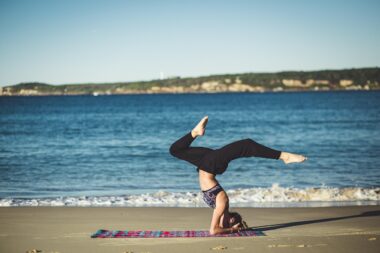
Incorporating mindfulness can further enhance balance training for beginners. Activities like Yoga Balance Poses create a mixed experience of physical coordination and mental clarity. Simple poses such as the Tree Pose or Warrior III can be practiced to foster core strength while emphasizing mindful breathing. This combination not only trains the body but also calms the mind, allowing participants to connect more profoundly with their balance exercises. Furthermore, using a mirror promotes self-reflection and insight into balance techniques. Observing one’s posture can help correct form and improve stability. Balancing while engaging in other physical activities, such as dancing or tai chi, is another method to introduce mindfulness. These rhythmic motions enhance balance while captivating attention through techniques that keep the mind present. Another approach to infusing mindfulness is through nature walks; balancing on various surfaces found in parks fosters awareness regarding body movements. Overall, merging mindfulness with balance exercises not only boosts concentration but also nurtures a holistic growth perspective. By focusing on breathing and the body, beginners gain valuable skills applicable to all aspects of their lives.
The Balance Plate Activities offer another great dimension to coordination and balance exercises for beginners. By utilizing a balance plate, individuals can practice standing, shifting weight, or performing different movements that challenge stability in a dynamic way. The idea is to improve proprioception while building muscle strength. Participants can add fun circuits by going from standing to squatting or performing controlled upper body movements while maintaining balance. Engaging in group settings also promotes camaraderie, as individuals can encourage each other. To further enhance the experience, beginners can challenge themselves by balancing on one foot while tossing a ball to nearby participants. Practicing these plate activities not only enhances balance but builds confidence when tackling various physical scenarios. As the games develop, introducing specific timing challenges can push individuals out of their comfort zones. Tracking progress through either personal records or group achievements creates a system of accountability in which everyone aims higher. These workouts can be incredibly rewarding as they empower individuals to enhance their stability and overall fitness in a fun and supportive atmosphere.
Conclusion
In summary, incorporating various balance and coordination games is a fun and effective way for beginners to engage physically. As explored through a range of game types, balance exercises promote overall body control and coordination. These games ensure that while learning essential skills, participants enjoy themselves, fostering a positive attitude towards fitness. Initiatives like time challenges, props, and teamwork build a supportive learning environment, facilitating personal connection. Activities like the Balance Beam Walk and Timed Balance Challenges provide solid foundations. Likewise, integrating mindfulness through yoga poses elevates these exercises, marrying physical and mental growth. Experimenting with balance plates introduces exciting challenges that build strength, confidence, and stability over time. As more people embrace these beginner-friendly exercises, fostering communities centered around balance practice creates connections that last. Encouraging individuals to share their journey of balance improvement not only boosts self-esteem but also enhances motivation. So dive into these balance games today, and witness the remarkable transformation in not only your skills but overall physical fitness!
By trying out various balance games, you actively engage in practices that pave the way for healthier lifestyles. No matter where you are in your fitness journey, these activities are approachable and fun for all skill levels. As you challenge yourself and keep pushing towards improvement, remember that balance is key—not just in terms of physical coordination, but also in personal growth and overcoming obstacles.