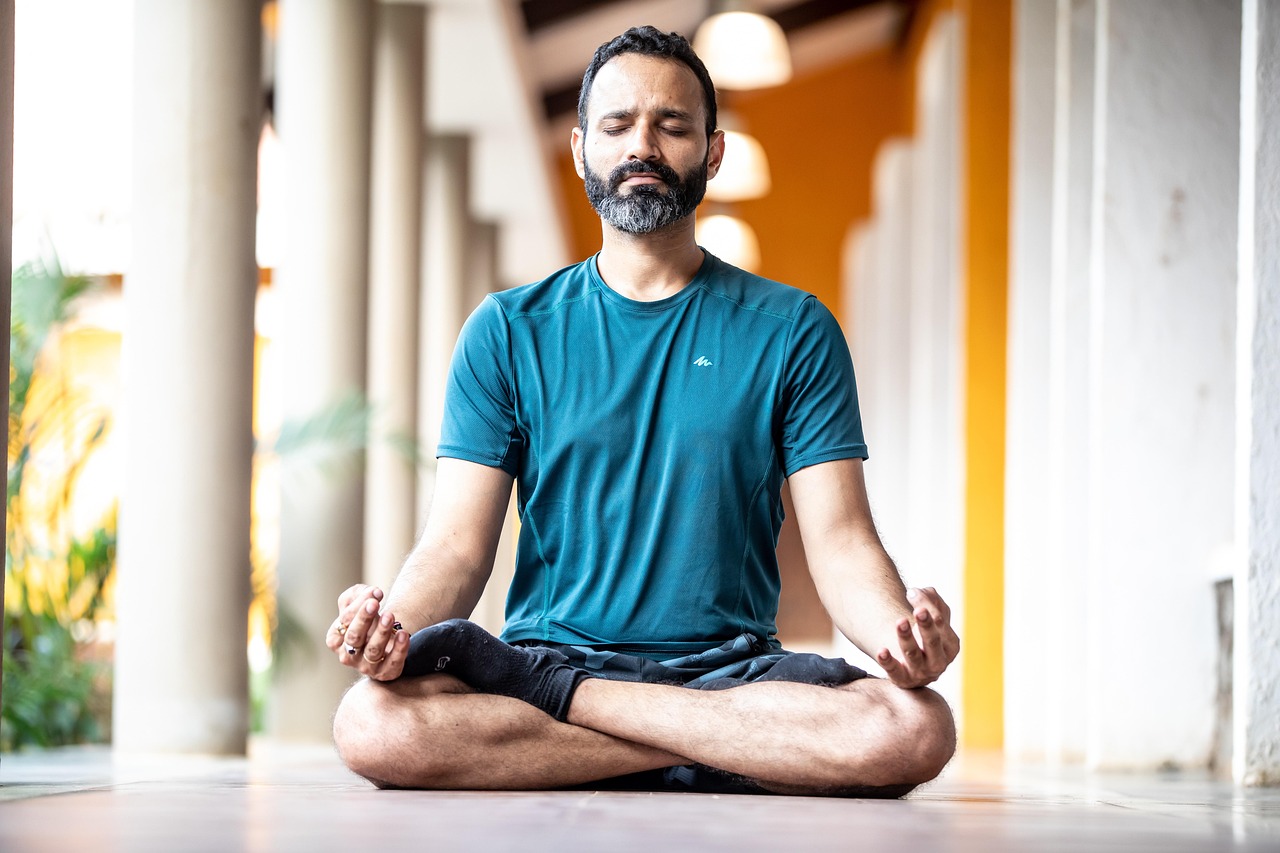

Innovations in Yoga Apparel: Technology Meets Comfort
Yoga apparel has evolved significantly, merging technology with comfort to enhance performance and convenience. As practitioners demand more from their clothing, manufacturers are responding with innovative solutions like moisture-wicking fabrics and four-way stretch materials. This transition not only improves comfort during various yoga poses but also allows for better breathability. Yoga enthusiasts now seek garments that support their movements without restricting them, which raises the bar for what yoga gear should accomplish. Furthermore, the integration of smart textiles has added a new dimension to yoga apparel. These garments often include features that monitor body temperature and heart rate, indicating how the body responds during practice. With the rise of athleisure, many yoga pants and tops are designed for casual wear beyond the studio. The blending of function and style is no longer just a desire; it’s now an expectation among consumers. Brands that prioritize quality and durability in their yoga apparel are increasingly dominating the market, as awareness grows regarding sustainable practices. Thus, environmentally friendly materials that feel luxurious are becoming essential in the contemporary yoga apparel landscape. Overall, the advancements in yoga gear continue to reflect the evolving needs of practitioners.
Recent innovations in yoga apparel focus on technological advancements that enhance functionality. The integration of technologies like antimicrobial treatments and UV protection is gaining traction. These features ensure that yoga clothing remains fresh after workouts and provides protection from harmful sun rays during outdoor sessions. Furthermore, the use of seamless constructions minimizes chafing, making workouts more enjoyable. Wearers can expect yoga gear to better accommodate various body shapes and sizes, as brands embrace inclusivity in their designs. This change marks a significant cultural shift within the fitness community, promoting self-acceptance among practitioners. Additionally, popular materials like bamboo and recycled polyester are becoming common choices, allowing consumers to choose environmentally conscious products. Companies are now addressing user demands for yoga apparel with pockets, enabling convenient storage for essentials during classes. This functional upgrade reflects the busy lifestyles many practitioners lead, blending style with practicality. Moreover, collaborations between yoga influencers and brands create exciting collections that resonate with target audiences. This strategy not only drives marketing efforts but also enhances the sense of community. Consumers are increasingly looking for apparel that reflects their values, emphasizing not just performance but sustainability.
The Role of Sustainable Practices
Sustainability is another critical aspect shaping the innovations in yoga apparel today. As environmental awareness grows among consumers, brands are under pressure to adopt sustainable practices. Many leading companies now produce yoga gear that utilizes eco-friendly materials and ethical manufacturing processes. Conscious consumers are eager to support brands that demonstrate genuine commitment to sustainability, pushing the industry toward eco-innovation. Biodegradable materials and organic cotton are gaining popularity, as they contribute to reducing the impact on our planet. Furthermore, manufacturers are developing production techniques that minimize water usage and waste generation. Such advancements play an essential role in changing the perception of yoga wear. Collaboration with certifying bodies ensures transparency and accountability within the industry. Consequently, more consumers are opting for products that align with their values, leading to an increased demand for sustainable yoga apparel. Brands recognizing this trend position themselves advantageously, reflecting their community’s aspirations and preferences. Eco-friendly yoga apparel not only benefits the environment but also fosters a sense of mindfulness among practitioners during their exercise routines. This movement reiterates the idea that the choices we make daily can contribute positively to our world.
Technological integration also enables enhanced personalized experiences through yoga apparel. Virtual platforms and mobile applications allow practitioners to track their performance while simultaneously learning about the best techniques for their bodies. Wearable technology with integrated performance tracking features provides valuable feedback that can improve one’s practice. These developments not only motivate users but also engage them through data-driven insights. This movement toward personalization shines a light on the specific needs of diverse yogis. As a result, there is a significant rise in custom-tailored yoga gear designed to meet individual requirements. The intersection of big data with yoga gear development ensures that every piece of clothing serves a purpose beyond aesthetics. Additionally, wearers can enjoy clothing that reflects their personal style while still benefiting from cutting-edge innovations. Retailers are tapping into this trend by offering customizable options or limited-edition collections, creating excitement in the market. Practitioners can now find unique yoke apparel that resonates with their identity and spirit, fostering further connection and attachment to the gear they choose. Ultimately, this reimagining of yoga apparel embodies a holistic approach that meets the needs of consumers on multiple levels.
Empowering the Practice
Today’s yoga apparel goes beyond just functionality; it seeks to empower individuals during their practice. Female-focused brands, for instance, advocate for body positivity and inclusivity, driving women’s movements within yoga spaces. This empowerment has significant implications for how practitioners approach their well-being. Encouraging a positive self-image can transform individuals’ experiences and deepen their connection to yoga. Many brands are investing in community initiatives that celebrate diversity and foster inclusivity. Workshops and outreach programs highlight the importance of representation within the practice, and apparel plays a role in this conversation. Availability in various sizes and styles reflects the movement’s commitment to embracing all bodies, allowing everyone to find clothing that genuinely fits. Moreover, signature lines created in collaboration with well-known yogis empower their followers. Practitioners can feel a connection with these influencers while wearing merchandise that aligns with their philosophies. The emotional bond crafted through these partnerships enhances the overall experience of practicing yoga, reinforcing the community aspect. Ultimately, yoga apparel has the unique capacity not only to offer physical support but also to uplift the spirits of those engaged in the practice.
The digital age offers new pathways for yoga apparel brands to reach potential consumers, significantly reshaping marketing strategies. Influencer partnerships, social media campaigns, and online communities facilitate connections between brands and consumers. As a result, brands can engage directly with audiences through tailored messaging and content that resonates with their values. These online platforms allow for a dialogue that fosters a sense of belonging within the greater yoga community. With consumers eager to share their experiences, user-generated content often becomes a vital marketing tool for yoga apparel brands. Companies that successfully leverage their online presence can cultivate loyal followings, setting them apart in a saturated market. The power of storytelling plays a crucial role in this process, allowing brands to share their missions and draw in eco-conscious consumers. As consumers learn about a brand’s commitment to sustainability or social justice, their investment increases. Moreover, innovative tools such as augmented reality allow consumers to virtually try on clothing before purchase, reducing the chances of returns. This technological advancement demonstrates how yoga apparel is evolving to meet the demands of modern consumers while enhancing the shopping experience.
The Future of Yoga Apparel
Looking ahead, the future of yoga apparel promises exciting developments as we explore further integrations of technology and lifestyle preferences. With continuous advancements in material science, we can expect enhanced fabrics that improve wearer comfort. The innovative use of photovoltaic materials may change how consumers interact with their clothing. Such developments can allow clothing to provide energy for wearable devices while practicing yoga in a sunny environment. Thus, the performance capability of yoga gear will see a substantial boost. Moreover, the trend towards emotional well-being is set to influence upcoming designs by focusing on styles that boost confidence and uplift spirits during practice. Brands will likely emphasize the importance of mindfulness while coupling it with advanced fashion to create comfortable, aesthetically pleasing, and performance-centric apparel. Emerging designers are expected to explore unconventional themes, possibly incorporating wearables that connect yogis to their practices. Adaptive designs that account for individual preferences will also play a central role in mainstream apparel offerings. All in all, the future of yoga apparel aims to create seamless experiences that empower practitioners, support their well-being, and positively influence their holistic connections.
With the fusion of technology and personalization, yoga apparel continues transforming how practitioners approach their practices. Whether driven by sustainability or performance, these innovations cultivate a new relationship between wearers and their yoga clothing. Enhanced functionality, eco-friendly processes, and inclusive designs embody the contemporary yogi’s aspirations, allowing them to express themselves fully through their choice of apparel. Advanced technologies such as smart textiles, data-driven insights, and improved manufacturing techniques are crucial in shaping the yoga apparel landscape. Additionally, the role of community and representation speaks volumes about the evolving aesthetics. As brands embrace inclusivity while raising awareness about environmental responsibility, there is a growing emphasis on quality and longevity. Practitioners now enjoy clothing that is not just stylish but built to last. Furthermore, through digital platforms, the yoga apparel market can foster vibrant connections and build a sense of belonging, enhancing the overall experience. Thus, today’s yoga apparel stands as a testament to the blending of comfort and technology while setting the stage for an empowering and eco-conscious future. Ultimately, the innovations in this niche market reflect the ever-changing needs and desires of practitioners committed to their journey.